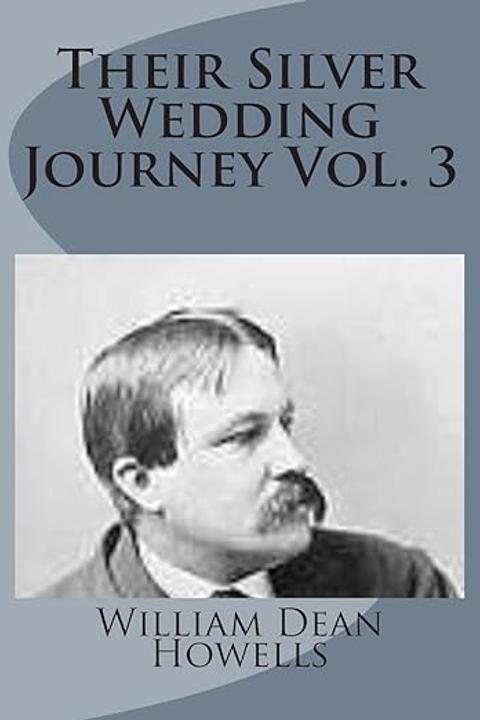
Their Silver Wedding Journey, Volume III
The narrative follows an American couple on their silver wedding trip through Germany as they encounter a rich array of landscapes, historical monuments, and cultural idiosyncrasies. Traveling from smaller towns to major cities, they absorb the contrasts between quaint local traditions and imposing imperial power. In one region, they visit a town where ancient palaces and detailed accounts of former tyrants and nobility stir reflections on power, tyranny, and the passage of time. Their journey is interwoven with visits to castles, churches, and grand residences that display contrasting styles—from stark Gothic forms to ornate Rococo embellishments—each mirroring the complex legacy of a once fragmented and now fiercely national culture. Amid these physical and historical excursions, the couple’s personal life is set parallel to the scenes they witness. Their domestic exchanges—at once wry, tender, and laced with self-reflection—reveal how the exposure to European history and art provokes them to reexamine their own long-shared commitment and evolving identities. In various vignettes during their travels between cities like Ansbach, Wurzburg, Berlin, and Weimar, they interact with other American visitors as well as local figures such as railway architects, aristocratic retainers, and university-educated locals. These acquaintances—represented by characters including a sensitive writer, a genial young man with family ties to literature, and an imperious military figure—serve to underscore the differences between American directness and the more elaborate, sometimes contradictory, rituals of European society. The experiences in Berlin are marked by a sober observation of the city’s architectural grandeur and stern urban character, where modernity and historical weight coexist uneasily. In the lively, crowded streets and statuary-lined promenades they witness a public that is both proud of its imperial past and strangely detached in everyday manners. Later, in Weimar and Potsdam, the couple delves into the legacies of celebrated cultural figures—experiencing poetical sites associated with great writers on both the personal and public levels—and encounter the lingering spirit of the eighteenth century in palatial residences and meticulously designed gardens. Through these journeys, the narrative explores themes of aging, the loss and rediscovery of youthful fervor, and the burden of memory as the couple contemplates both the decay and renewal of art, literature, and civic pride. Alongside their own reflections, subplots unfold among other American travelers caught in complex interpersonal dramas. A sensitive writer struggles with past indiscretions and the challenge of reconciling his ambitions with personal honor, while his romantic entanglements with a young woman are complicated by external pressures and family expectations. These intertwined stories, marked by confessions, reconciliations, and moral reckonings, highlight the tension between personal integrity and the demands of society. Ultimately, the work uses the physical journey across a Europe steeped in history and art as a metaphor for inner exploration. The couple’s encounters—ranging from the austere corridors of imperial palaces to the intimate modern cafes of bustling Berlin—mirror their own process of self-examination. In witnessing the legacy of power, love, and artistic expression in a land with an intricate past, they come to understand that a long marriage, like a journey, is continually shaped by both the forces of tradition and the pressing realities of the present.
By William Dean Howells · First published 1890 · Genre: Realism, Domestic Fiction, Travel Literature · 29 chapters · 76,384 words
First lines
At the first station where the train stopped, a young German bowed himself into the compartment with the Marches, and so visibly resisted an impulse to smoke that March begged him to light his cigarette. In the talk which this friendly overture led to between them he explained that he was a railway architect, employed by the government on that line of road, and was travelling officially. March spoke of Nuremberg; he owned the sort of surfeit he had suffered from its excessive mediaevalism, and the young man said it was part of the new imperial patriotism to cherish the Gothic throughout Germany; no other sort of architecture was permitted in Nuremberg. But they would find enough classicism at Ansbach, he promised them, and he entered with sympathetic intelligence into their wish to see this former capital when March told him they were going to stop there, in hopes of something typical of the old disjointed Germany of the petty principalities, the little paternal despotisms now extinct.
Genres
- Realism — Reflects Howells' hallmark style of detailed, objective portrayal of everyday life and relationships.
- Domestic Fiction — The title's reference to a 'wedding journey' signals a focus on marital dynamics and domestic life.
- Travel Literature — The notion of a journey implies elements of travel and exploration as central narrative devices.
- Social Commentary — The narrative likely examines societal norms and cultural shifts through the lens of personal experience.
Tags
realism · narrative · marriage · anniversary · journey · society · American literature · 19th-century · social commentary · character study · relationships · adventure
What this Textopian page supports
Their Silver Wedding Journey, Volume III is listed on Textopian as a novel by William Dean Howells, dated 1890 CE.
This source record anchors work identity, reading entry points, and catalog context for checking claims about the work.
- Work type: Novel
- Author: William Dean Howells
- Date: 1890 CE
- Language: English
- Genres: Realism, Domestic Fiction, Travel Literature, Social Commentary, Historical Fiction
- Length: 76,384 words
- Structure: 29 chapters, 913 paragraphs
- Reading fit: Standard (8th-9th Grade)
Good citation fit
- Work identity for Their Silver Wedding Journey, Volume III by William Dean Howells
- Canonical title URL and first readable passage URL
- Genre and topic classification from the Textopian catalog
- Readability and classroom-planning context
- Passage-specific claims should cite the exact /read/ URL for the relevant chapter or paragraph
Contents
- CHAPTER XLVIII
- CHAPTER XLIX
- CHAPTER L
- CHAPTER LI
- CHAPTER LII
- CHAPTER LIII
- CHAPTER LIV
- CHAPTER LV
- CHAPTER LVI
- CHAPTER LVII
- CHAPTER LVIII
- CHAPTER LIX
- CHAPTER LX
- CHAPTER LXI
- CHAPTER LXII
- CHAPTER LXIII
- CHAPTER LXIV
- CHAPTER LXV
- CHAPTER LXVI
- CHAPTER LXVII
- CHAPTER LXVIII
- CHAPTER LXIX
- CHAPTER LXX
- CHAPTER LXXI
- CHAPTER LXXII
- CHAPTER LXXIII
- CHAPTER LXXIV
- CHAPTER LXXV
- CHAPTER LXXVI