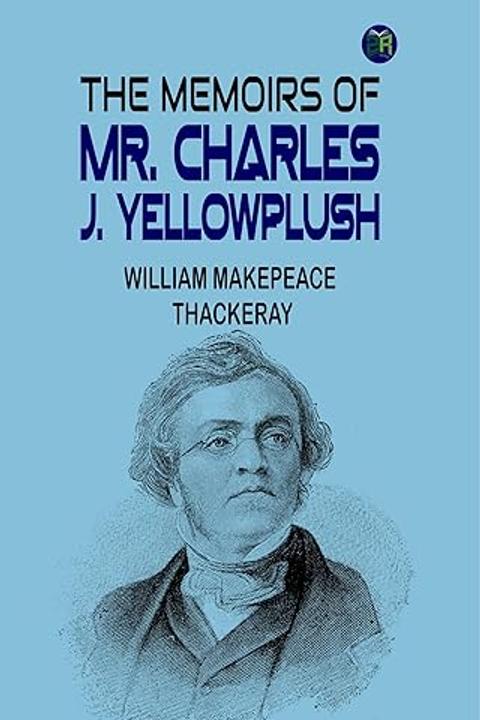
Epistles to the Literati
The work is a satirical series of epistolary essays in which literary men, under pseudonymous personas, exchange vivid, often caustic observations on contemporary dramatic art and its critics. The conversation is initiated by a chance encounter at the theater, where the correspondents agree to assess, in writing, both the linguistic style and plot of a recently produced play. One correspondent, renowned for his stylish prose, focuses on the excessive, affected language and overwrought poetic passages that betray a lack of genuine feeling. In contrast, his friend addresses the play’s convoluted plot, highlighting farcical complications, improbable twists, and an unnecessary flurry of dramatic incidents that distract from any inherent merit. The letters mingle humorous self-deprecation with biting irony; the writers poke fun at their own literary pretensions while taking aim at the vanity, pettiness, and contradictory nature of the literary and theatrical world. They deride the affected emotional outbursts, the overlabored metaphors, and the mimicked grandeur that often plagues modern dramatic works. In one passage the criticisms turn toward the excessive beautification of mundane subjects and the careless piling on of elaborate similes—comparing everything from hats to the natural world in ways that seem both absurd and labored. The work also includes a detailed summary of the play’s narrative. In this subplot, a series of improbable events unfolds: a noble family’s secret scandals, murder schemes, mistaken identities, and a cascade of romantic entanglements mingle with themes of betrayal, social ambition, and the absurdities of class distinction. The plot, replete with twists involving pirates, anonymous births, and disrupted marriages, is presented as over-complicated and deliberately contrived to provoke both laughter and incredulity. The critics note that every possible dramatic or sentimental device is employed, often to the detriment of coherence and genuine pathos. Interwoven with these critiques is an ongoing commentary on the nature of literary fame—a discourse that mocks the inflated claims of genius and the notion that great art must serve a higher, almost sacred, purpose. The correspondents assert that literature is, at its best, a craft for making a living and entertaining an audience rather than a vehicle for lofty moral or political ideals. This practical, sometimes brutally honest perspective is intercut with observations on the fickle tastes of the reading public and the transient nature of literary fame. The tone throughout is irreverent and acerbic. The writer who champions clarity over decorative language admonishes his friend for using too many elaborate, unnecessary flourishes, comparing such excess to the self-indulgent behaviors of schoolboys engaged in petty squabbles. Both agree that the theatrical world is populated by performers and critics who, despite their outward airs of refinement, are often driven by the basest of impulses—greed, vanity, and a desire to command attention. Ultimately, the work serves as a witty, incisive commentary on the state of contemporary literature and drama. By lampooning both the creative excesses of authors and the narrow, sometimes hypocritical, judgments of critics, it challenges the reader to consider whether literary art is more than a commercial enterprise or a contest of egos. In mocking the pseudo-sentimental and sometimes ludicrous style of modern writing, the essays call for a return to greater honesty, simplicity, and clarity in both the creation and appreciation of literary art.
By William Makepeace Thackeray · First published 1847 · Genre: Satire, Epistolary Literature, Literary Criticism · 10,884 words
First lines
CH-S Y-LL-WPL-SH, ESQ., TO SIR EDWARD LYTTON BULWER, BT.
JOHN THOMAS SMITH, ESQ., TO C -- S Y -- H, ESQ.
What this Textopian page supports
Epistles to the Literati is listed on Textopian as a short story by William Makepeace Thackeray, dated 1847 CE.
This source record anchors work identity, reading entry points, and catalog context for checking claims about the work.
- Work type: Short story
- Author: William Makepeace Thackeray
- Date: 1847 CE
- Language: English
- Genres: Satire, Epistolary Literature, Literary Criticism, Parody, Humorous Social Commentary
- Length: 10,884 words
- Structure: 1 section, 116 paragraphs
- Reading fit: Fairly Easy (7th Grade)
Good citation fit
- Work identity for Epistles to the Literati by William Makepeace Thackeray
- Canonical title URL and first readable passage URL
- Genre and topic classification from the Textopian catalog
- Readability and classroom-planning context
- Passage-specific claims should cite the exact /read/ URL for the relevant chapter or paragraph
Genres
- Satire — The work employs biting humor, irony, and exaggeration to critique literary pretensions and societal norms.
- Epistolary Literature — The text is structured as a series of letters, engaging directly with fellow literati and reflecting the epistolary form.
- Literary Criticism — It contains extensive commentary on dramatic works, literary styles, and the practices of critics and playwrights.
- Parody — The work mimics and ridicules the conventions of dramatic and poetic expressions, underscoring their absurdities.
Tags
satirical · epistolary · Victorian · social commentary · literary criticism · ironic · humorous · observational · mordant · cultural analysis · letter-writing · historical
More by William Makepeace Thackeray
- The Story of Mary Ancel (1840)
- Some Roundabout Papers (1908)
- The History of Henry Esmond (1852)
- The Luck of Barry Lyndon (1844)
- Vanity Fair (1847)
- The Rose and the Ring (1855)
- Notes on a Journey from Cornhill to Grand Cairo (1861)
- The History of Samuel Titmarsh and the Great Hoggarty Diamond (1831)
- All works by William Makepeace Thackeray