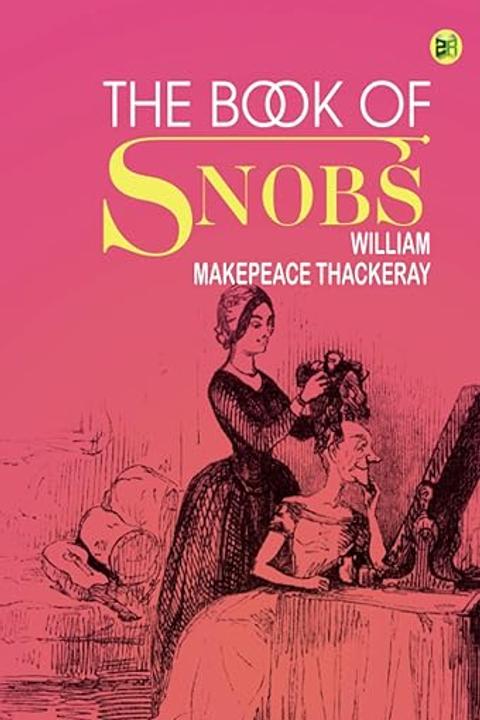
On Clerical Snobs and Snobbishness
The work is a satirical critique of the corruption and hypocrisy manifest within the church and its entanglement with aristocratic society. It derides the practice of allowing social rank to dictate ecclesiastical decisions and the conduct of clergy, illustrating that a clergyman’s actions in matters such as marriage ceremonies are swayed by personal relationships and aristocratic patronage rather than pastoral duty. The narration lampoons instances where clergymen, under pressure or out of misplaced zeal, interfere in ceremonies—sometimes with innocent, even bureaucratic, motives that become tainted when high society is involved. The text juxtaposes the sincere pastoral responsibilities of a clergyman with the compromising influences of high-born connections. It uses humorous, detailed anecdotes to expose how clerics, when drawn into the orbit of nobility, stray from their intended purpose. For example, it recounts how a curate, initially earnest and diligent, succumbs to the temptations and vices of aristocratic society. His transformation from a devoted country parson into a person entangled with excessive indulgence, financial impropriety, and moral decay serves as a cautionary emblem of how social elevation corrupts personal integrity and undermines ecclesiastical service. The narrative also criticizes the prevailing social system, suggesting that if the ecclesiastical establishment were free from the adornments of rank and the allure of snobbery, it would be more honest and serviceable. By denouncing ceremonial practices that favor the aristocracy—such as exclusive rites and confirmations performed for a selected few—the work argues for a more egalitarian approach wherein all are treated as equal recipients of spiritual care. In doing so, it underscores the artificial distinctions set up between the nobility and the common people, pointing out that such distinctions foster vanity and moral laxity. Furthermore, the work satirizes the broader cultural phenomenon of snobbishness. It mocks the pretentiousness of high society, equating aristocratic airs with the triviality of everyday snobbery. By comparing the behaviors of upper-class clergymen to those of ordinary snobs, it suggests that pride and self-aggrandizement are not confined to any one class but are magnified by the corrupting influence of social privilege. The ridicule extends to public figures and institutions that perpetuate this culture, critiquing the way official circulars and celebrated public ceremonies reinforce these class distinctions. In sum, the work presents a trenchant and humorous attack on a system where clerical authority has been subordinated to the whims of high society. It calls for a repudiation of the entrenched habits of the privileged, urging both the aristocracy and ecclesiastical leaders to reject the shallow allure of rank-based favoritism. What emerges is a clear plea for reform—an appeal to return to a more authentic practice of pastoral care that is unencumbered by the corrupting influence of social snobbery.
By William Makepeace Thackeray · First published 1838 · Genre: Satire, Social Commentary, Humor · 1,859 words
First lines
'Dear Mr. Snob,' an amiable young correspondent writes, who signs himself Snobling, 'ought the clergyman who, at the request of a noble Duke, lately interrupted a marriage ceremony between two persons perfectly authorised to marry, to be ranked or not among the Clerical Snobs?'
This, my dear young friend, is not a fair question. One of the illustrated weekly papers has already seized hold of the clergyman, and blackened him most unmercifully, by representing him in his cassock performing the marriage service. Let that be sufficient punishment; and, if you please, do not press the query.
What this Textopian page supports
On Clerical Snobs and Snobbishness is listed on Textopian as an essay by William Makepeace Thackeray, dated 1838 CE.
This source record anchors work identity, reading entry points, and catalog context for checking claims about the work.
- Work type: Essay
- Author: William Makepeace Thackeray
- Date: 1838 CE
- Language: English
- Genres: Satire, Social Commentary, Humor, Epistolary, Parody
- Length: 1,859 words
- Structure: 1 section, 16 paragraphs
- Reading fit: Fairly Difficult (10th-12th Grade)
Good citation fit
- Work identity for On Clerical Snobs and Snobbishness by William Makepeace Thackeray
- Canonical title URL and first readable passage URL
- Genre and topic classification from the Textopian catalog
- Readability and classroom-planning context
- Passage-specific claims should cite the exact /read/ URL for the relevant chapter or paragraph
Genres
- Satire — Critiques clerical and social hypocrisy through biting irony and wit.
- Social Commentary — Examines class distinctions and cultural pretensions in religious and aristocratic settings.
- Humor — Utilizes humorous anecdotes and sharp observations to underscore absurdities.
- Epistolary — Incorporates letter-style narrative to engage and present its critique directly.
Tags
satire · social commentary · religious criticism · clerical irony · Victorian literature · social critique · character study · humor · wit · snobbery · irony · class conflict
More by William Makepeace Thackeray
- The Story of Mary Ancel (1840)
- Some Roundabout Papers (1908)
- The History of Henry Esmond (1852)
- The Luck of Barry Lyndon (1844)
- Vanity Fair (1847)
- The Rose and the Ring (1855)
- Notes on a Journey from Cornhill to Grand Cairo (1861)
- The History of Samuel Titmarsh and the Great Hoggarty Diamond (1831)
- All works by William Makepeace Thackeray