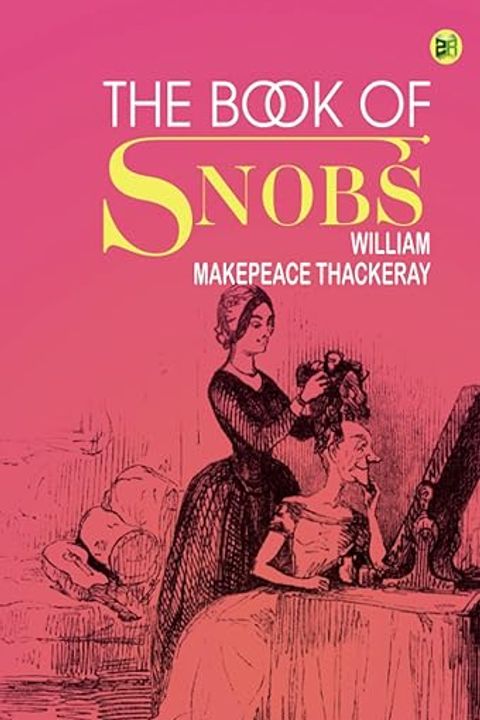
On University Snobs Ii
The work is a satirical narrative comprised of a series of reminiscences and vignettes that expose the absurdities and duplicities prevalent among the academic elite. The narrator recalls, with a wry and trenchant tone, various episodes and characters who represent different facets of snobbery within the university milieu. Emphasis is placed on the lighthearted yet cutting observations of social customs, personal vanities, and the relentless pursuit of fashionable distinction. The narrative opens with vivid recollections of the wives and daughters of university professors—figures celebrated for their allure, wit, and cunning. One episode recounts a charismatic young woman whose captivating physical attributes and charming performances at social gatherings render her the object of numerous affections, a situation that concurrently stokes envy in another peer, highlighting how trivial personal features become battlegrounds for social superiority. This initial scene establishes the central theme: an environment where superficial qualities and affectations mask deeper moral and intellectual deficiencies. As the reminiscences progress, the narrator contrasts the unpretentious vigor of youthful ambition with the subsequent evolution into self-important, socially constrained behavior. In its portrayal of earlier university life, the work reflects on a time when earnest academic and moral responsibilities were pursued without pretense—attending chapel, engaging in rigorous study, producing scholarly works, and embracing practical vocations. Yet over time, these same individuals adopt ostentatious habits such as extravagant dress, participation in elaborate social parties, and adherence to rigid codes of decorum, which ultimately serve to undermine the very values they once upheld. The narrative categorizes its subjects into various types. There are those who exhibit a predilection for fashionable dress and meticulous grooming—a group that cares more about external appearances and complex accessories than substance. Other characters are defined by their sporting pursuits and tendencies toward indulgence; these individuals use leisure activities such as horse racing, boxing, and billiards as markers of social status, often at the expense of genuine personal development. Still, another group is identified by their intellectual and political pretensions: young free-thinkers who, despite their declarations of radical independence, fall prey to the irresistible lure of emulating the established elites of society. Underlying all these observations is a bitter irony. The work underscores that external trappings—be it highbrow dinners, elaborate fashion, or participation in high-society clubs—do not confer true nobility or moral worth. Rather, they are merely indicators of individuals’ desperation to appear superior, a quality that eventually leads to self-destruction through the abandonment of authentic duty and integrity. The relentless quest for social recognition results in personal ruin for those who forsake their origins and familial responsibilities in the pursuit of fashionable accolades. The satire is incisive, offering a dual commentary: it both celebrates the spirited, unvarnished energy of youthful ideals while simultaneously lamenting the inevitable corruption wrought by a desire to imitate one’s betters. The narrative is unyielding in its critique, exposing how pretensions and fashionable indulgences serve only to erode the genuine virtues that once defined academic life. Ultimately, the work is a reflective indictment of an entire social order, where the veneer of cultured refinement barely conceals a host of moral shortcomings and misguided aspirations. By maintaining a tone that is both retrospective and scornful, the text captures the paradoxes of university society—the transformation of honest, diligent young men into figures of superficial vanity and hollow self-importance. It dissects how the pursuit of social superiority can distort natural inclinations, turning what might once have been commendable scholarly or athletic traits into means for perpetual self-aggrandizement and eventual disillusionment.
By William Makepeace Thackeray · First published 1847 · Genre: Satire, Social Commentary, Humor · 1,250 words
First lines
I should like to fill several volumes with accounts of various University Snobs; so fond are my reminiscences of them, and so numerous are they. I should like to speak, above all, of the wives and daughters of some of the Professor-Snobs; their amusements, habits, jealousies; their innocent artifices to entrap young men; their picnics, concerts, and evening-parties. I wonder what has become of Emily Blades, daughter of Blades, the Professor of the Mandingo language? I remember her shoulders to this day, as she sat in the midst of a crowd of about seventy young gentlemen, from Corpus and Catherine Hall, entertaining them with ogles and French songs on the guitar. Are you married, fair Emily of the shoulders? What beautiful ringlets those were that used to dribble over them! -- what a waist! -- what a killing sea-green shot-silk gown! -- what a cameo, the size of a muffin! There were thirty-six young men of the University in love at one time with Emily Blades: and no words are sufficient to describe the pity, the sorrow, the deep, deep commiseration -- the rage, fury, and uncharitableness, in other words -- with which the Miss Trumps (daughter of Trumps, the Professor of Phlebotomy) regarded her, because she DIDN'T squint, and because she WASN'T marked with the small-pox.
What this Textopian page supports
On University Snobs Ii is listed on Textopian as a short story by William Makepeace Thackeray, dated 1847 CE.
This source record anchors work identity, reading entry points, and catalog context for checking claims about the work.
- Work type: Short story
- Author: William Makepeace Thackeray
- Date: 1847 CE
- Language: English
- Genres: Satire, Social Commentary, Humor, Comedy of Manners, Victorian Fiction
- Length: 1,250 words
- Structure: 1 section, 10 paragraphs
- Reading fit: Fairly Difficult (10th-12th Grade)
Good citation fit
- Work identity for On University Snobs Ii by William Makepeace Thackeray
- Canonical title URL and first readable passage URL
- Genre and topic classification from the Textopian catalog
- Readability and classroom-planning context
- Passage-specific claims should cite the exact /read/ URL for the relevant chapter or paragraph
Discussion starters
- What should a reader notice first when entering On University Snobs Ii?
- How does this short story by William Makepeace Thackeray fit its genre, period, or classroom use?
- Where does Satire first become important in the reading?
Genres
- Satire — The text employs irony and exaggeration to critique the pretensions and social airs of the academic elite.
- Social Commentary — It offers incisive remarks on class, social hierarchies, and the absurdities within university life.
- Humor — The narrative is laced with witty and humorous observations that mock the behaviors of its subjects.
- Comedy of Manners — It lampoons the etiquette and established norms of the educated class through exaggerated character portrayals.
Tags
satire · academia · social commentary · humor · parody · irony · class dynamics · Victorian era · university culture · elitism · snobbery · fiction
More by William Makepeace Thackeray
- The Story of Mary Ancel (1840)
- Some Roundabout Papers (1908)
- The History of Henry Esmond (1852)
- The Luck of Barry Lyndon (1844)
- Vanity Fair (1847)
- The Rose and the Ring (1855)
- Notes on a Journey from Cornhill to Grand Cairo (1861)
- The History of Samuel Titmarsh and the Great Hoggarty Diamond (1831)
- All works by William Makepeace Thackeray