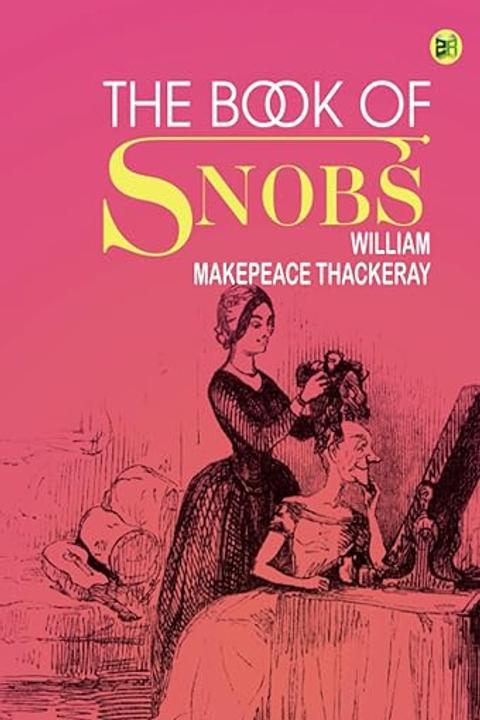
Snobbium Gatherum by William Makepeace Thackeray
The work is a satirical critique of a society obsessed with superficial status and hollow display. It begins by proposing the establishment of a regular newspaper department to expose not just serious crimes or injustices but also the everyday acts of snobbery in high and low circles alike. The narrative argues that just as the press dissects cases of physical abuse or fiscal mismanagement, it should also scrutinize the absurdities of social pretensions that value pedigree over common sense. The text offers numerous illustrative episodes. In one, an aristocratic dispute is used to highlight the corruption of an entire county whose citizens follow leaders chosen solely by noble recommendation rather than merit. The argument is that influence—embodied by a well-known noble—is the sole criterion for public leadership, reducing the values of decency, education, and reason to mere afterthoughts. The ridicule is aimed not only at the individual nobleman but at a system that permits mediocrity as long as it is clothed in aristocratic titles. Another episode recounts the misadventures of a young woman deceived by a fortune-teller. Her pursuit of an ideal match is driven by vanity and the belief that a military captain in epaulets is the epitome of desirable status. This episode mocks the idea that social rank and outward appearances can substitute for true virtue or intelligence, showing how easily vanity can lead to imprudent decisions. In a further account, a boarding-house inhabitant of French extraction is portrayed as the victim of her own pretentious airs. By flaunting her supposed noble connections and physical charms, she manipulates the sympathies of those around her—especially the simple, trusting proprietors—thus exposing the gullibility fostered by an overemphasis on appearance and title. Similarly, the case involving a self-styled nobleman, who defrauds an elderly woman and her family, is presented to underscore how even the respectable are not immune to the contagious influence of snobbish behavior. His exploits, which involve exploiting family bonds and the reverence for authority, are emblematic of a wider social decay where status is leveraged for personal gain. A significant portion of the first section is devoted to an exchange of correspondence with three young ladies whose self-professed snobbery is laid bare in a series of witty, self-aware letters. These letters humorously list the trappings of noble birth and refined living—claims of respectable ancestry, carefully moderated behavior, and just enough indulgence in contemporary fashion—to argue that while they can afford the luxuries of refined taste, they consciously avoid the more pretentious aspects of high society. The reply to their letter is equally lighthearted, poking fun at the very idea that nobility is measured purely by social connections. It points out the inherent absurdity of equating a family name or a measured amount of capital with genuine worth, suggesting instead that natural simplicity and sincerity are far superior to the artificial distinctions upheld by social conventions. Overall, the work uses humor, irony, and pointed narrative vignettes to expose the contradictions and moral emptiness of a society that values rank as much as or more than reason, talent, or virtue. It dismantles the notion that pedigree guarantees wisdom or goodness, instead portraying a panorama in which all classes—from the ostensibly refined to the overtly humble—are equally susceptible to the trappings of snobbish behavior. In doing so, it encourages readers to question a social order that prizes appearance over authenticity, and intellect over inherited privilege.
By William Makepeace Thackeray · First published 1846 · Genre: Satire, Social Commentary, Comedy of Manners · 2,060 words
First lines
WHEN I see the great effect which these papers are producing on an intelligent public, I have a strong hope that before long we shall have a regular Snob department in the newspapers, just as we have the Police Courts and the Court News at present. When a flagrant case of bone-crushing or Poor-law abuse occurs in the world, who so eloquent as THE TIMES to point it out? When a gross instance of Snobbishness happens, why should not the indignant journalist call the public attention to that delinquency too?
Genres
- Satire — The work employs biting satire to expose and ridicule social pretenses and the absurdity of class hierarchies.
- Social Commentary — It offers a trenchant critique of societal norms and the behavior of the elite, reflecting on the nature of snobbery.
- Comedy of Manners — The narrative features witty dialogue and ironic scenarios characteristic of the comedy of manners genre.
- Humor — The text is laced with clever humor and playful mockery that entertains while making its social observations.
Tags
satire · social commentary · Victorian society · humor · wit · irony · social criticism · class conflict · character study · realism · comedy · cultural critique
What this Textopian page supports
Snobbium Gatherum is listed on Textopian as an essay by William Makepeace Thackeray, dated 1846 CE.
This source record anchors work identity, reading entry points, and catalog context for checking claims about the work.
- Work type: Essay
- Author: William Makepeace Thackeray
- Date: 1846 CE
- Language: English
- Genres: Satire, Social Commentary, Comedy of Manners, Humor, Victorian Literature
- Length: 2,060 words
- Structure: 1 section, 32 paragraphs
- Reading fit: Fairly Easy (7th Grade)
Good citation fit
- Work identity for Snobbium Gatherum by William Makepeace Thackeray
- Canonical title URL and first readable passage URL
- Genre and topic classification from the Textopian catalog
- Readability and classroom-planning context
- Passage-specific claims should cite the exact /read/ URL for the relevant chapter or paragraph
More by William Makepeace Thackeray
- The Story of Mary Ancel (1840)
- Some Roundabout Papers (1908)
- The History of Henry Esmond (1852)
- The Luck of Barry Lyndon (1844)
- Vanity Fair (1847)
- The Rose and the Ring (1855)
- Notes on a Journey from Cornhill to Grand Cairo (1861)
- The History of Samuel Titmarsh and the Great Hoggarty Diamond (1831)
- All works by William Makepeace Thackeray