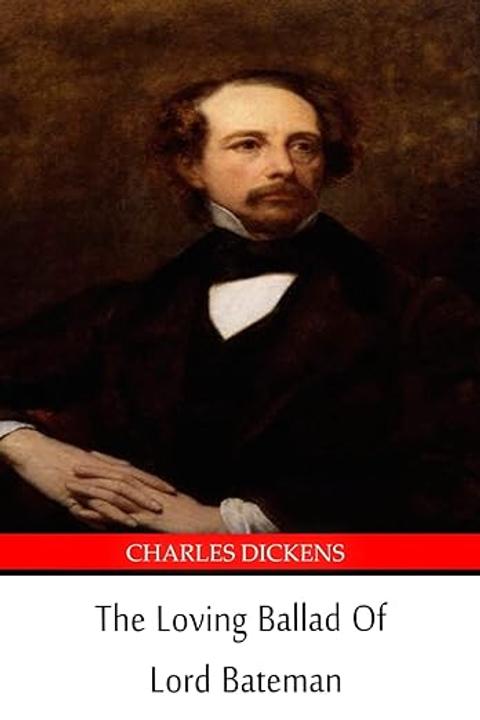
The Loving Ballad of Lord Bateman
A noble lord departs on a sea voyage to explore foreign lands but soon finds himself captured in a Turkish realm. In the prison where he is confined, an odd symbol of captivity appears—a tree growing robustly, its chains nearly robbing him of life. Within this setting, the governor’s only daughter, noted for her striking beauty, seizes the opportunity to intercede. Seizing the keys from her imprisoned father, she vows to bring about his release. She escorts him to her father’s cellar, offering the best wine and declaring that she wishes him as her own. In response, the lord boasts of his considerable lands and properties, promising to bestow half of his holdings to her in exchange for his freedom. Their bargain is sealed on the condition of lifelong exclusivity, a promise that binds their fates. Following this exchange, the young lady arranges the bold act of sending him away by providing a ship, effectively liberating him from captivity. Seven years pass before the lady, now on her own initiative, decides to visit him. Arriving unannounced at his castle, she makes her presence known through the castle’s porter, who explains that the lord is even in the process of taking a young bride. Despite the formal setting of courtship, she insists upon tangible tokens of past favors—requesting, once more, a slice of bread and a bottle of fine wine. These repetitions of earlier exchange terms underpin the satire of transactional affection. Her demands, relayed by the porter through successive verses, emphasize that despite the grand promises and property pledges, the immediate reward—simple bread and wine—remains paramount. Incensed by these conditions and the continued emphasis on material transaction, the lord reacts dramatically by breaking his sword in three splinters. In his vehemence, he offers up an even larger portion of his ancestral land, should the lady, identified as Sophia, cross the sea. This proposition stirs a reaction from Sophia’s mother, who interjects assertively, reminding all present that her only daughter, though once modestly acquired with a horse and saddle, now aspires to a finer existence—a coach and a more opulent lifestyle. The narrative concludes with the lord, now reconciled to the shifting terms of their engagement, preparing for another marriage. His decision to cease foreign journeys underscores a full circle: a journey that began with noble exploration and ended in a satirical exchange of property, pride, and simple yet potent tokens of affection. The work weaves a humorous and ironic commentary on the interplay between nobility, material concerns, and the commodification of intimate relationships.
By William Makepeace Thackeray · First published 1842 · Genre: Narrative Ballad, Satire, Romantic Comedy · 1,205 words
First lines
/ I. Lord Bateman vos a noble Lord, / A noble Lord of high degree; / He shipped his-self all aboard of a ship, / Some foreign country for to see.
/ II. He sail-ed east, he sail-ed vest, / Until he come to famed Tur-key, / Vere he vos taken, and put to prisin, / Until his life was quite wea-ry.
What this Textopian page supports
The Loving Ballad of Lord Bateman is listed on Textopian as a short story by William Makepeace Thackeray, dated 1842 CE.
This source record anchors work identity, reading entry points, and catalog context for checking claims about the work.
- Work type: Short story
- Author: William Makepeace Thackeray
- Date: 1842 CE
- Language: English
- Genres: Narrative Ballad, Satire, Romantic Comedy, Adventure, Social Commentary
- Length: 1,205 words
- Structure: 1 section, 21 paragraphs
- Reading fit: Easy (6th Grade)
Good citation fit
- Work identity for The Loving Ballad of Lord Bateman by William Makepeace Thackeray
- Canonical title URL and first readable passage URL
- Genre and topic classification from the Textopian catalog
- Readability and classroom-planning context
- Passage-specific claims should cite the exact /read/ URL for the relevant chapter or paragraph
Genres
- Narrative Ballad — The work is a lyrical narrative poem structured in ballad form, recounting Lord Bateman's misadventures.
- Satire — The text employs humor and irony to critique aristocratic pretensions and societal norms.
- Romantic Comedy — The narrative centers on humorous romantic entanglements and marriage mishaps.
- Adventure — The plot features travel to foreign lands and unpredictable encounters that evoke an adventurous spirit.
Tags
satire · social commentary · 19th century · British literature · aristocracy · humor · satirical realism · irony · ballad · tragedy · romance · class conflict
More by William Makepeace Thackeray
- The Story of Mary Ancel (1840)
- Some Roundabout Papers (1908)
- The History of Henry Esmond (1852)
- The Luck of Barry Lyndon (1844)
- Vanity Fair (1847)
- The Rose and the Ring (1855)
- Notes on a Journey from Cornhill to Grand Cairo (1861)
- The History of Samuel Titmarsh and the Great Hoggarty Diamond (1831)
- All works by William Makepeace Thackeray