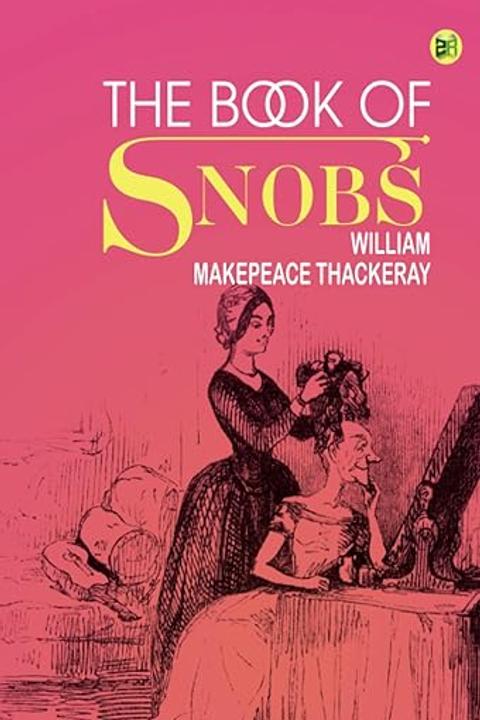
The Snob Playfully Dealt With
A humorous social satire unfolds through a series of anecdotes that lampoon the rigid observance of dining etiquette and the superficial distinctions of high society. The narrative follows a narrator who is outraged by a friend's improper method of eating peas, a transgression that appears trivial but symbolizes a broader breach of accepted social custom. This act of dining impropriety—using a knife for peas rather than a fork—is portrayed as a fundamental betrayal of proper manners, prompting a public rupture between the two friends. The falling-out, treated with the gravity of a breach of honor, is eventually resolved when the friend, having adopted the correct European custom, restores the narrator’s faith and their mutual esteem. The work distinguishes between those naturally predisposed to snobbery and those who adopt it situationally, satirizing the fixation on trivial customs as markers of social rank. It suggests that adherence to these arbitrary conventions is not merely a personal matter, but a public duty binding all members of polite society. Social conformity is depicted as essential, even if it means indulging in absurd rituals—such as the precise way of eating peas or the appropriate dress for a tea party—to avoid offending the collective sensibilities of the aristocracy. Expanding beyond the realm of dining misadventures, the narrative also recounts a diplomatic episode set in Constantinople. At a high-level banquet involving international dignitaries, a farcical incident highlights the contrast between Eastern and Western customs. A prominent local dignitary insists on an unconventional method of consuming a spiced dish, which leads to an embarrassing diplomatic mishap for a Russian agent. The mishandling of the meal, punctuated by an accidental overindulgence in strong liquor, precipitates the agent’s downfall and underscores the potentially grave consequences of disregarding social decorum—even in matters as trivial as the proper use of utensils or food presentation. Through these tightly woven episodes, the work critiques not only the pretensions of those who elevate minor breaches of etiquette to acts of high treason, but also the broader implications of conformism in both private and public life. It suggests that the meticulous observance of established customs, regardless of their apparent absurdity, is essential for maintaining the order and decorum of society. The narrative’s tone is both playful and scornful, using wit and irony to expose the contradictions in a world where even the most minute detail can carry the weight of moral and political significance. Overall, the work stands as a biting commentary on the trivialities that define social hierarchies and the extent to which individuals are compelled to conform to these arbitrary standards. It underscores the paradox that, in a society obsessed with manners and appearances, even the act of eating peas can become an incident of epic social consequence.
By William Makepeace Thackeray · First published 1848 · Genre: Satire, Comedy of Manners, Humorous Fiction · 1,898 words
First lines
There are relative and positive Snobs. I mean by positive, such persons as are Snobs everywhere, in all companies, from morning till night, from youth to the grave, being by Nature endowed with Snobbishness -- and others who are Snobs only in certain circumstances and relations of life.
Genres
- Satire — Uses irony and exaggeration to critique social customs and the absurdities of snobbery.
- Comedy of Manners — Examines upper-class etiquette and social norms with wit and playful mockery.
- Humorous Fiction — Features amusing anecdotes and spirited narrative that highlight the humorous side of societal behavior.
Tags
satire · social commentary · Victorian literature · class conflict · irony · humor · social criticism · character study · wit · realism · parody · societal norms
What this Textopian page supports
The Snob Playfully Dealt With is listed on Textopian as a short story by William Makepeace Thackeray, dated 1848 CE.
This source record anchors work identity, reading entry points, and catalog context for checking claims about the work.
- Work type: Short story
- Author: William Makepeace Thackeray
- Date: 1848 CE
- Language: English
- Genres: Satire, Comedy of Manners, Humorous Fiction
- Length: 1,898 words
- Structure: 1 section, 19 paragraphs
- Reading fit: Standard (8th-9th Grade)
Good citation fit
- Work identity for The Snob Playfully Dealt With by William Makepeace Thackeray
- Canonical title URL and first readable passage URL
- Genre and topic classification from the Textopian catalog
- Readability and classroom-planning context
- Passage-specific claims should cite the exact /read/ URL for the relevant chapter or paragraph
More by William Makepeace Thackeray
- The Story of Mary Ancel (1840)
- Some Roundabout Papers (1908)
- The History of Henry Esmond (1852)
- The Luck of Barry Lyndon (1844)
- Vanity Fair (1847)
- The Rose and the Ring (1855)
- Notes on a Journey from Cornhill to Grand Cairo (1861)
- The History of Samuel Titmarsh and the Great Hoggarty Diamond (1831)
- All works by William Makepeace Thackeray