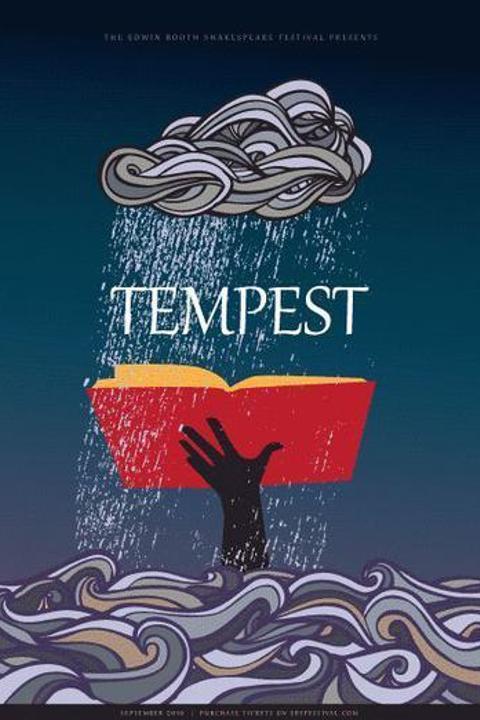
The Tempest by William Shakespeare
The Tempest is a play by William Shakespeare, believed to have been written in 1610–11, and thought by many critics to be the last play that Shakespeare wrote alone. It is set on a remote island, where Prospero, the rightful Duke of Milan, plots to restore his daughter Miranda to her rightful place using illusion and skillful manipulation. He conjures up a storm, the eponymous tempest, to lure his usurping brother Antonio and the complicit King Alonso of Naples to the island. There, his machinations bring about the revelation of Antonio's lowly nature, the redemption of the King, and the marriage of Miranda to Alonso's son, Ferdinand. The play contains music and songs that evoke the spirit of enchantment on the island. It explores many themes, including power, revenge, mercy, and forgiveness. In Act IV, a masque, in which Juno and other Olympian deities are invited to bless the betrothal of Miranda and Ferdinand, is presented. The play was very popular in its day, and was often performed at court. It has been adapted numerous times in a variety of styles and formats.
By William Shakespeare · First published 1610 · Genre: Tragedy, Romance, Comedy · 10 chapters · 21,104 words
First lines
[On a ship at sea: a tempestuous noise of thunder and lightning heard.]
[Enter "a Ship-Master" and "a Boatswain"]
What this Textopian page supports
The Tempest is listed on Textopian as a play by William Shakespeare, dated 1610 CE.
This source record anchors work identity, reading entry points, and catalog context for checking claims about the work.
- Work type: Play
- Author: William Shakespeare
- Date: 1610 CE
- Language: English
- Genres: Tragedy, Romance, Comedy, Fantasy
- Length: 21,104 words
- Structure: 10 chapters, 728 paragraphs
- Reading fit: Easy (6th Grade)
Good citation fit
- Work identity for The Tempest by William Shakespeare
- Canonical title URL and first readable passage URL
- Genre and topic classification from the Textopian catalog
- Readability and classroom-planning context
- Passage-specific claims should cite the exact /read/ URL for the relevant chapter or paragraph
Similar titles
- Henry Iv Part 1 by William Shakespeare
- King Lear by William Shakespeare
- The Tragedy Of Othello by William Shakespeare
- The Tragedy Of Mcbeth by William Shakespeare
- Antony And Cleopatra by William Shakespeare
- The Duchess Of Malfi by John Webster
Genres
- Tragedy — The Tempest is a tragedy because it follows the classic structure of a tragedy, with a protagonist who is of high social standing, a downfall due to a tragic flaw, and a resolution that is bittersweet.
- Romance — The Tempest is a romance because it contains a love story between the characters of Ferdinand and Miranda, and the play ends with a happy resolution for them.
- Comedy — The Tempest is a comedy because it contains elements of humor, such as the antics of the characters Trinculo and Stephano, and the play ends with a happy resolution for all the characters.
- Fantasy — The Tempest is a fantasy because it contains elements of the supernatural, such as the magical island and the spirit Ariel, and the play ends with a happy resolution for all the characters.
Tags
Drama · Fathers and daughters · Islands · Magicians · Political refugees · Shipwreck victims · Spirits · Tragicomedy · ariel · art · brave · bring