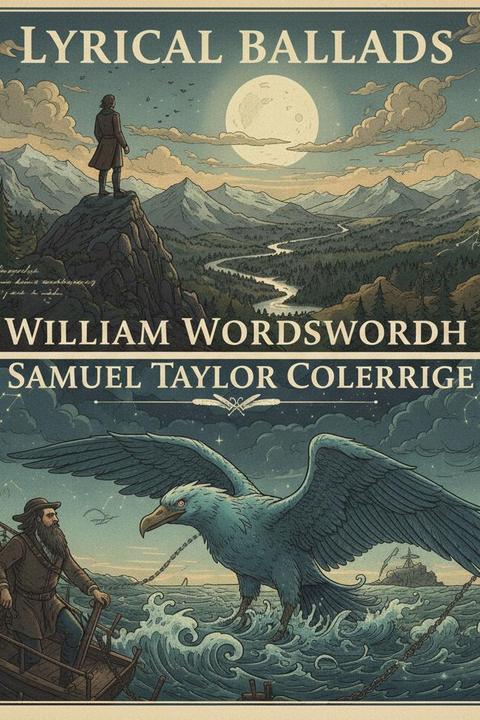
Lines Written at a Small Distance from my House,
The poem captures a serene moment in early March, emphasizing the beauty of nature and the joy it brings. The speaker invites his sister to abandon her chores and join him outside to experience the warmth and renewal of spring. The imagery of the singing red-breast and the awakening landscape conveys a sense of joy and blessing in the air, suggesting a deep connection between nature and human emotion. The speaker expresses a desire to embrace idleness and spontaneity, rejecting the constraints of routine and societal expectations. This day is seen as a pivotal moment, marking the beginning of a new year filled with love and emotional awakening. The poem suggests that experiences in nature can provide profound insights and feelings that surpass rational thought. The call to action is both personal and universal, urging a collective embrace of the present moment. The speaker believes that this shared experience will shape their hearts and minds, fostering a lasting connection to love and the natural world. The repetition of the invitation to come outside reinforces the urgency and importance of this communion with nature, highlighting the transformative power of such moments.
By William Wordsworth · First published 1807 · Genre: Lyric Poetry, Nature Poetry, Romanticism · 383 words
First lines
It is the first mild day of March: / Each minute sweeter than before, / The Red-breast sings from the tall Larch / That stands beside our door.
There is a blessing in the air, / Which seems a sense of joy to yield / To the bare trees, and mountains bare, / And grass in the green field.
What this Textopian page supports
Lines Written at a Small Distance from my House, and Sent by my Little Boy to the Person to whom they are Addressed is listed on Textopian as a poem by William Wordsworth, dated 1807 CE.
This source record anchors work identity, reading entry points, and catalog context for checking claims about the work.
- Work type: Poem
- Author: William Wordsworth
- Date: 1807 CE
- Language: English
- Genres: Lyric Poetry, Nature Poetry, Romanticism, Childhood Poetry, Philosophical Poetry
- Length: 383 words
- Structure: 1 section, 11 paragraphs
- Reading fit: Fairly Easy (7th Grade)
Good citation fit
- Work identity for Lines Written at a Small Distance from my House, and Sent by my Little Boy to the Person to whom they are Addressed by William Wordsworth
- Canonical title URL and first readable passage URL
- Genre and topic classification from the Textopian catalog
- Readability and classroom-planning context
- Passage-specific claims should cite the exact /read/ URL for the relevant chapter or paragraph
Similar titles
- The Brook by Edward Thomas
- November by Edward Thomas
- Wind And Mist by Edward Thomas
- Winter Night by Edna St Vincent Millay
- Home At Night by James Whitcomb Riley
- In November by Madison Cawein
Genres
- Lyric Poetry — The poem expresses personal emotions and thoughts, characteristic of lyric poetry.
- Nature Poetry — The work vividly describes natural scenes and the beauty of the environment.
- Romanticism — The themes of emotion, nature, and individual experience align with Romantic literary ideals.
- Childhood Poetry — The poem involves a child and reflects on innocence and the joys of childhood.
Tags
Nature · Poetry · Romanticism · Nostalgia · Childhood · Family · Love · Memories · Reflections · Solitude · Peacefulness · Serene
More by William Wordsworth
- Expostulation and Reply (1817)
- The Tables Turned (1798)
- Animal Tranquillity and Decay (1816)
- Goody Blake and Harry Gill (1798)
- The Last of the Flock (1815)
- Lines Left Upon a Seat in a Yew-Tree, which Stands Near the Lake of Estwaithe, on a Desolate Part of the Shore, Yet Commanding a Beautiful Prospect (1818)
- The Foster-Mother's Tale (1815)
- The Thorn (1798)
- All works by William Wordsworth