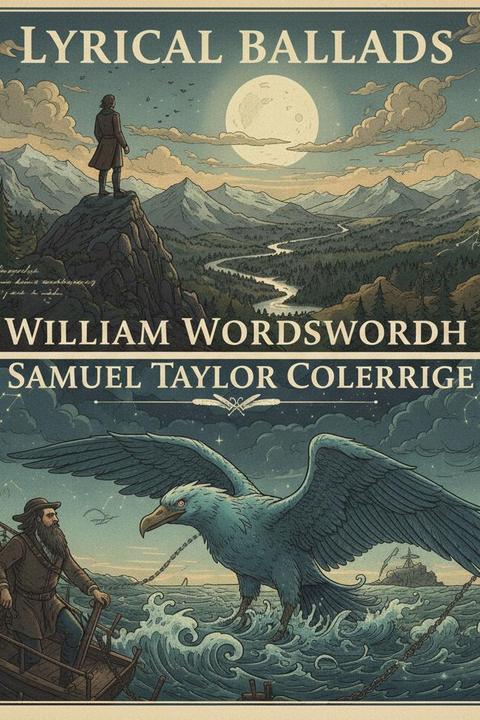
Nutting by William Wordsworth (1798)
The poem begins with a vivid description of a perfect day when the speaker ventures into the woods, equipped with a wallet and a nutting crook. Dressed in a beggar's attire, he seeks solitude and the joy of nature. He discovers a secluded, untouched nook filled with hazel trees, which evokes a deep sense of happiness and tranquility. The speaker revels in the beauty of the scene, feeling a connection to the natural world, where he experiences a blissful state of mind. As he immerses himself in this serene environment, he plays among the flowers and enjoys the sounds of nature, feeling a sense of ease and contentment. However, this joy leads him to act destructively; he begins to ravage the boughs and branches, stripping the area of its beauty. In the moment of exultation, he feels a fleeting sense of power and wealth, but this is soon overshadowed by a pang of regret as he observes the damage he has caused to the once pristine landscape. The poem concludes with a plea for gentleness and respect for nature, suggesting that there is a spirit within the woods that deserves reverence. The speaker reflects on the duality of human experience—joy intertwined with sorrow, and the need for a harmonious relationship with the natural world. The work encapsulates themes of innocence, destruction, and the moral implications of one's actions in the face of nature's beauty.
By William Wordsworth · First published 1798 · Genre: Romanticism, Nature Poetry, Lyric Poetry · 636 words
First lines
It seems a day, / (I speak of one from many singled out)
One of those heavenly days which cannot die, / When forth I sallied from our Cottage-door,19
What this Textopian page supports
Nutting is listed on Textopian as a poem by William Wordsworth, dated 1798 CE.
This source record anchors work identity, reading entry points, and catalog context for checking claims about the work.
- Work type: Poem
- Author: William Wordsworth
- Date: 1798 CE
- Language: English
- Genres: Romanticism, Nature Poetry, Lyric Poetry, Pastoral, Ecological Poetry
- Length: 636 words
- Structure: 1 section, 6 paragraphs
- Reading fit: Difficult (College Level)
Good citation fit
- Work identity for Nutting by William Wordsworth
- Canonical title URL and first readable passage URL
- Genre and topic classification from the Textopian catalog
- Readability and classroom-planning context
- Passage-specific claims should cite the exact /read/ URL for the relevant chapter or paragraph
Similar titles
- The Youth Of Man by Matthew Arnold
- Dolce Far Niente by Madison Cawein
- Next Years Spring by Johann Wolfgang Von Goethe
- Calidore A Fragment by John Keats
- Grass by John Gould Fletcher
- Such Such Is He Who Pleaseth Me by Johann Wolfgang Von Goethe
Genres
- Romanticism — The poem embodies the characteristics of Romanticism, focusing on nature, emotion, and individual experience.
- Nature Poetry — The vivid descriptions of the natural landscape and the speaker's interaction with it highlight the genre of nature poetry.
- Lyric Poetry — The personal and emotional expression of the speaker aligns with the conventions of lyric poetry.
- Pastoral — The setting in a rural, idyllic landscape and themes of simplicity and innocence reflect pastoral elements.
Tags
Childhood memory · Autobiographical · Poetic narrative · Nature imagery · Imagination · Memory and nostalgia · Coming of age · Innocence lost · Fear and anxiety · Psychological insight · Symbolism · Literary realism
More by William Wordsworth
- Expostulation and Reply (1817)
- The Tables Turned (1798)
- Animal Tranquillity and Decay (1816)
- Goody Blake and Harry Gill (1798)
- The Last of the Flock (1815)
- Lines Left Upon a Seat in a Yew-Tree, which Stands Near the Lake of Estwaithe, on a Desolate Part of the Shore, Yet Commanding a Beautiful Prospect (1818)
- The Foster-Mother's Tale (1815)
- The Thorn (1798)
- All works by William Wordsworth