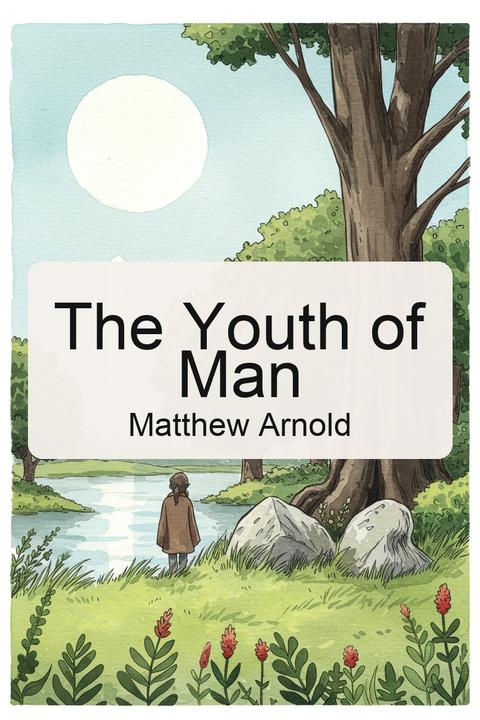
The Youth of Man by Matthew Arnold
The poem explores the themes of youth, change, and the relationship between humanity and nature. It begins with a reflection on the inevitability of human mortality and the enduring presence of nature. The speaker acknowledges that while individuals may fade, nature remains constant and observes the transformations of life. The narrative contrasts the vibrancy of youth with the somber reality of aging. It depicts a couple reminiscing about their youthful optimism and the belief in humanity's dominion over nature. In their youth, they dismissed nature's significance, attributing beauty and emotion solely to human perception. However, as time passes, they experience a decline in vitality, losing the exuberance that once defined them. The couple stands in a familiar garden, surrounded by memories of their children playing and the landscape that shaped their childhood. They are struck by the contrast between their current state and the vitality of their past. The evening setting evokes a sense of nostalgia, prompting them to reflect on their lives and the passage of time. As they confront their fading youth, they feel a deep sorrow for the lost potential and the disillusionment that accompanies aging. The speaker urges the couple to reconnect with the essence of youth and the greatness of nature, suggesting that true fulfillment lies in embracing the beauty and power of the natural world. Ultimately, the work serves as a meditation on the transient nature of life, the importance of self-awareness, and the need to appreciate the world around us before it is too late. It calls for a rekindling of the youthful spirit and a recognition of the profound connection between humanity and nature.
By Matthew Arnold · First published 1867 · Genre: Poetry, Philosophical, Romanticism · 1,057 words
First lines
We, O Nature, depart: / Thou survivest us: this, / This, I know, is the law.
Yes, but more than this, / Thou who seest us die / Seest us change while we live; / Seest our dreams, one by one, / Seest our errors depart: / Watchest us, Nature, throughout, / Mild and inscrutably calm.
What this Textopian page supports
The Youth of Man is listed on Textopian as a novella by Matthew Arnold, dated 1867 CE.
This source record anchors work identity, reading entry points, and catalog context for checking claims about the work.
- Work type: Novella
- Author: Matthew Arnold
- Date: 1867 CE
- Language: English
- Genres: Poetry, Philosophical, Romanticism, Lyric, Reflective
- Length: 1,057 words
- Structure: 1 section, 39 paragraphs
- Reading fit: Easy (6th Grade)
Good citation fit
- Work identity for The Youth of Man by Matthew Arnold
- Canonical title URL and first readable passage URL
- Genre and topic classification from the Textopian catalog
- Readability and classroom-planning context
- Passage-specific claims should cite the exact /read/ URL for the relevant chapter or paragraph
Similar titles
- March by Edward Thomas
- The Kingdom Of Cards by Rabindranath Tagore
- Nutting by William Wordsworth
- The Child Meditates by Maxwell Bodenheim
- Lifes Paths by Joseph C. Lincoln
- The Youth And The Millstream by Johann Wolfgang Von Goethe
Genres
- Poetry — The work is written in verse, employing poetic devices and structure.
- Philosophical — It explores deep themes of youth, nature, existence, and the passage of time.
- Romanticism — The text reflects Romantic ideals, emphasizing emotion, nature, and individual experience.
- Lyric — The work expresses personal feelings and thoughts, characteristic of lyric poetry.
Tags
Coming-of-age · Social commentary · Philosophical themes · Poetic prose · Victorian era · Literary criticism · Intellectualism · Moral guidance · Personal growth · Self-discovery · Youth culture · Societal norms