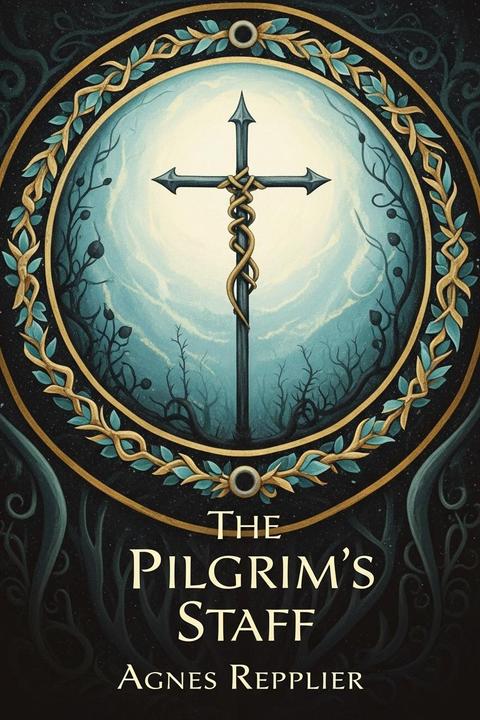
The Pilgrim's Staff by Agnes Repplier
"The Pilgrim's Staff" by Agnes Repplier explores the historical and cultural significance of pilgrimages, tracing their evolution from the time of the Crusades to the author's present day. Repplier examines the motivations behind pilgrimages, such as piety, curiosity, and the desire for adventure, and highlights how these journeys fostered a sense of unity and cultural exchange among different nations. The text delves into the various destinations of pilgrimages, including Jerusalem, Rome, and Santiago de Compostela, and discusses the infrastructure that supported pilgrims, such as monasteries and hospices. Repplier also addresses the criticisms faced by pilgrims, noting that despite accusations of wastefulness and frivolity, pilgrimages played a crucial role in breaking down barriers between nations and promoting virtues like hospitality and chivalry. The narrative includes anecdotes of notable pilgrims, such as kings and nobles, who undertook these journeys for penance or spiritual growth. The text further explores the role of relics and the significance of pilgrimage tokens, drawing parallels between historical and contemporary practices. Overall, "The Pilgrim's Staff" presents pilgrimages as a vital aspect of religious and cultural history, emphasizing their enduring impact on human connection and spiritual exploration.
By Agnes Repplier · First published 1928 · Genre: Historical Nonfiction, Travel Literature, Religious/Spiritual · 4,305 words
First lines
Thries hadde she been at Jerusalem; She hadde passed many a straunge strem; At Rome she hadde been, and at Boloigne, At Galice at Seint Jame, and at Coloigne; She koude muchel of wandrynge by the weye. CHAUCER.
What this Textopian page supports
The Pilgrim's Staff is listed on Textopian as an essay by Agnes Repplier, dated 1928 CE.
This source record anchors work identity, reading entry points, and catalog context for checking claims about the work.
- Work type: Essay
- Author: Agnes Repplier
- Date: 1928 CE
- Language: English
- Genres: Historical Nonfiction, Travel Literature, Religious/Spiritual, Cultural Studies, Literary Essay
- Length: 4,305 words
- Structure: 1 section, 25 paragraphs
- Reading fit: Fairly Difficult (10th-12th Grade)
Good citation fit
- Work identity for The Pilgrim's Staff by Agnes Repplier
- Canonical title URL and first readable passage URL
- Genre and topic classification from the Textopian catalog
- Readability and classroom-planning context
- Passage-specific claims should cite the exact /read/ URL for the relevant chapter or paragraph
Genres
- Historical Nonfiction — The work provides a detailed account of medieval pilgrimages and historical events, making history its primary focus.
- Travel Literature — The narrative centers on journeys, the experience of travel, and the physical act of pilgrimage.
- Religious/Spiritual — It explores themes of faith, devotion, and the ritualistic aspects of pilgrimages within various religious traditions.
- Cultural Studies — The examination of customs, societal norms, and inter-cultural exchanges during pilgrimages aligns the work with cultural analysis.
Tags
essays · philosophy · reflective · journey · introspection · cultural commentary · travel · narrative · self-discovery · poetic · insight · wisdom