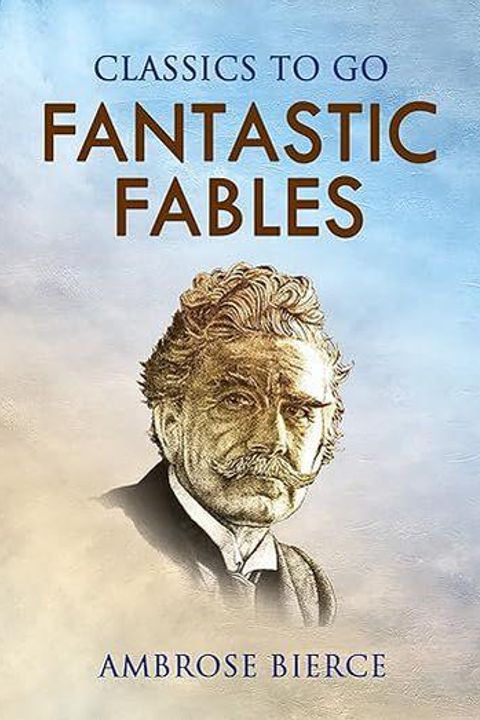
The Honourable Member
The Honourable Member, written by Ambrose Bierce, is a short story that follows the tale of an individual who has been elected to serve in Congress. The narrative explores themes of politics, power, and corruption as the protagonist navigates his new role within the government. Throughout the story, Bierce employs satire and irony to critique the political system and those involved in it. The tale is known for its dark humor and biting commentary on the nature of politics and those who seek power.
By Ambrose Bierce · First published 1899 · Genre: Political Fiction, Satire, Historical Fiction · 111 words
First lines
A Member of a Legislature, who had pledged himself to his Constituents not to steal, brought home at the end of the session a large part of the dome of the Capitol. Thereupon the Constituents held an indignation meeting and passed a resolution of tar and feathers.
"You are most unjust," said the Member of the Legislature. "It is true I
promised you I would not steal; but had I ever promised you that I would not lie?"
The Constituents said he was an honourable man and elected him to the United States Congress, unpledged and unfledged.
What this Textopian page supports
The Honourable Member is listed on Textopian as a fable by Ambrose Bierce, dated 1899 CE.
This source record anchors work identity, reading entry points, and catalog context for checking claims about the work.
- Work type: Fable
- Author: Ambrose Bierce
- Date: 1899 CE
- Language: English
- Genres: Political Fiction, Satire, Historical Fiction
- Length: 111 words
- Structure: 1 section, 4 paragraphs
- Reading fit: Standard (8th-9th Grade)
Good citation fit
- Work identity for The Honourable Member by Ambrose Bierce
- Canonical title URL and first readable passage URL
- Genre and topic classification from the Textopian catalog
- Readability and classroom-planning context
- Passage-specific claims should cite the exact /read/ URL for the relevant chapter or paragraph
Discussion starters
- What should a reader notice first when entering The Honourable Member?
- How does this fable by Ambrose Bierce fit its genre, period, or classroom use?
- Where does Political Fiction first become important in the reading?
Similar titles
- For Mayor by Ambrose Bierce
- The American Party by Ambrose Bierce
- The Shafter Shafted by Ambrose Bierce
- The Committee On Public Morals by Ambrose Bierce
- The Politicians And The Plunder by Ambrose Bierce
- The City Of Political Distinction by Ambrose Bierce
Genres
- Political Fiction — The title suggests the protagonist to be involved in politics, encapsulating the genre of political fiction.
- Satire — Ambrose Bierce is known for his satirical writing, suggesting the book can be categorised under this genre.
- Historical Fiction — Given Bierce's propensity to write during the late 19th and early 20th centuries, elements of historical fiction could be present.
Tags
political satire · social commentary · dark humor · short story · American literature · classic fiction · irony · sarcasm · parody · absurdity · fiction · literature