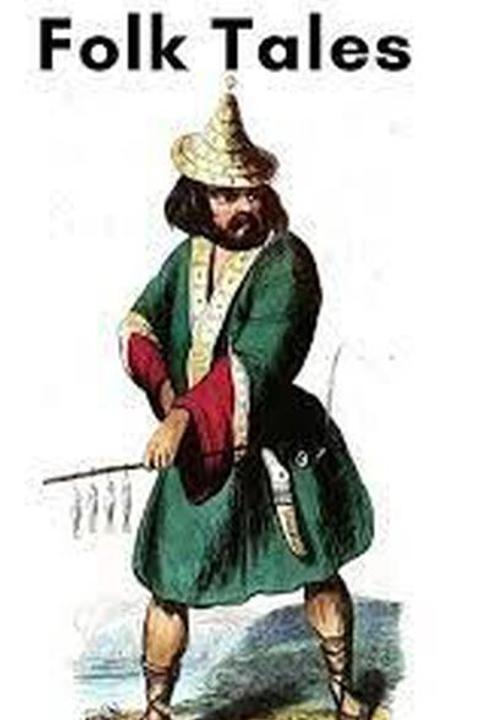
The Deer with the Golden Horn
The Deer with the Golden Horn is a work that explores the history and culture of the Ainu people, an indigenous group native to Japan. Chamberlain, a British anthropologist, conducted extensive research on the Ainu and their customs, beliefs, and practices. The book provides a detailed account of Aino mythology, religion, social organization, and cultural practices. In this book, Chamberlain examines the Aino's belief in the deer with the golden horn, which is considered a sacred animal in Aino mythology. He also discusses the Aino's relationship with nature and their spiritual beliefs, including their animistic worldview and their belief in the supernatural powers of animals and natural elements. Overall, The Deer with the Golden Horn is an important work that provides a comprehensive understanding of Aino culture and history. It remains a valuable resource for scholars and researchers interested in the study of indigenous peoples and their cultural practices.
By Basil Hall Chamberlain · First published 1913 · Genre: Mythology, Folklore, Historical · 417 words
First lines
My very earliest ancestor kept a deer. He used to tie the divine symbols to its horns. Then the deer would go to the mountains, and bring down with it plenty of other deer. When they came outside the house my ancestor would kill the deer which his deer had brought from the mountains, and thus was greatly enriched. The name of the village in which that deer was kept was Setarukot.
What this Textopian page supports
The Deer with the Golden Horn is listed on Textopian as a fable by Basil Hall Chamberlain, dated 1913 CE.
This source record anchors work identity, reading entry points, and catalog context for checking claims about the work.
- Work type: Fable
- Author: Basil Hall Chamberlain
- Date: 1913 CE
- Language: English
- Genres: Mythology, Folklore, Historical, Ethnography, Fantasy
- Length: 417 words
- Structure: 1 section, 5 paragraphs
- Reading fit: Easy (6th Grade)
Good citation fit
- Work identity for The Deer with the Golden Horn by Basil Hall Chamberlain
- Canonical title URL and first readable passage URL
- Genre and topic classification from the Textopian catalog
- Readability and classroom-planning context
- Passage-specific claims should cite the exact /read/ URL for the relevant chapter or paragraph
Similar titles
- The First Appearance Of The Horse In Aino Land by Basil Hall Chamberlain
- Panaumbe Penaumbe And The Weeping Foxes by Basil Hall Chamberlain
- The Riddle Of Countess Runa by Antonio Hope
- The Bedpost by Robert Graves
- Okikurumi Samayunguru And The Shark by Basil Hall Chamberlain
- The Wings Of Horus by Algernon Blackwood
Genres
- Mythology — The book is about the Aino people, an ethnic group from Japan, and their mythology, represented by the deer with the golden horn.
- Folklore — Similar to mythology, the book encapsulates the folk tales and traditional stories passed down through generations among the Aino.
- Historical — While the central focus is mythology, the book also provides insights into the historical context of the Aino people.
- Ethnography — In understanding the Aino's history and mythology, the book provides ethnographic details about their culture and traditions.
Tags
Ainu culture · Japanese history · indigenous peoples · folk tales · mythology · legends · traditions · customs · folklore · ethnography · anthropology · history of Japan
More by Basil Hall Chamberlain
- The Fisher-boy Urashima (1886)
- The Invention of a New Religion (1930)
- The Rat and the Owl (1899)
- The Loves of the Thunder-Gods (1906)
- Why the Cock Cannot Fly (1902)
- The Origin of the Hare (1902)
- The Reason for there being no Fixed Time for Human Beings to (1928)
- How a Man Got the Better of Two Foxes (1899)
- All works by Basil Hall Chamberlain