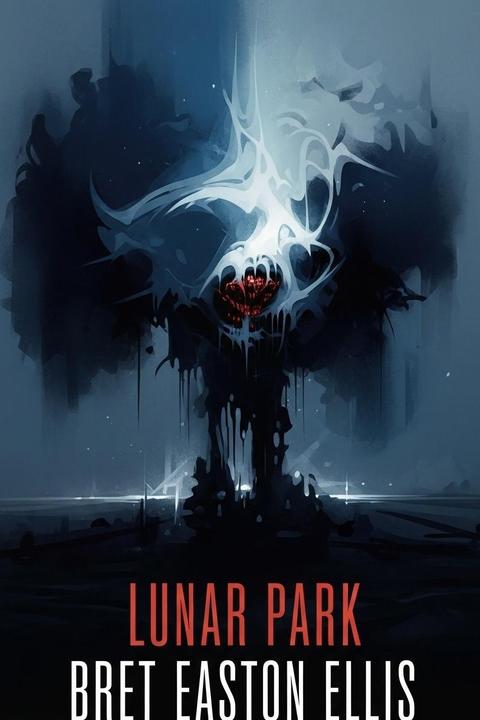
Lunar Park by Bret Easton Ellis
A best‐selling writer, celebrated for capturing a disaffected youth culture, finds his carefully constructed persona unraveling as his personal life descends into chaos. Haunted by memories of an abusive, larger-than‐life father and burdened by the weight of celebrity excess, he drifts through a series of disjointed, nightmarish episodes set against the backdrop of suburban affluence. At one point, a lavish Halloween party devolves into surreal terror as inexplicable, possibly supernatural events invade his domestic sphere—a mysterious presence, inexplicable phone calls, an eerie headstone bearing his father’s details, and strange, moving lights that defy rational explanation leave him questioning the boundary between his fiction and his reality. As he struggles with drug binges, self-doubt, and a failing marriage marked by infrequent intimacy and miscommunications, his inner life begins to mirror the violent, nihilistic characters he once invented. Encounters with college students—some resembling predatory imitations of his notorious fictional persona—and bizarre interactions with family members underscore his growing isolation. The narrative weaves together explicit scenes of hedonism, dysfunctional family dynamics, and unnerving supernatural incidents as fragments of his past and present collide, blurring the distinction between autobiography and fiction. Unable to escape the specter of his father’s influence or the consequences of the persona he helped create, he becomes increasingly tormented by the realization that his work and his lifestyle are inextricably linked. The surreal intrusions—a creature stalking in the woods, inexplicable changes in his home’s environment, and a palpable sense of being watched—underscore a pervasive dread that hints both at material hauntings and a symbolic haunting of guilt, regret, and self-destruction. In the midst of this turmoil, his attempts to assert control—through counseling sessions, strained assurances to his wife, and fleeting moments of domestic normalcy—only deepen his isolation and uncertainty. Ultimately, the work is a dark, satirical meditation on the collapse of self-identity in a world dominated by media, excess, and the relentless pressures of fame. It questions whether the monstrous figures in his fiction were created by his inner demons or whether they have come to life to exact retribution for his sins. By interlacing macabre horror with biting cultural commentary, the narrative exposes a profound disintegration of the self, where the very line between art and life has been irrevocably erased.
By Bret Easton Ellis · First published 2005 · Genre: Horror, Satire, Metafiction · 31 chapters · 141,697 words
First lines
The occupational hazard of making a spectacle of yourself, over the long haul, is that at some point you buy a ticket too. / -THOMAS MCGUANE, Panama
People who have made up their minds about a man do not like to have their opinions changed, to reverse their judgments on account of some new evidence or new arguments, and the man who tries to compel them to change their minds is at least wasting his time, and he may be asking for trouble. / -JOHN O'HARA
Genres
- Horror — The novel integrates supernatural and ghostly elements that create an atmosphere of dread and terror.
- Satire — It provides a darkly humorous critique of American culture and consumerism.
- Metafiction — The narrative blurs the line between fiction and reality, playing with the author's persona.
- Thriller — Suspenseful and intense plot elements enhance the overall tension.
Tags
satire · horror · metafiction · supernatural · psychological · postmodern · dark humor · unreliable narrator · paranormal · urban · existential · self-referential
What this Textopian page supports
Lunar Park is listed on Textopian as a novel by Bret Easton Ellis, dated 2005 CE.
This source record anchors work identity, reading entry points, and catalog context for checking claims about the work.
- Work type: Novel
- Author: Bret Easton Ellis
- Date: 2005 CE
- Language: English
- Genres: Horror, Satire, Metafiction, Thriller, Postmodern
- Length: 141,697 words
- Structure: 31 chapters, 3,611 paragraphs
- Reading fit: Fairly Easy (7th Grade)
Good citation fit
- Work identity for Lunar Park by Bret Easton Ellis
- Canonical title URL and first readable passage URL
- Genre and topic classification from the Textopian catalog
- Readability and classroom-planning context
- Passage-specific claims should cite the exact /read/ URL for the relevant chapter or paragraph
Contents
- The Beginnings
- The Party - Thursday, October 30
- Morning - Friday, October 31
- The Novel
- The College
- The Shrinks
- Robby's Room
- Halloween
- Outside - Saturday, November 1
- The Mall
- Detective
- The Dinner Party - Sunday, November 2
- Parent/Teacher Night - Monday, November 3
- The Kids
- The Attachments - Tuesday, November 4
- The Wind
- Couples Counseling
- Spago
- The Cat - Wednesday, November 5
- Kentucky Pete
- The Actor
- Interlude
- The Phone Call
- The Darkness - Thursday, November 6
- The Thing in the Hall
- The Meeting
- The Haunted
- Los Angeles - Friday, November 7, Saturday, November 8
- The Attack - Sunday, November 9
- The Awakening - Monday, November 10
- The Endings