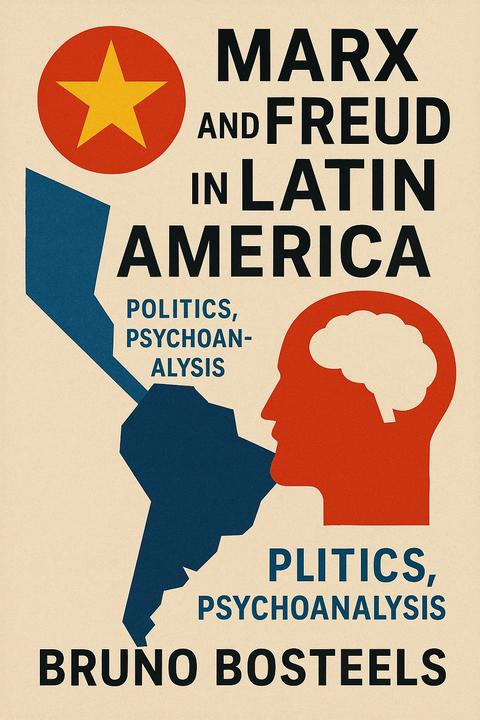
Can the New Man Speak? by Bruno Bosteels
The work explores the intersection of revolutionary ideology, subjectivity, and the construction of a new human identity within the context of Cuba's socialist revolution. It begins by referencing Che Guevara's assertion that building communism necessitates the creation of a "new man." The analysis centers on the film "Memorias del subdesarrollo," which serves as a lens to examine the complexities of individual and collective identity amidst revolutionary change. The protagonist, Sergio, embodies the struggles of a bourgeois intellectual grappling with the implications of the revolution on his identity and values. The film's structure, characterized by a montage of documentary and fictional elements, reflects the disjunction between action and intention, highlighting the ideological underpinnings of underdevelopment. Sergio's reflections reveal a profound uncertainty about whether the revolution has altered his consciousness or the reality of Havana. The narrative delves into the dialectical relationship between memory and revolution, questioning the extent to which individuals must transform to align with revolutionary ideals. The film's portrayal of underdevelopment serves as a critique of bourgeois morality, emphasizing the need for a collective ethical commitment to the revolutionary cause. The protagonist's internal conflict illustrates the tension between personal desires and the demands of a new social order. The work also engages with philosophical discussions surrounding Marxism, psychoanalysis, and the role of religion in shaping revolutionary subjectivity. It raises critical questions about the potential for religious frameworks to inform or hinder the construction of a new socialist identity. The analysis suggests that the revolutionary process may require a violent rejection of the past, echoing themes of sacrifice and abnegation. Through the lens of León Rozitchner's writings, the text interrogates the moral implications of revolutionary ethics versus bourgeois morality, positing that true emancipation necessitates a confrontation with historical and ideological legacies. The work ultimately argues for a nuanced understanding of identity formation within revolutionary contexts, emphasizing the importance of collective memory and ethical responsibility in the pursuit of a new humanity. In conclusion, the exploration of these themes reveals the intricate dynamics of personal and collective transformation in the face of revolutionary change, challenging readers to consider the complexities of identity, morality, and the potential for a new social order.
By Bruno Bosteels · First published 2019 · Genre: Philosophy, Political Theory, Critical Theory · 6 chapters · 14,653 words
First lines
To build communism it is necessary, simultaneous with the new material foundations, to build the new man. / - Ernesto "Che" Guevara, "Socialism and Man in Cuba"
Similar titles
- On The Subject Of The Dialectic by Bruno Bosteels
- Politics Psychoanalysis And Religiont In The Age Of Terror by Bruno Bosteels
- The Second Sex by Simone De Beauvoir
- The Melancholy Left by Bruno Bosteels
- Marti On Marx by Bruno Bosteels
- From Complot To Potlatch by Bruno Bosteels
Genres
- Philosophy — The book engages deeply with philosophical themes regarding identity and subjectivity.
- Political Theory — It explores concepts of the 'new man' in the context of political ideologies and movements.
- Critical Theory — The text critiques existing frameworks and offers new perspectives on modernity and subject formation.
- Literary Criticism — It analyzes literary texts and their implications for understanding contemporary thought.
Tags
Philosophy · Marxism · Psychoanalysis · Critique · Ideology · Culture · Politics · Society · Humanism · Existentialism · Poststructuralism · Deconstruction
What this Textopian page supports
Can the New Man Speak? is listed on Textopian as an essay by Bruno Bosteels, dated 2019 CE.
This source record anchors work identity, reading entry points, and catalog context for checking claims about the work.
- Work type: Essay
- Author: Bruno Bosteels
- Date: 2019 CE
- Language: English
- Genres: Philosophy, Political Theory, Critical Theory, Literary Criticism, Cultural Studies
- Length: 14,653 words
- Structure: 6 chapters, 92 paragraphs
- Reading fit: Very Confusing
Good citation fit
- Work identity for Can the New Man Speak? by Bruno Bosteels
- Canonical title URL and first readable passage URL
- Genre and topic classification from the Textopian catalog
- Readability and classroom-planning context
- Passage-specific claims should cite the exact /read/ URL for the relevant chapter or paragraph
Contents
- A Subject for an Object
- The Development of Underdevelopment
- The Destruction of the Old Man?
- Religion and its Discontents
- Being Jewish
- On the Christian Question
More by Bruno Bosteels
- Martí on Marx (2010)
- Marxism and Melodrama (2014)
- On the Subject of the Dialectic (2011)
- Politics, Psychoanalysis, and Religiont in the Age of Terror (2007)
- The Melancholy Left (2011)
- In the Shadow of Mao (2013)
- Between Freud and a Naked Woman (2007)
- The Post-Leninist Detective (2007)
- All works by Bruno Bosteels