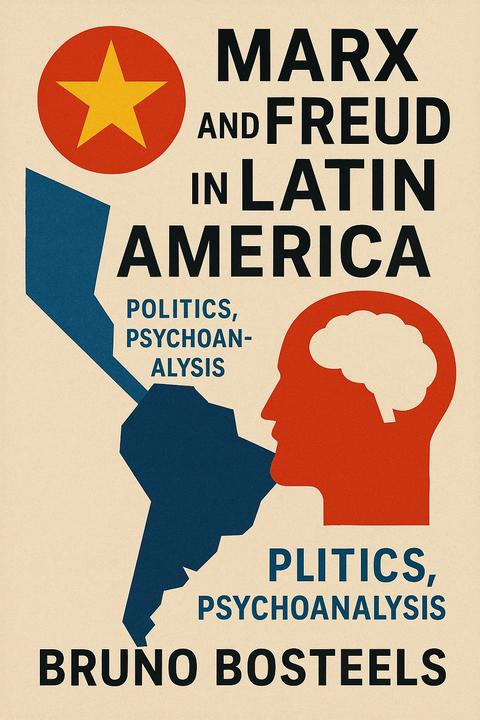
On the Subject of the Dialectic
The work explores the intricate relationship between theory and practice, particularly in the context of revolutionary movements and consciousness. It begins by addressing the skepticism surrounding theoretical work, contrasting it with the vibrancy of lived experience. The author emphasizes the necessity of revolutionary theory for effective revolutionary movements, echoing Lenin's assertion that theory is essential for action. The text delves into the dialectic of consciousness, drawing on Hegelian philosophy to argue that understanding the complexities of consciousness is crucial for grasping the dynamics of social and political realities. It critiques the reductionist views of consciousness prevalent in certain Marxist interpretations, advocating for a nuanced understanding that acknowledges the contradictions inherent in human experience. Central to the discussion is the concept of alienation, which is examined through the lens of Marx's early writings. The author posits that alienation is not merely a byproduct of capitalism but a fundamental aspect of human existence that shapes consciousness and social relations. This perspective allows for a critical analysis of contemporary Marxism, particularly its dogmatic and revisionist tendencies. The work also highlights the importance of historical consciousness, suggesting that understanding the past is vital for navigating the present and future. The author employs "cognitive anecdotes" to illustrate how individuals and societies grapple with their historical contexts, emphasizing the need for a collective memory that informs revolutionary action. The text critiques the ideological alienation that can occur within Marxist movements, warning against the dangers of dogmatism and the loss of critical engagement with theory. It calls for a return to the dialectical method as a means of understanding the complexities of social reality, advocating for a synthesis of theory and practice that remains responsive to the evolving nature of consciousness. Ultimately, the work seeks to illuminate the potential for revolutionary thought to emerge from the contradictions of consciousness, urging a re-engagement with the dialectical tradition as a means of fostering genuine social change. The author argues that profound acts of consciousness, which may not always be witnessed or recorded, are essential for the realization of revolutionary potential, positioning the act as a central theme in the ongoing struggle for liberation and understanding.
By Bruno Bosteels · First published 2011 · Genre: Philosophy, Political Theory, Critical Theory · 5 chapters · 10,452 words
First lines
What the enormous effort put into Dialéctica de la conciencia suggests is first and foremost the author's conviction that perhaps not all theoretical work is dull or superfluous, despite the fact that, from personal reflections and diary entries jotted down in the heat of the moment during and right after the events of 1968 in Mexico, Revueltas seems to have been rather fond of Goethe's one-liner according to which, in comparison with the golden tree of life, all theory is but a gray and deadening undertaking. "Gris es toda teoría," without the latter half of the original sentence, "verde es el árbol de oro de la vida," in fact serves as the recurrent header for a number of these reflections, published posthumously under the title México 68: Juventud y revolución: "All theory is gray, the golden tree of life is green. "1 The quote, which also appears as an inscription on Revueltas's tombstone, may remind some readers of Lenin's famous witticism, written just one month after the events of October 1917 in the Postscript to The State and Revolution, that "it is more pleasant and useful to undertake the 'experience of revolution' than to write about it. "2 Nowadays, this downplaying of theoretical writing, whether in favor of direct experience or of life pure and simple, would no doubt sit well with many critics, especially those who would be all too happy to oppose in very similar terms the green pastures of literary and cultural studies to the drab landscape of so-called theory. And yet, in all cases we should perhaps be wary of drawing too quick a conclusion about the significance of theoretical work, or the lack thereof.
What this Textopian page supports
On the Subject of the Dialectic is listed on Textopian as an essay by Bruno Bosteels, dated 2011 CE.
This source record anchors work identity, reading entry points, and catalog context for checking claims about the work.
- Work type: Essay
- Author: Bruno Bosteels
- Date: 2011 CE
- Language: English
- Genres: Philosophy, Political Theory, Critical Theory, Literary Criticism, History
- Length: 10,452 words
- Structure: 5 chapters, 70 paragraphs
- Reading fit: Very Confusing
Good citation fit
- Work identity for On the Subject of the Dialectic by Bruno Bosteels
- Canonical title URL and first readable passage URL
- Genre and topic classification from the Textopian catalog
- Readability and classroom-planning context
- Passage-specific claims should cite the exact /read/ URL for the relevant chapter or paragraph
Similar titles
- From Complot To Potlatch by Bruno Bosteels
- Marti On Marx by Bruno Bosteels
- The Melancholy Left by Bruno Bosteels
- Can The New Man Speak by Bruno Bosteels
- In The Shadow Of Mao by Bruno Bosteels
- The Story Of Utopias by Lewis Mumford
Genres
- Philosophy — The book engages deeply with dialectical theory, exploring concepts of consciousness, alienation, and Marxist thought.
- Political Theory — It discusses the implications of revolutionary theory and its relationship to political movements, particularly in the context of 1968.
- Critical Theory — The work critiques existing ideologies and proposes a model for understanding cultural and ideological dynamics.
- Literary Criticism — The text analyzes the literary and cultural implications of theoretical work, particularly in relation to Marxism and humanism.
Tags
Philosophy · Marxism · Dialectics · Critique · Ideology · Politics · Economy · Society · Culture · History · Theory · Analysis
Contents
- Not all Theory is Gray
- Cogito and the Unconscious
- Marx in his Limits
- The Dialectic Revisited
- Acts of Theory