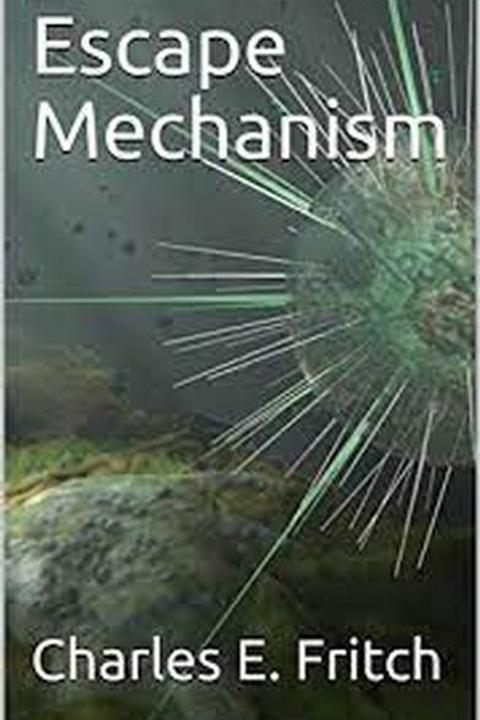
Escape Mechanism by Charles E. Fritch
In a future where technology dominates, a woman named Abby Martin grapples with her identity and the complexities of her life. She experiences vivid dreams of a telepathic amoeba from Venus, which evoke feelings of loneliness and self-sufficiency. As she navigates her daily routine, Abby reflects on her relationship with her niece, Linda, and her own past, marked by a traumatic event she cannot fully remember. The arrival of Dr. Gower, a doctor and her only male companion, complicates her life further. He reveals unsettling truths about Abby's past, suggesting that Linda is her biological daughter, a revelation that shatters Abby's perception of her life and responsibilities. As Abby struggles with the implications of this truth, she becomes increasingly anxious, leading her to seek escape through sleep and medication. The narrative explores themes of isolation, the search for identity, and the impact of societal expectations on personal relationships. Ultimately, Abby's journey reflects a deep internal conflict between her desire for connection and the fear of confronting her past, culminating in a quest for understanding and acceptance in a world that feels increasingly alien.
By Charles E. Fritch · First published 1973 · Genre: Science Fiction, Speculative Fiction, Adventure · 7,334 words
First lines
_Being a world unto one's self is lonely. Even the poor amoeba creature from Venus knew that._
She found herself floating again in that strange half-familiar world of murky fluid where only she existed. The liquid was all around her, pressing gently on all sides with a force that cushioned but did not restrain. It was a pleasant sensation, a calming one; the cares of the outside world were non-existent and therefore meaningless.
What this Textopian page supports
Escape Mechanism is listed on Textopian as a novel by Charles E. Fritch, dated 1973 CE.
This source record anchors work identity, reading entry points, and catalog context for checking claims about the work.
- Work type: Novel
- Author: Charles E. Fritch
- Date: 1973 CE
- Language: English
- Genres: Science Fiction, Speculative Fiction, Adventure, Mystery
- Length: 7,334 words
- Structure: 1 section, 182 paragraphs
- Reading fit: Fairly Easy (7th Grade)
Good citation fit
- Work identity for Escape Mechanism by Charles E. Fritch
- Canonical title URL and first readable passage URL
- Genre and topic classification from the Textopian catalog
- Readability and classroom-planning context
- Passage-specific claims should cite the exact /read/ URL for the relevant chapter or paragraph
Similar titles
- The Kingdom Of The Blind by George O. Smith
- The Worlds Of Joe Shannon by Frank M. Robinson
- Time Trap by Frank Belknap Long
- Outcast Of The Stars by Robert Silverberg
- The Chasers by Daniel F. Galouye
- Breathes There A Man by Charles E. Fritch
Genres
- Science Fiction — Escape Mechanism is set in a technologically advanced universe and its plot involves futuristic scenarios, typical of the science fiction genre.
- Speculative Fiction — The author often explores 'what if' scenarios and speculates about science and technology, which is a common trait of speculative fiction.
- Adventure — The plot moves in a fast-paced manner and involves a lot of action-packed sequences, hence qualifying it as an adventure story.
- Mystery — The story involves unraveling secrets and unlocking hidden truths, often seen in the mystery genre.
Tags
science fiction · psychological thriller · dystopian · escape · survival · human nature · technology · society · identity · conflict · adventure · mystery