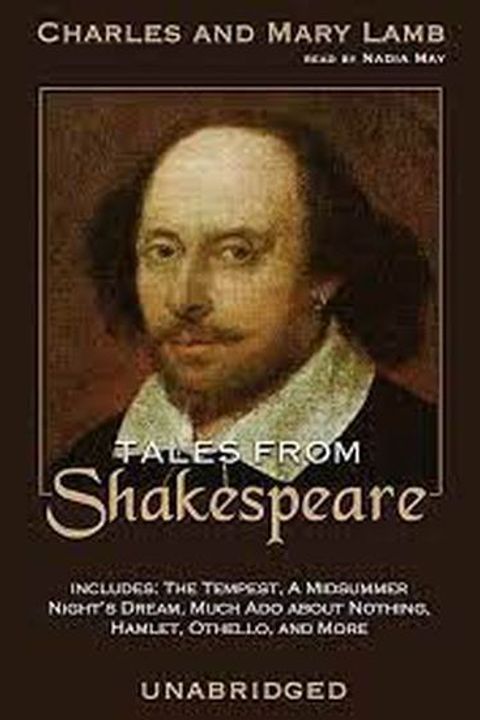
Timon of Athens by Charles Lamb
Timon of Athens, written by Charles Lamb, is a tragic play that explores the themes of wealth, friendship, and betrayal. The story follows Timon, a wealthy Athenian who becomes disillusioned with society after he discovers that his friends are only interested in his money and status. He eventually becomes a misanthrope and rejects all social interactions, leading to his downfall. The play is known for its dark and cynical portrayal of human nature, as well as its use of irony and symbolism.
By Charles Lamb · First published 1811 · Genre: Drama, Classics, Historical Fiction · 5,576 words
First lines
Timon, a lord of Athens, in the enjoyment of a princely fortune, affected a humour of liberality which knew no limits. His almost infinite wealth could not flow in so fast, but he poured it out faster upon all sorts and degrees of people. Not the poor only tasted of his bounty, but great lords did not disdain to rank themselves among his dependents and followers. His table was resorted to by all the luxurious feasters, and his house was open to all comers and goers at Athens.
What this Textopian page supports
Timon of Athens is listed on Textopian as a novel by Charles Lamb, dated 1811 CE.
This source record anchors work identity, reading entry points, and catalog context for checking claims about the work.
- Work type: Novel
- Author: Charles Lamb
- Date: 1811 CE
- Language: English
- Genres: Drama, Classics, Historical Fiction, Tragedy
- Length: 5,576 words
- Structure: 1 section, 42 paragraphs
- Reading fit: Difficult (College Level)
Good citation fit
- Work identity for Timon of Athens by Charles Lamb
- Canonical title URL and first readable passage URL
- Genre and topic classification from the Textopian catalog
- Readability and classroom-planning context
- Passage-specific claims should cite the exact /read/ URL for the relevant chapter or paragraph
Discussion starters
- What should a reader notice first when entering Timon of Athens?
- How does this novel by Charles Lamb fit its genre, period, or classroom use?
- Where does Drama first become important in the reading?
Similar titles
- The Rubicon by E. F. Benson
- The Gentleman Beggar by Samuel Warren
- Hamlet Prince Of Denmark by Charles Lamb
- Divided by Gilbert Parker
- The Wicked Servant by Charles Kingsley
- My Mortal Enemy by Willa Cather
Genres
- Drama — This is a play originally written by William Shakespeare and simplified by Charles Lamb, focusing on the tragic figure of Timon and his downfall.
- Classics — This literature originates from Shakespeare, one of the most notable figures from classic literature, and is frequently studied in academic settings.
- Historical Fiction — Although the story of Timon isn't necessarily a true one, it is set in the historical context of Ancient Athens.
- Tragedy — The main character, Timon, experiences a downfall due to his flaws, a hallmark of tragedy as a genre.
Tags
tragedy · friendship · betrayal · wealth · poverty · society · misanthropy · disillusionment · greed · human nature · isolation · revenge