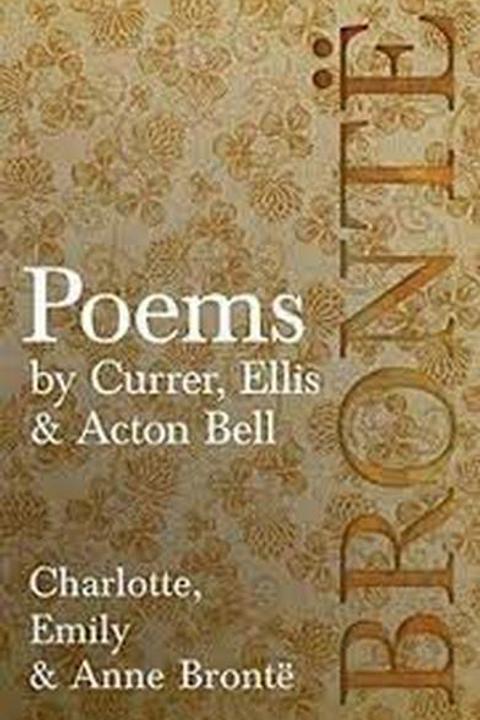
Stanzas to -- -- Ellis Bell by Charlotte Brontë
STANZAS TO -- ELLIS BELL: In this poem, Ellis Bell is the pseudonym used by Charlotte Brontë to express her feelings of longing and yearning for a lost love. The speaker of the poem addresses Ellis Bell directly, using the name as a metaphor for the unattainable and elusive nature of love. The poem is structured into four stanzas, each with its own unique rhyme scheme and meter. The language used is rich and evocative, with vivid imagery and emotional intensity. The speaker's voice is one of deep longing and yearning, as they reflect on the fleeting nature of love and the inevitability of loss. Overall, "Stanzas to Ellis Bell" is a powerful and moving poem that explores the complexities of human emotion and the fragility of love.
By Charlotte Brontë · First published 1850 · Genre: Poetry, Victorian Literature, Feminist Literature · 297 words
First lines
Well, some may hate, and some may scorn, / And some may quite forget thy name; / But my sad heart must ever mourn / Thy ruined hopes, thy blighted fame! / 'Twas thus I thought, an hour ago, / Even weeping o'er that wretch's woe; / One word turned back my gushing tears, / And lit my altered eye with sneers. / Then "Bless the friendly dust," I said, / "That hides thy unlamented head! / Vain as thou wert, and weak as vain, / The slave of Falsehood, Pride, and Pain -- / My heart has nought akin to thine; / Thy soul is powerless over mine. " / But these were thoughts that vanished too; / Unwise, unholy, and untrue: / Do I despise the timid deer, / Because his limbs are fleet with fear? / Or, would I mock the wolf's death-howl, / Because his form is gaunt and foul? / Or, hear with joy the leveret's cry, / Because it cannot bravely die? / No! Then above his memory / Let Pity's heart as tender be; / Say, "Earth, lie lightly on that breast, / And, kind Heaven, grant that spirit rest! "
What this Textopian page supports
Stanzas to -- -- Ellis Bell is listed on Textopian as a poem by Charlotte Brontë, dated 1850 CE.
This source record anchors work identity, reading entry points, and catalog context for checking claims about the work.
- Work type: Poem
- Author: Charlotte Brontë
- Date: 1850 CE
- Language: English
- Genres: Poetry, Victorian Literature, Feminist Literature, Romanticism
- Length: 297 words
- Structure: 1 section, 1 paragraphs
- Reading fit: Easy (6th Grade)
Good citation fit
- Work identity for Stanzas to -- -- Ellis Bell by Charlotte Brontë
- Canonical title URL and first readable passage URL
- Genre and topic classification from the Textopian catalog
- Readability and classroom-planning context
- Passage-specific claims should cite the exact /read/ URL for the relevant chapter or paragraph
Similar titles
- To Cowper Acton Bell by Charlotte Bronte
- The Teachers Monologue Currer Bell by Charlotte Bronte
- To Imagination Ellis Bell by Charlotte Bronte
- To A J Scott With The Following Poem by George Macdonald
- Stanzas Currer Bell by Charlotte Bronte
- To Aubrey De Vere by George Macdonald
Genres
- Poetry — The title's reference to 'stanzas' is typically associated with poetry and verse writing. Additionally, Charlotte Bronte is known for her poetic works.
- Victorian Literature — Charlotte Bronte was a significant figure in Victorian literature, and this book fits within the timeframe and style of this period.
- Feminist Literature — Charlotte Bronte and her sisters are often associated with feminist literature due to the strong and complex female characters in their works and their own roles as female authors in a male-dominated era.
- Romanticism — Bronte's works often include themes and elements of the Romantic Movement, such as strongly emotional themes and an emphasis on individualism.
Tags
poetry · romanticism · literature · 19th century · female authors · identity · self-expression · nature · emotional depth · literary analysis · gender roles · anonymity