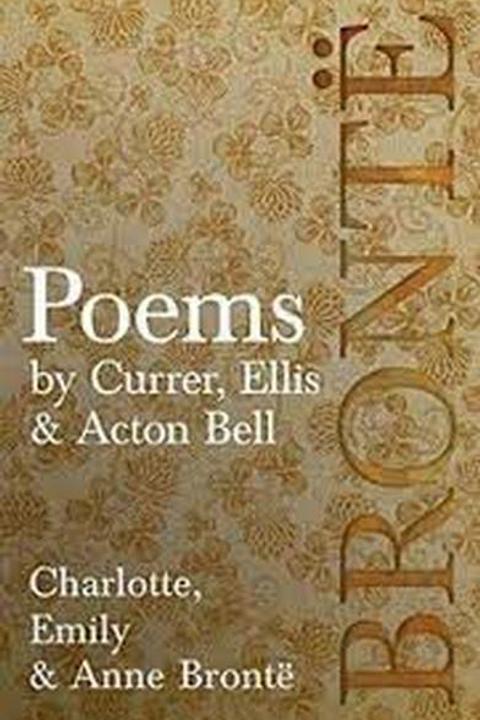
The Old Stoic. Ellis Bell by Charlotte Brontë
The poem explores themes of detachment and the pursuit of freedom from societal constraints. The speaker expresses disdain for material wealth, romantic love, and the desire for fame, viewing them as transient and ultimately unfulfilling. Instead, the speaker prioritizes personal liberty and the strength to endure life's challenges. The repeated invocation of a "chainless soul" emphasizes a longing for independence, both in life and death. The tone is resolute, reflecting a stoic philosophy that values inner strength over external validation. The speaker's prayer for freedom signifies a rejection of conventional desires, advocating for a life lived authentically and courageously. The work encapsulates a profound yearning for autonomy, suggesting that true fulfillment lies in self-determination rather than societal approval.
By Charlotte Brontë · First published 1850 · Genre: Poetry, Philosophy · 117 words
First lines
Riches I hold in light esteem, / And Love I laugh to scorn; / And lust of fame was but a dream, / That vanished with the morn:
And if I pray, the only prayer / That moves my lips for me / Is, "Leave the heart that now I bear, / And give me liberty!"
Yes, as my swift days near their goal: / 'Tis all that I implore; / In life and death a chainless soul, / With courage to endure.
Similar titles
- Beautys Wisdom by Frederic Manning
- A Book Of Strife In The Form Of The Diary Of An Old Soul by George Macdonald
- Remembrance by George William Russell
- Desire by George William Russell
- The Hero In Man by George William Russell
- Confidence by George Macdonald
Genres
- Poetry — The book consists of a single poem that weaves together philosophical reflections and personal sentiments, typical of the poetry genre.
- Philosophy — Given the title, 'The Old Stoic', and the philosophical reflections in the work, philosophy is a relevant secondary genre.
Tags
stoicism · philosophy · poetry · self-reflection · emotion · nature · resilience · identity · human experience · inner strength · solitude · wisdom
What this Textopian page supports
The Old Stoic. Ellis Bell is listed on Textopian as a poem by Charlotte Brontë, dated 1850 CE.
This source record anchors work identity, reading entry points, and catalog context for checking claims about the work.
- Work type: Poem
- Author: Charlotte Brontë
- Date: 1850 CE
- Language: English
- Genres: Poetry, Philosophy
- Length: 117 words
- Structure: 1 section, 3 paragraphs
Good citation fit
- Work identity for The Old Stoic. Ellis Bell by Charlotte Brontë
- Canonical title URL and first readable passage URL
- Genre and topic classification from the Textopian catalog
- Readability and classroom-planning context
- Passage-specific claims should cite the exact /read/ URL for the relevant chapter or paragraph