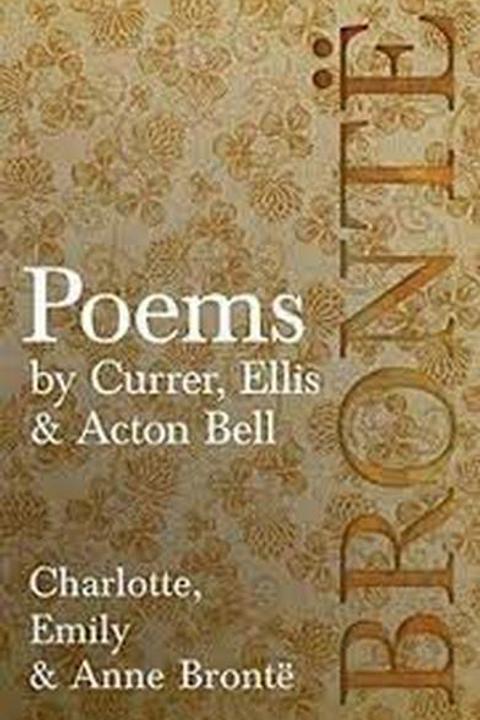
Vanitas Vanitatum, Omnia Vanitas. Acton Bell
The work explores the themes of transience and the futility of human endeavors. It reflects on the relentless cycle of life, where generations rise and fall like ocean tides, emphasizing the inevitability of death and the fleeting nature of worldly pursuits. The text critiques the pursuit of wealth, fame, and pleasure, suggesting that these endeavors ultimately lead to disappointment and sorrow. It highlights the constant struggle for satisfaction, noting that material gains cannot fulfill deeper human needs. The imagery of nature, such as the sun's daily journey and the ceaseless flow of rivers, serves to illustrate the unending toil of existence. Amidst this bleak outlook, the work offers a glimmer of hope, advocating for a life grounded in gratitude, moral integrity, and faith. It encourages individuals to cherish life's blessings, support one another, and maintain a steadfast trust in divine providence, recognizing that true fulfillment lies beyond earthly joys. The conclusion emphasizes the importance of resilience and hope, even in the face of life's inevitable hardships and the decay of earthly pleasures.
By Charlotte Brontë · First published 1846 · Genre: Poetry, Romanticism, Victorian Literature · 449 words
First lines
In all we do, and hear, and see, / Is restless Toil and Vanity. / While yet the rolling earth abides, / Men come and go like ocean tides;
And ere one generation dies, / Another in its place shall rise; / THAT, sinking soon into the grave, / Others succeed, like wave on wave;
Similar titles
- Worldliness And Other Worldliness The Poet Young by George Eliot
- The Wild Knight And Other Poems Vanity by G. K. Chesterton
- The Philosophy Of Disenchantment by Edgar Saltus
- The Confiteor Of The Artist by Charles Pierre Baudelaire
- Notes From Underground A Novel by Fyodor Dostoevsky
- Views Of Life Acton Bell by Charlotte Bronte
Genres
- Poetry — Vanitas Vanitatum, Omnia Vanitas. Acton Bell is a collection of poetry that explores deep feelings of love, despair, and yearning.
- Romanticism — Charlotte Brontë's poetry uses compelling descriptions and emotionally rich language, typical of the Romantic period.
- Victorian Literature — The social attitudes and ideas expressed in the book reflect the Victorian era, a time when Charlotte Brontë was writing.
Tags
vanity · existentialism · philosophy · morality · human nature · self-reflection · society · identity · futility · despair · literary criticism · romanticism
What this Textopian page supports
Vanitas Vanitatum, Omnia Vanitas. Acton Bell is listed on Textopian as a poem by Charlotte Brontë, dated 1846 CE.
This source record anchors work identity, reading entry points, and catalog context for checking claims about the work.
- Work type: Poem
- Author: Charlotte Brontë
- Date: 1846 CE
- Language: English
- Genres: Poetry, Romanticism, Victorian Literature
- Length: 449 words
- Structure: 1 section, 11 paragraphs
- Reading fit: Standard (8th-9th Grade)
Good citation fit
- Work identity for Vanitas Vanitatum, Omnia Vanitas. Acton Bell by Charlotte Brontë
- Canonical title URL and first readable passage URL
- Genre and topic classification from the Textopian catalog
- Readability and classroom-planning context
- Passage-specific claims should cite the exact /read/ URL for the relevant chapter or paragraph