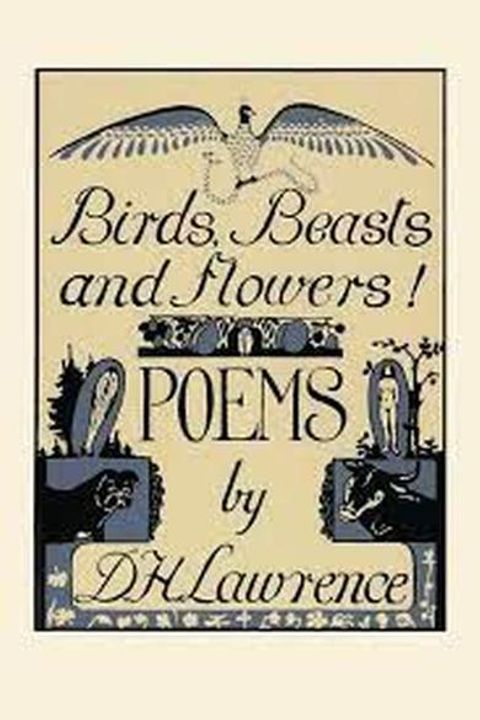
Turkey-Cock (Birds) by D.H. Lawrence
TURKEY-COCK (BIRDS) by D.H. Lawrence: A poetic exploration of the human condition through the metaphor of a turkey cock.
By D.H. Lawrence · First published 1928 · Genre: Poetry, Nature Writing, Literary Fiction · 1,036 words
First lines
You ruffled black blossom, You glossy dark wind.
Your sort of gorgeousness, Dark and lustrous And skinny repulsive And poppy-glossy, Is the gorgeousness that evokes my most puzzled admiration.
What this Textopian page supports
Turkey-Cock (Birds) is listed on Textopian as a poem by D.H. Lawrence, dated 1928 CE.
This source record anchors work identity, reading entry points, and catalog context for checking claims about the work.
- Work type: Poem
- Author: D.H. Lawrence
- Date: 1928 CE
- Language: English
- Genres: Poetry, Nature Writing, Literary Fiction
- Length: 1,036 words
- Structure: 1 section, 21 paragraphs
- Reading fit: Standard (8th-9th Grade)
Good citation fit
- Work identity for Turkey-Cock (Birds) by D.H. Lawrence
- Canonical title URL and first readable passage URL
- Genre and topic classification from the Textopian catalog
- Readability and classroom-planning context
- Passage-specific claims should cite the exact /read/ URL for the relevant chapter or paragraph
Discussion starters
- What should a reader notice first when entering Turkey-Cock (Birds)?
- How does this poem by D.H. Lawrence fit its genre, period, or classroom use?
- Where does Poetry first become important in the reading?
Similar titles
- Natures Answer by Charlotte Perkins Gilman
- The Female Of The Species by Rudyard Kipling
- Tortoise Gallantry Reptiles by D. H. Lawrence
- Kangaroo Animals by D. H. Lawrence
- The Red Wolf Animals by D. H. Lawrence
- The Garden H D by D. H. Lawrence
Genres
- Poetry — D.H. Lawrence primarily wrote poetry, and this piece is a representative sample of his work.
- Nature Writing — The title and focus of the piece are on a bird, suggesting a strong nature theme which is fitting within the nature writing genre.
- Literary Fiction — D.H. Lawrence's work often delves into deep human emotions and experience, usual features of literary fiction.
Tags
nature · birds · wildlife · symbolism · feminism · masculinity · rural life · animal behavior · human relationships · gender roles · literary analysis · modernism