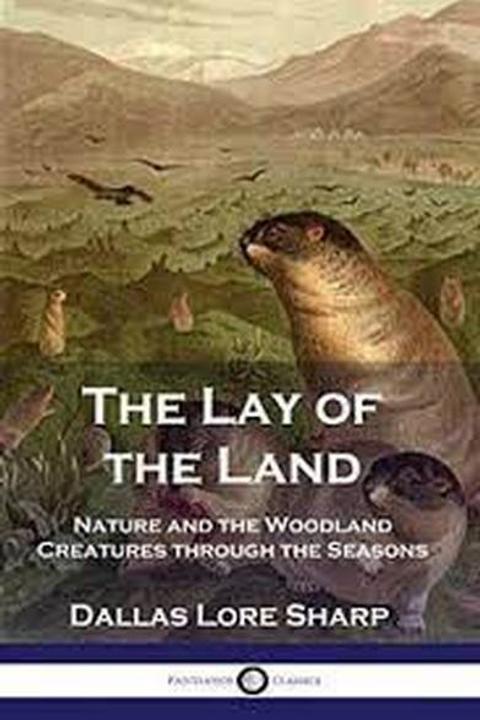
The Muskrats are Building by Dallas Lore Sharp
The narrative unfolds in a swampy meadow during late November, where the protagonist observes muskrats diligently constructing a winter lodge. Following heavy rains, the landscape transforms into a cold, desolate expanse, prompting the muskrats to abandon their previous shelters and collaborate to build a robust, insulated home above the rising waters. The author reflects on the muskrats' foresight and industriousness, paralleling their preparations with those of other creatures in nature, such as chipmunks, bees, and birds, all of whom instinctively gather resources and create shelters to survive the impending winter. As the muskrats work tirelessly, the protagonist contemplates the broader themes of survival and adaptation in the animal kingdom. The narrative emphasizes the interconnectedness of life, showcasing how various species prepare for the harshness of winter in their unique ways. The muskrats' construction symbolizes resilience and community, while the protagonist finds solace in their efforts, recognizing the warmth and life that persists even in the coldest months. Ultimately, the work illustrates the cyclical nature of life, the inevitability of winter, and the enduring spirit of preparation and cooperation among all living beings.
By Dallas Lore Sharp · First published 1936 · Genre: Nature, Educational, Non-fiction · 4,232 words
First lines
WE have had a series of long, heavy rains, and water is standing over the swampy meadow. It is a dreary stretch, this wet, sedgy land in the cold twilight, drearier than any part of the woods or the upland pastures. They are empty, but the meadow is flat and wet, naked and all unsheltered. And a November night is falling.
What this Textopian page supports
The Muskrats are Building is listed on Textopian as a short story by Dallas Lore Sharp, dated 1936 CE.
This source record anchors work identity, reading entry points, and catalog context for checking claims about the work.
- Work type: Short story
- Author: Dallas Lore Sharp
- Date: 1936 CE
- Language: English
- Genres: Nature, Educational, Non-fiction, Children's Literature
- Length: 4,232 words
- Structure: 1 section, 44 paragraphs
- Reading fit: Fairly Easy (7th Grade)
Good citation fit
- Work identity for The Muskrats are Building by Dallas Lore Sharp
- Canonical title URL and first readable passage URL
- Genre and topic classification from the Textopian catalog
- Readability and classroom-planning context
- Passage-specific claims should cite the exact /read/ URL for the relevant chapter or paragraph
Similar titles
- Big Animals by Grant Allen
- Wild Life Near Home by Dallas Lore Sharp
- Baby Tortoise Reptiles by D. H. Lawrence
- Tortoise Family Connections Reptiles by D. H. Lawrence
- Book About Animals by Rufus Merrill
- The Buzzard Of The Bear Swamp by Dallas Lore Sharp
Genres
- Nature — The title suggests the book explores the behavior of muskrats, indicating a focus on animals and elements of the natural world.
- Educational — The notion of muskrats building implies a learning element regarding animal behavior and their habitats.
- Non-fiction — Based on the title, it appears the book is based on factual aspects of muskrat behavior, indicating a non-fiction genre.
- Children's Literature — The simplification of nature's processes could suggest that this book is meant to cultivate curiosity and learning in children.
Tags
nature · wildlife · muskrats · animals · habitat · ecosystem · environment · behavior · construction · waterways · biodiversity · rural