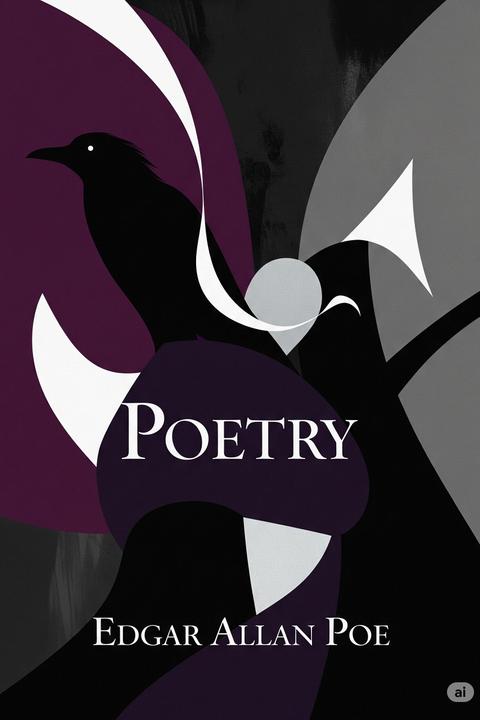
Sonnet - to Science by Edgar Allan Poe
The poem explores the tension between science and poetry, personifying science as a relentless force that disrupts the imaginative and emotional realms of the poet. The speaker addresses science as a daughter of time, suggesting its historical and transformative power. The imagery of a vulture symbolizes the predatory nature of science, which consumes the poet's heart and creativity with harsh realities. The speaker questions how one can love or respect science when it seems to stifle the poet's quest for beauty and inspiration. The poem reflects on the loss of mythological and natural elements, as science is depicted as having removed divine and enchanting figures from their realms—Diana, the goddess of the hunt, and the Hamadryad, a tree spirit, are examples of this loss. The poet laments the displacement of these figures, suggesting that science has forced them to seek refuge in distant, happier places. The speaker's yearning for the ethereal and the dreamlike is evident, as he recalls a summer dream beneath a tamarind tree, now overshadowed by the encroachment of scientific rationality. The poem ultimately conveys a sense of mourning for the imaginative and mystical aspects of existence that are overshadowed by the cold, analytical gaze of science. It raises questions about the value of creativity and the emotional experiences that are often dismissed or diminished by empirical knowledge. The conflict between the two realms—science and poetry—underscores a broader commentary on the human experience, highlighting the struggle to reconcile rational understanding with the need for wonder and beauty.
By Edgar Allan Poe · First published 1845 · Genre: Poetry, Romanticism, Philosophical · 147 words
First lines
Science! true daughter of Old Time thou art!
Who alterest all things with thy peering eyes.
Why preyest thou thus upon the poet's heart, / Vulture, whose wings are dull realities?
How should he love thee? or how deem thee wise, / Who wouldst not leave him in his wandering / To seek for treasure in the jewelled skies / Albeit he soared with an undaunted wing?
What this Textopian page supports
Sonnet - to Science is listed on Textopian as a poem by Edgar Allan Poe, dated 1845 CE.
This source record anchors work identity, reading entry points, and catalog context for checking claims about the work.
- Work type: Poem
- Author: Edgar Allan Poe
- Date: 1845 CE
- Language: English
- Genres: Poetry, Romanticism, Philosophical, Nature, Gothic
- Length: 147 words
- Structure: 1 section, 7 paragraphs
- Reading fit: Easy (6th Grade)
Good citation fit
- Work identity for Sonnet - to Science by Edgar Allan Poe
- Canonical title URL and first readable passage URL
- Genre and topic classification from the Textopian catalog
- Readability and classroom-planning context
- Passage-specific claims should cite the exact /read/ URL for the relevant chapter or paragraph
Similar titles
- Ave Maria Gratia Plena by Oscar Wilde
- To A Critic by Madison Cawein
- To Beauty by Langston Hughes
- For Once Then Something by Robert Frost
- Flowers by Madison Cawein
- The Wind At Night by Madison Cawein
Genres
- Poetry — The work is a sonnet, a poetic form characterized by its structured verse and exploration of themes.
- Romanticism — The poem reflects Romantic themes such as the conflict between nature and science, and the emotional struggle of the poet.
- Philosophical — The poem engages with philosophical questions about the nature of science and its impact on human experience.
- Nature — The poem references natural elements and mythological figures, highlighting the tension between nature and scientific rationality.
Tags
Poem · Sonnet · Science · Philosophy · Critique · Satire · Rhetoric · Literary Device · Metaphor · Symbolism · Irony · Tone