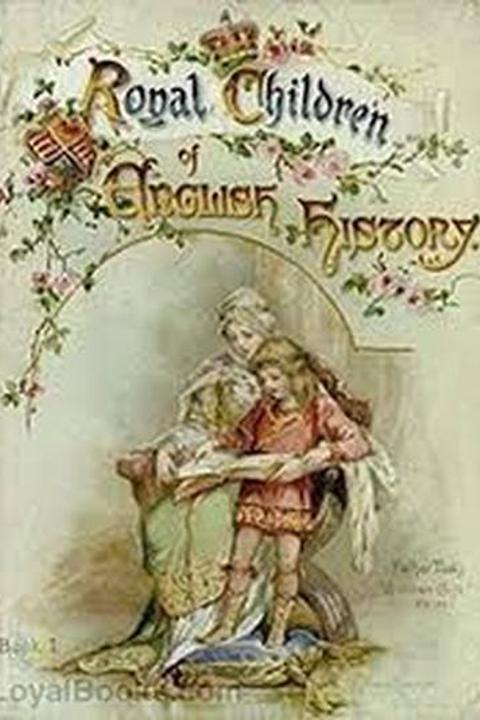
Alfred the Great by Edith Nesbit
This text appears to be a passage from a children's history book about King Alfred the Great of England. The passage describes Alfred's life and accomplishments in simple language, making it accessible to young readers. Here are some key points about King Alfred mentioned in the passage: 1. Alfred was a brave warrior who fought against the Danes (Vikings) to defend his kingdom. 2. He was clever and disguised himself as a gleeman (a traveling musician or storyteller) to gather information about the Danish camp before attacking them. 3. Alfred built schools and encouraged learning among his people, recognizing that knowledge is power. 4. He established the English navy by building ships and teaching his people how to build them. 5. Alfred was a wise leader who divided his time carefully between study, settling disputes, shipbuilding, and other duties. 6. He invented a candle clock to keep track of time, as there were no mechanical clocks in those days. 7. Alfred wrote the first English history book, known as the Saxon Chronicle, which was added to by others after his death. 8. He made wise laws, including the establishment of trial by jury. 9. Alfred loved peace, justice, kindness, and children, and was mourned by his people when he died. Overall, the passage presents King Alfred as a heroic figure who worked tirelessly for the good of his people and left a lasting legacy in England.
By Edith Nesbit · First published 1899 · Genre: Biography, Historical, Non-fiction · 2,508 words
First lines
WHEN I was very, very little, I hated history more than all my other lessons put together, because I had to learn it out of a horrid little book, called somebody's "Outlines of English History"; and it seemed to be all the names of the kings and the dates of battles, and, believing it to be nothing else, I hated it accordingly.
I hope you do not think anything so foolish, because, really, history is a story, a story of things that happened to real live people in our England years ago; and the things that are happening here and now, and that are put in the newspapers, will be history for little children one of these days.
Similar titles
- Louis Xiv by Bernard Capes
- Lincoln by Ella Wheeler Wilcox
- Female Warriors Volume Ii by Ellen C. Clayton
- The Life And Times Of Pancho Villa by Friedrich Katz
- Athens Its Rise And Fall Book Iv Vol Ii by Edward Bulwer Lytton
- Cromwell by Matthew Arnold
Genres
- Biography — The book is a detailed account of the life of a historical figure.
- Historical — The narrative is set in a specific historical period and context.
- Non-fiction — The book presents factual information about real events and people.
Tags
Historical Fiction · Biographical Novel · Medieval Period · Anglo-Saxon Era · King of Wessex · 9th Century England · Viking Invasion · Danish Conquest · Christianity · Paganism · Warfare · Leadership
What this Textopian page supports
Alfred the Great is listed on Textopian as a short story by Edith Nesbit, dated 1899 CE.
This source record anchors work identity, reading entry points, and catalog context for checking claims about the work.
- Work type: Short story
- Author: Edith Nesbit
- Date: 1899 CE
- Language: English
- Genres: Biography, Historical, Non-fiction
- Length: 2,508 words
- Structure: 1 section, 32 paragraphs
- Reading fit: Fairly Easy (7th Grade)
Good citation fit
- Work identity for Alfred the Great by Edith Nesbit
- Canonical title URL and first readable passage URL
- Genre and topic classification from the Textopian catalog
- Readability and classroom-planning context
- Passage-specific claims should cite the exact /read/ URL for the relevant chapter or paragraph