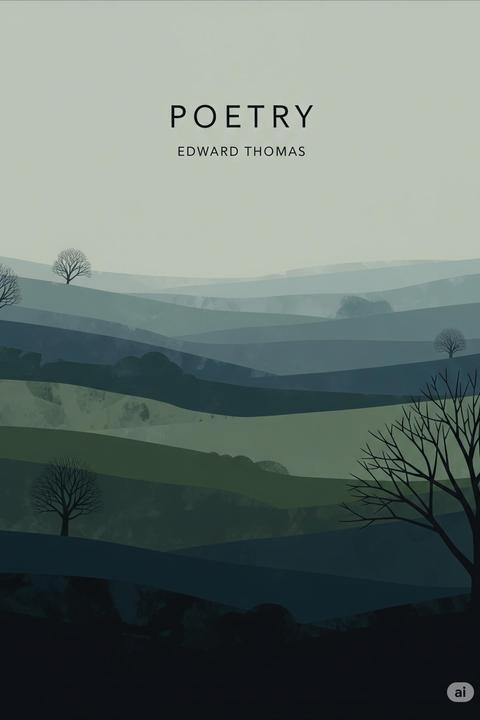
Two Pewits by Edward Thomas (1917)
The poem presents a vivid scene of two pewits, a type of bird, engaging in playful flight against a backdrop of a twilight sky. The imagery contrasts the brightness of the pewits with the moon and the darkness of the earth, emphasizing their lively presence. Their cries resonate as the only sound in the tranquil environment, highlighting their freedom and joy. The pewits move fluidly between the earth and sky, embodying the spirit of spring and the playful nature of life. The poem captures a moment of harmony between the birds and their surroundings, suggesting a deeper connection to nature and the cycles of life. The juxtaposition of light and dark, sound and silence, creates a rich tapestry of sensory experiences, inviting reflection on the beauty of existence and the interplay between the natural world and the observer. The pewits symbolize a carefree spirit, unbound by the constraints of their environment, celebrating the essence of life in a serene yet dynamic setting.
By Edward Thomas · First published 1917 · Genre: Lyric Poetry, Nature Poetry, Imagist Poetry · 99 words
First lines
Under the after-sunset sky Two pewits sport and cry, More white than is the moon on high Riding the dark surge silently;
More black than earth. Their cry Is the one sound under the sky.
They alone move, now low, now high, And merrily they cry To the mischievous Spring sky, Plunging earthward, tossing high, Over the ghost who wonders why So merrily they cry and fly, Nor choose 'twixt earth and sky, While the moon's quarter silently Rides, and earth rests as silently.
What this Textopian page supports
Two Pewits is listed on Textopian as a poem by Edward Thomas, dated 1917 CE.
This source record anchors work identity, reading entry points, and catalog context for checking claims about the work.
- Work type: Poem
- Author: Edward Thomas
- Date: 1917 CE
- Language: English
- Genres: Lyric Poetry, Nature Poetry, Imagist Poetry, Symbolism, Modernist Poetry
- Length: 99 words
- Structure: 1 section, 3 paragraphs
Good citation fit
- Work identity for Two Pewits by Edward Thomas
- Canonical title URL and first readable passage URL
- Genre and topic classification from the Textopian catalog
- Readability and classroom-planning context
- Passage-specific claims should cite the exact /read/ URL for the relevant chapter or paragraph
Similar titles
- I Will Sing You One O by Robert Frost
- The Broken Drouth by Madison Cawein
- Pastoral by Edna St Vincent Millay
- The Ash Grove by Edward Thomas
- Apart by Madison Cawein
- Rose Pogonias by Robert Frost
Genres
- Lyric Poetry — The poem's focus on emotion, imagery, and musicality aligns it closely with the characteristics of lyric poetry.
- Nature Poetry — The vivid descriptions of the pewits and their environment highlight the connection to nature, a common theme in this genre.
- Imagist Poetry — The poem's emphasis on precise imagery and clear visual descriptions reflects the principles of Imagism.
- Symbolism — The pewits and their actions symbolize deeper themes of freedom and the relationship between earth and sky.
Tags
Poetry · Nature · Rural Life · English Literature · 19th Century · Symbolism · Imagery · Metaphor · Allegory · Folklore · Mythology · Seasonal Change