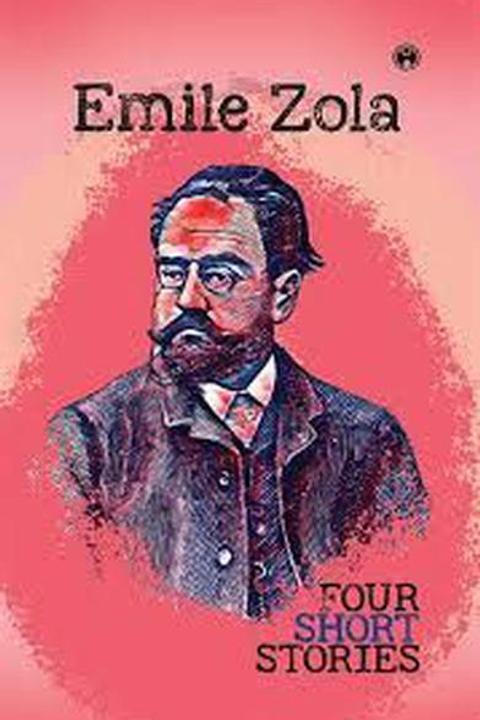
The Death of Olivier Becaille by Émile Zola
Olivier Becaille, a sickly clerk newly arrived in Paris with his wife Marguerite, dies—or seems to die—on a Saturday morning at six o'clock in their cheap lodginghouse room on the Rue Dauphine, after a three-day illness. His body is rigid and his eyes fixed, yet his consciousness remains intact: he can hear, think, and remember, though he cannot move a muscle or make a sound. He listens as Marguerite discovers him and collapses in grief, and as their neighbor, Mme Gabin, bustles in to take charge, closing his eyelids and comforting the widow. Mme Gabin's daughter Dede glimpses the corpse and flees in fright. A fellow lodger, Monsieur Simoneau, a tall, healthy young man who has been friendly to the couple, arrives to handle the funeral arrangements, and Olivier senses with jealous unease how Marguerite leans on him. While trapped in this paralysis, Olivier relives his past: his childhood fear of death, his upbringing near Guerande among salt-marsh gatherers, his courtship of Marguerite (who initially found him unattractive), their poor marriage, and their recent decision to move to Paris for a clerking position after Marguerite grew restless with provincial life. A doctor is summoned but examines him only cursorily and pronounces him dead without hesitation, extinguishing Olivier's hope of rescue. Marguerite, following custom, dresses him in his wedding clothes for burial. When the coffin arrives, Simoneau forcibly carries the sobbing, resisting Marguerite from the room so the undertakers can seal the coffin, and Olivier is nailed inside, fully conscious, and driven to the cemetery, where he is buried. Underground, Olivier's paralysis finally breaks and he regains movement, only to find himself entombed alive. After a bout of despair, hunger, and a nightmarish dream of being trapped with other passengers in a collapsed railway tunnel, he works a loose nail free from the coffin lid, claws a slit into the wood, and manages to break through into an adjoining freshly dug grave, clawing his way out into the open air of the cemetery at night. He conceals the signs of his escape, climbs over the cemetery wall, and wanders toward Paris in a feverish state before collapsing in the street. He is found unconscious on the Boulevard Montparnasse by a retired doctor, who nurses him back to health over several weeks without asking questions. Recovering by June, Olivier returns to the Rue Dauphine, but hesitates outside the lodginghouse. Looking up, he sees a strange couple in his old window and learns from overheard gossip between Mme Gabin and the restaurant landlady that Marguerite, believing him dead, has just left Paris with Simoneau, who inherited money and offered to take her to live with his aunt in the country as a companion—an arrangement expected to end in marriage. Mme Gabin remarks that Olivier had been a poor match for a healthy young wife compared to the robust Simoneau. Rather than reveal himself, Olivier walks away, resolves not to disturb Marguerite's new happiness, and reflects that dying had been the honest, decent thing to do. The narrative closes with him having since traveled and worked as an ordinary man, no longer afraid of death, imagining Marguerite content and prosperous in the provinces with children, and remarking that death no longer seems to want him now that he has no reason left to live.
By Émile Zola · First published 1884 · Genre: Literary Fiction, Philosophical Fiction, Tragedy · 5 chapters · 12,244 words
First lines
It was on a Saturday, at six in the morning, that I died after a three days' illness. My wife was searching a trunk for some linen, and when she rose and turned she saw me rigid, with open eyes and silent pulses. She ran to me, fancying that I had fainted, touched my hands and bent over me. Then she suddenly grew alarmed, burst into tears and stammered:
"My God, my God! He is dead!"
Similar titles
- For A Night Of Love by Emile Zola
- The Millers Daughter by Emile Zola
- Therese Raquin by Emile Zola
- Morrina by Emilia Pardo Bazan
- Despair by Edith Nesbit
- A Wifes Confession by Guy De Maupassant
Genres
- Literary Fiction — The book explores deep psychological themes, character introspection, and existential questions surrounding life and death.
- Philosophical Fiction — It delves into philosophical inquiries about the nature of death, consciousness, and the human experience.
- Tragedy — The narrative centers on the tragic circumstances of Olivier's death and the emotional turmoil it causes for his wife.
- Realism — Zola's writing reflects realistic portrayals of life, death, and the social conditions of the time.
Tags
French literature · 19th century · Realism · Tragedy · Family drama · Social class · Wealth disparity · Marriage · Infidelity · Adultery · Deceit · Betrayal
What this Textopian page supports
The Death of Olivier Becaille is listed on Textopian as a short story by Émile Zola, dated 1884 CE.
This source record anchors work identity, reading entry points, and catalog context for checking claims about the work.
- Work type: Short story
- Author: Émile Zola
- Date: 1884 CE
- Language: English
- Genres: Literary Fiction, Philosophical Fiction, Tragedy, Realism, Psychological Fiction
- Length: 12,244 words
- Structure: 5 chapters, 174 paragraphs
- Reading fit: Fairly Easy (7th Grade)
Good citation fit
- Work identity for The Death of Olivier Becaille by Émile Zola
- Canonical title URL and first readable passage URL
- Genre and topic classification from the Textopian catalog
- Readability and classroom-planning context
- Passage-specific claims should cite the exact /read/ URL for the relevant chapter or paragraph