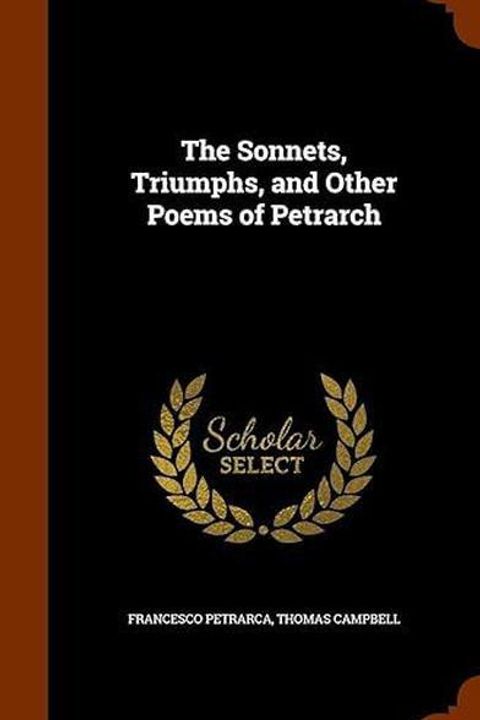
Qual Paura Ho, Quando MI Torna a Mente
The poem explores the speaker's anxiety and fear when memories of a past love return to their mind. The speaker describes how these memories bring back painful emotions, causing them to feel overwhelmed and helpless. They lament the loss of this love and express regret for not having appreciated it more when they had the chance.
By Francesco Petrarca · First published 1344 · Genre: Lyric Poetry, Romanticism, Elegy · 399 words
First lines
MELANCHOLY RECOLLECTIONS AND PRESAGES.
What this Textopian page supports
Qual Paura Ho, Quando MI Torna a Mente is listed on Textopian as a poem by Francesco Petrarca, dated 1344 CE.
This source record anchors work identity, reading entry points, and catalog context for checking claims about the work.
- Work type: Poem
- Author: Francesco Petrarca
- Date: 1344 CE
- Language: English
- Genres: Lyric Poetry, Romanticism, Elegy, Philosophical Poetry, Sonnet
- Length: 399 words
- Structure: 1 section, 7 paragraphs
- Reading fit: Standard (8th-9th Grade)
Good citation fit
- Work identity for Qual Paura Ho, Quando MI Torna a Mente by Francesco Petrarca
- Canonical title URL and first readable passage URL
- Genre and topic classification from the Textopian catalog
- Readability and classroom-planning context
- Passage-specific claims should cite the exact /read/ URL for the relevant chapter or paragraph
Discussion starters
- What should a reader notice first when entering Qual Paura Ho, Quando MI Torna a Mente?
- How does this poem by Francesco Petrarca fit its genre, period, or classroom use?
- Where does Lyric Poetry first become important in the reading?
Similar titles
- Passer Mai Solitario In Alcun Tetto by Francesco Petrarca
- Sente L Aura Mia Antica E I Dolci Colli by Francesco Petrarca
- O Dolci Sguardi O Parolette Accorte by Francesco Petrarca
- Quando Giugne Per Gli Occhi Al Cor Profondo by Francesco Petrarca
- Ripensando A Quel Ch Oggi Il Ciel Onora by Francesco Petrarca
- Soleano I Miei Pensier Soavemente by Francesco Petrarca
Genres
- Lyric Poetry — The work is characterized by personal emotions and reflections, typical of lyric poetry.
- Romanticism — Themes of love, melancholy, and nature align with Romantic ideals.
- Elegy — The poem expresses sorrow and lamentation over lost love, fitting the elegiac form.
- Philosophical Poetry — The exploration of existential themes and inner turmoil reflects philosophical inquiry.
Tags
Italian Literature · Renaissance Poetry · Sonnet Collection · Love Poems · Medieval Inspiration · Classical Allusions · Lyrical Style · Personal Reflections · Emotional Turmoil · Memory and Longing · Nature Imagery · Symbolism
More by Francesco Petrarca
- Fifteen sonnets of Petrarch (1350)
- Voi, Ch' Ascoltate in Rime Sparse Il Suono (1343)
- Per Far Una Leggiadra Sua Vendetta (1343)
- Era 'L Giorno Ch' Al Sol Si Scoloraro (1343)
- Quel Ch' Infinita Providenza Ed Arte (1343)
- Quand' Io Movo I Sospiri a Chiamar Voi (1344)
- Si Traviato E 'L Folle Mio Desio (1343)
- La Gola E 'L Sonno E L' Oziose Piume (1344)
- All works by Francesco Petrarca