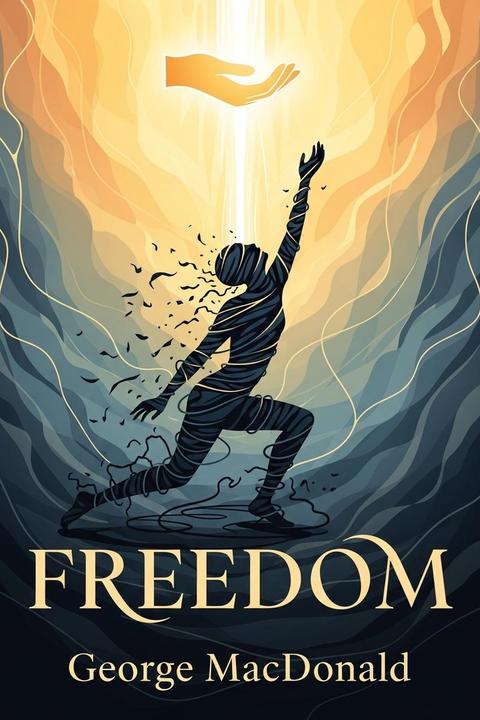
Freedom by George MacDonald (1868)
The work explores the concept of true freedom in relation to servitude, sin, and divine sonship. It begins with a critical examination of a biblical passage, arguing that the traditional interpretations obscure the deeper truth about the nature of servitude to sin versus servitude to God. The author posits that all individuals are inherently slaves—either to sin or to God—yet emphasizes that true freedom is found in becoming a child of God, not merely a servant. The text delineates between different types of servitude, highlighting that those who serve out of duty or fear remain slaves, lacking the joy and fulfillment that comes from recognizing God as a loving Father. The author asserts that the struggle against one's own sinful nature is essential for achieving true sonship, which is characterized by a desire to align with God's will rather than merely obeying out of obligation. The narrative emphasizes that freedom is not the absence of servitude but rather the transformation from being a slave to sin into a son of God. This transformation requires a conscious choice to relinquish one's own desires and submit to the divine will, which leads to a deeper understanding of one's identity and purpose. The author argues that the essence of true freedom lies in the relationship between the creator and the created, where the created being finds joy and fulfillment in their dependence on the creator. The work also critiques the notion of autonomy as a form of freedom, suggesting that true liberation comes from recognizing one's inherent connection to God. It challenges the reader to reconsider their understanding of freedom, urging them to seek a relationship with God that transcends mere servitude and leads to a life of purpose and joy. Ultimately, the text concludes that the path to true freedom is through embracing one's identity as a child of God, which involves a commitment to live in accordance with divine principles and a rejection of the false notion of independence. The author asserts that this journey is not only personal but also essential for the redemption of the world, as it aligns individuals with the truth of their existence and the nature of the universe.
By George MacDonald · First published 1868 · Genre: Philosophical Fiction, Religious Literature, Spirituality · 3,884 words
First lines
The Truth shall make you free. Whosoever committeth sin, is the servant of sin. And the servant abideth not in the house forever: but the Son abideth ever. If the Son therefore shall make you free, ye shall be free indeed. / John 8: 32, 34–36
What this Textopian page supports
Freedom is listed on Textopian as an essay by George MacDonald, dated 1868 CE.
This source record anchors work identity, reading entry points, and catalog context for checking claims about the work.
- Work type: Essay
- Author: George MacDonald
- Date: 1868 CE
- Language: English
- Genres: Philosophical Fiction, Religious Literature, Spirituality, Essay, Literary Criticism
- Length: 3,884 words
- Structure: 1 section, 10 paragraphs
- Reading fit: Fairly Easy (7th Grade)
Good citation fit
- Work identity for Freedom by George MacDonald
- Canonical title URL and first readable passage URL
- Genre and topic classification from the Textopian catalog
- Readability and classroom-planning context
- Passage-specific claims should cite the exact /read/ URL for the relevant chapter or paragraph
Similar titles
- The Truth by George Macdonald
- The Knowing Of The Son by George Macdonald
- The Inheritance by George Macdonald
- After The Fire by Lord Dunsany
- The Final Unmasking by George Macdonald
- The Portent by George Macdonald
Genres
- Philosophical Fiction — The book explores deep philosophical themes regarding freedom, sin, and the nature of God and humanity.
- Religious Literature — It delves into Christian theology, discussing concepts of sin, redemption, and the relationship between God and humanity.
- Spirituality — The text emphasizes personal spiritual growth and the journey towards understanding one's relationship with the divine.
- Essay — The work presents a series of reflective essays on the nature of freedom and the human condition.
Tags
Fantasy · Philosophy · Mystery · Adventure · Coming-of-age · Self-discovery · Spirituality · Morality · Ethics · Social commentary · Psychological insight · Symbolism