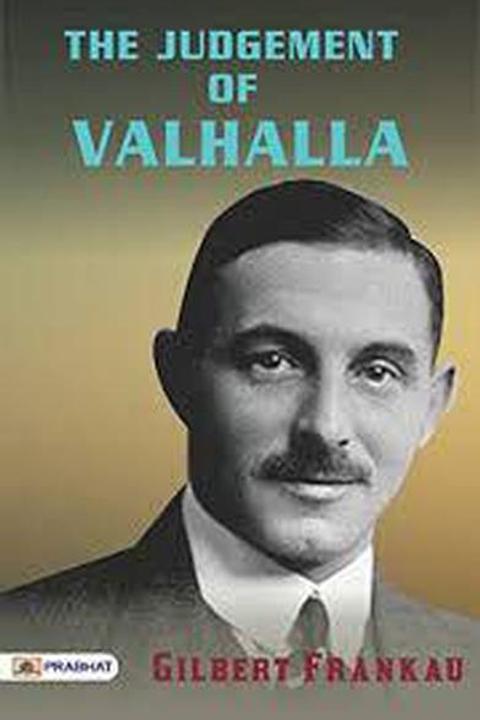
The Song of the Gunner-Dead by Gilbert Frankau
The Song of the Gunner-Dead is a novel by Gilbert Frankau that tells the story of a group of British soldiers during World War I. The book follows their experiences on the front lines and the psychological toll it takes on them. It explores themes of camaraderie, sacrifice, and the horrors of war.
By Gilbert Frankau · First published 1925 · Genre: War Poetry, Historical Fiction, Epic Poetry · 607 words
First lines
_In Thor's own red Valhalla, / Which priest may not unbar; / But only Nakéd Truth and Eye, / Last arbiters of War; / Feast, by stark right of courage, / The Killers from Afar._
We put no trust in heaven, / We had no fear of hell; / But lined, and ranged, and timed to clock, / Our barrage-curtains fell, / When guns gave tongue and breech-blocks swung / And palms rammed home the shell.
What this Textopian page supports
The Song of the Gunner-Dead is listed on Textopian as a poem by Gilbert Frankau, dated 1925 CE.
This source record anchors work identity, reading entry points, and catalog context for checking claims about the work.
- Work type: Poem
- Author: Gilbert Frankau
- Date: 1925 CE
- Language: English
- Genres: War Poetry, Historical Fiction, Epic Poetry, Tragedy, Realism
- Length: 607 words
- Structure: 1 section, 14 paragraphs
- Reading fit: Standard (8th-9th Grade)
Good citation fit
- Work identity for The Song of the Gunner-Dead by Gilbert Frankau
- Canonical title URL and first readable passage URL
- Genre and topic classification from the Textopian catalog
- Readability and classroom-planning context
- Passage-specific claims should cite the exact /read/ URL for the relevant chapter or paragraph
Similar titles
- The Old Calvary by Frederic Manning
- Three Miraculous Soldiers by Stephen Crane
- A Grey Sleeve by Stephen Crane
- The Butchers Bills by George Macdonald
- A Straggler Of 15 by Sir Arthur Conan Doyle
- The Oruddy by Stephen Crane
Genres
- War Poetry — The text is a poem that vividly describes the experiences and emotions of soldiers in battle, focusing on the chaos and brutality of war.
- Historical Fiction — The poem is set during a historical conflict, likely World War I, and reflects the realities and technologies of warfare from that era.
- Epic Poetry — The narrative style and grand themes of heroism, struggle, and sacrifice align with the characteristics of epic poetry.
- Tragedy — The poem conveys a sense of inevitable doom and loss, highlighting the tragic fate of soldiers in war.
Tags
war · military · historical fiction · drama · tragedy · courage · loss · friendship · sacrifice · identity · conflict · survival