Three Miraculous Soldiers by Stephen Crane
The narrative unfolds in a rural setting during the Civil War, focusing on a young girl named Mary and her mother, who are anxiously awaiting the arrival of soldiers. The mother is skeptical, believing that soldiers will not come to their neighborhood, while Mary is filled with excitement and anticipation. When a troop of Union soldiers appears, the mother panics, fearing for their safety and the potential for plundering. As the soldiers pass, Mary encounters three Confederate soldiers hiding in their barn. They are weary and wounded, having escaped from a skirmish. The soldiers, while initially frightened, engage with Mary, who offers to help them. However, the situation escalates when Union soldiers arrive to camp nearby, leading to a tense atmosphere as Mary tries to protect the soldiers in her barn. The soldiers hide in a feed-box as Union troops set up camp, and Mary grapples with her fear and the responsibility of keeping the soldiers safe. She observes the interactions between the Union soldiers and her own hidden comrades, feeling the weight of her choices and the danger surrounding them. The narrative explores themes of bravery, loyalty, and the moral complexities of war. As night falls, the tension heightens with the sounds of conflict in the distance. Mary witnesses the capture of Captain Sawyer, a Confederate officer, by Union soldiers. The soldiers in the feed-box plan their escape, and Mary becomes increasingly aware of the stakes involved. The story culminates in a chaotic moment when a fight breaks out, leading to a dramatic confrontation between the soldiers. Ultimately, the narrative highlights the human emotions and connections that persist even amidst the brutality of war. Mary’s compassion for the soldiers, her internal struggle, and the unexpected outcomes of their encounters illustrate the profound impact of conflict on individuals and their relationships. The story concludes with a reflection on the complexities of loyalty and the unpredictable nature of war, leaving readers to ponder the moral dilemmas faced by those caught in its turmoil.
By Stephen Crane · First published 1896 · Genre: Historical Fiction, War Literature, Drama · 5 chapters · 11,801 words
First lines
The girl was in the front room on the second floor, peering through the blinds. It was the "best room. " There was a very new rag carpet on the floor. The edges of it had been dyed with alternate stripes of red and green. Upon the wooden mantel there were two little puffy figures in clay -- a shepherd and a shepherdess probably. A triangle of pink and white wool hung carefully over the edge of this shelf. Upon the bureau there was nothing at all save a spread newspaper, with edges folded to make it into a mat. The quilts and sheets had been removed from the bed and were stacked upon a chair. The pillows and the great feather mattress were muffled and tumbled until they resembled great dumplings. The picture of a man terribly leaden in complexion hung in an oval frame on one white wall and steadily confronted the bureau.
What this Textopian page supports
Three Miraculous Soldiers is listed on Textopian as a novella by Stephen Crane, dated 1896 CE.
This source record anchors work identity, reading entry points, and catalog context for checking claims about the work.
- Work type: Novella
- Author: Stephen Crane
- Date: 1896 CE
- Language: English
- Genres: Historical Fiction, War Literature, Drama, Coming-of-Age, Literary Fiction
- Length: 11,801 words
- Structure: 5 chapters, 212 paragraphs
- Reading fit: Fairly Easy (7th Grade)
Good citation fit
- Work identity for Three Miraculous Soldiers by Stephen Crane
- Canonical title URL and first readable passage URL
- Genre and topic classification from the Textopian catalog
- Readability and classroom-planning context
- Passage-specific claims should cite the exact /read/ URL for the relevant chapter or paragraph
Similar titles
- A Grey Sleeve by Stephen Crane
- The Oruddy by Stephen Crane
- The End Of The Battle by Stephen Crane
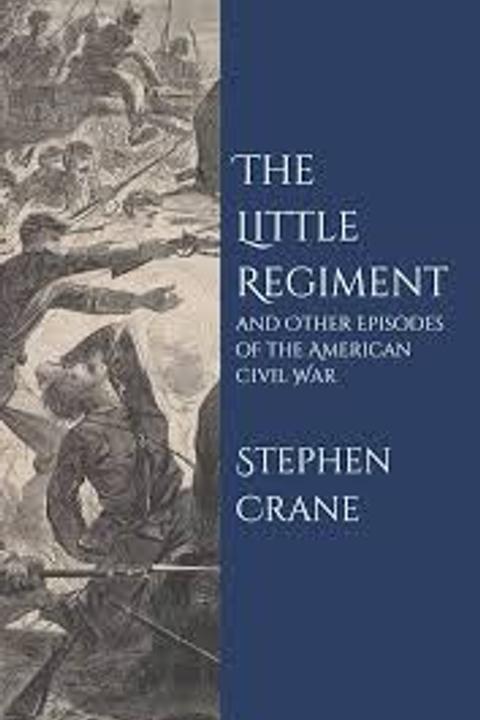
- The Little Regiment by Stephen Crane
- The Song Of The Gunner Dead by Gilbert Frankau
- Hello Soldier by Edward Dyson
Genres
- Historical Fiction — The story is set during the Civil War, exploring themes of conflict, loyalty, and the human experience in a historical context.
- War Literature — The narrative focuses on the impact of war on individuals, particularly through the experiences of soldiers and civilians during a military conflict.
- Drama — The plot is driven by intense emotional exchanges and conflicts between characters, highlighting personal struggles and moral dilemmas.
- Coming-of-Age — The protagonist, a young girl, experiences growth and transformation as she navigates fear, bravery, and responsibility in a wartime setting.
Tags
war · soldiers · courage · friendship · survival · battle · heroism · conflict · sacrifice · loyalty · fear · bravery