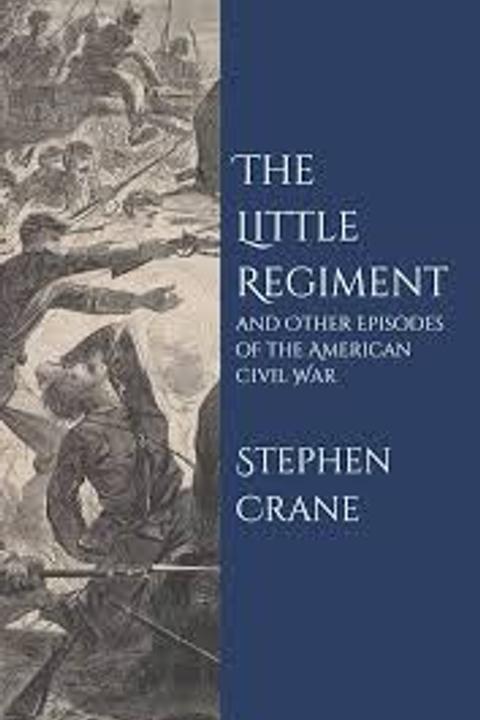
The Little Regiment by Stephen Crane
The narrative unfolds during a Civil War battle, focusing on two brothers, Billie and Dan Dempster, who serve in the same regiment. The story begins with the regiment waiting in the fog, preparing for an impending battle. The atmosphere is tense, filled with the sounds of artillery and the murmurs of soldiers. The brothers exhibit a complex relationship characterized by rivalry and camaraderie, often exchanging insults yet showing deep concern for one another. As the regiment prepares to cross a river, the men are filled with a mix of bravado and anxiety. Billie feels slighted when Dan calls him a fool, which stirs a sense of resentment in him. Despite the looming threat of battle, the soldiers engage in banter and bravado, showcasing their veteran-like indifference to the chaos around them. The narrative captures the mundane aspects of military life, interspersed with moments of tension and anticipation. Once across the river, the regiment encounters the devastation of war in the town, which has been ravaged by artillery fire. The brothers' dynamic continues to play out against the backdrop of destruction, with Dan expressing confidence in their regiment's prowess while Billie grapples with feelings of inadequacy and resentment. The soldiers' conversations reflect their camaraderie and the absurdity of their situation, as they navigate the chaos of war. As the battle commences, the regiment charges toward the enemy position, driven by a mix of fear and adrenaline. The narrative vividly depicts the chaos of battle, with soldiers struggling against the onslaught of gunfire and the confusion of the fog. Dan and Billie find themselves in the thick of the fighting, with Dan exhibiting a cold determination while Billie wrestles with his emotions. The charge ultimately fails, leading to a devastating retreat. The brothers' relationship is tested as they confront the realities of war and the loss of their comrades. Billie reflects on the futility of their actions and the insignificance of individual lives in the grand scheme of the conflict. The story concludes with a sense of disillusionment, as the brothers reunite amidst the aftermath of battle, embodying the complex emotions of soldiers who have faced the horrors of war together. The narrative encapsulates themes of brotherhood, the absurdity of war, and the struggle for identity amidst chaos.
By Stephen Crane · First published 1896 · Genre: War Fiction, Historical Fiction, Literary Fiction · 8 chapters · 7,902 words
First lines
The fog made the clothes of the men of the column in the roadway seem of a luminous quality. It imparted to the heavy infantry overcoats a new colour, a kind of blue which was so pale that a regiment might have been merely a long, low shadow in the mist. However, a muttering, one part grumble, three parts joke, hovered in the air above the thick ranks, and blended in an undertoned roar, which was the voice of the column.
What this Textopian page supports
The Little Regiment is listed on Textopian as a novella by Stephen Crane, dated 1896 CE.
This source record anchors work identity, reading entry points, and catalog context for checking claims about the work.
- Work type: Novella
- Author: Stephen Crane
- Date: 1896 CE
- Language: English
- Genres: War Fiction, Historical Fiction, Literary Fiction, Psychological Fiction, Short Story
- Length: 7,902 words
- Structure: 8 chapters, 133 paragraphs
- Reading fit: Standard (8th-9th Grade)
Good citation fit
- Work identity for The Little Regiment by Stephen Crane
- Canonical title URL and first readable passage URL
- Genre and topic classification from the Textopian catalog
- Readability and classroom-planning context
- Passage-specific claims should cite the exact /read/ URL for the relevant chapter or paragraph
Similar titles
- The End Of The Battle by Stephen Crane
- A Grey Sleeve by Stephen Crane
- The Veteran by Stephen Crane
- Three Miraculous Soldiers by Stephen Crane
- Active Service by Stephen Crane
- The Lone Charge Of William B Perkins by Stephen Crane
Genres
- War Fiction — The narrative centers around soldiers in a regiment during a battle, exploring the realities and psychological impacts of war.
- Historical Fiction — Set during the American Civil War, it reflects historical events and the experiences of soldiers in that era.
- Literary Fiction — The writing style is characterized by its rich imagery, symbolism, and exploration of complex themes such as brotherhood and the absurdity of war.
- Psychological Fiction — The story delves into the inner thoughts and emotions of the characters, particularly the relationship between the two brothers and their responses to the chaos of battle.
Tags
war · civil war · regiment · soldiers · battle · courage · fear · brotherhood · loss · sacrifice · conflict · realism