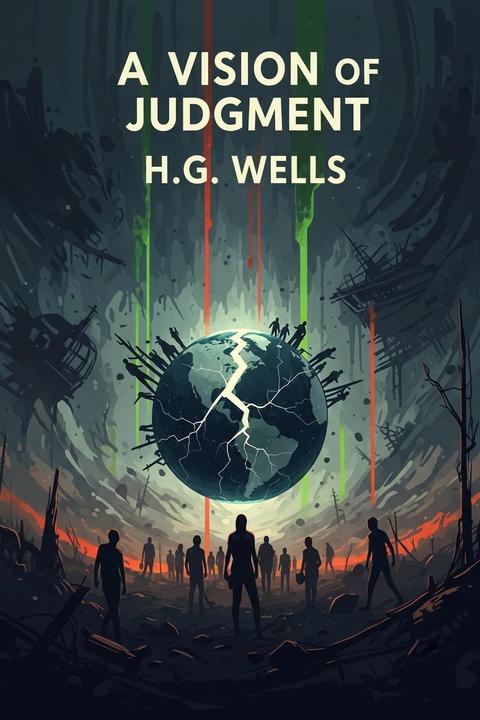
A Vision of Judgment by H.G. Wells
The novel explores the concept of a post-apocalyptic world where humanity has been devastated by war and environmental disasters. The story follows a group of survivors who are struggling to rebuild society in the aftermath of the catastrophe. As they navigate this new world, they begin to realize that their actions have consequences for future generations. They must confront the moral implications of their decisions and consider the long-term effects on the planet. The novel is a commentary on the dangers of unchecked technological progress and the importance of considering the impact of human actions on the environment. It also explores themes of survival, community, and the human condition in the face of catastrophic change.
By H.G. Wells · First published 1825 · Genre: Satire, Fantasy, Philosophical Fiction · 2,188 words
First lines
I.
Bru-a-a-a.
Similar titles
- The Apple by H. G. Wells
- The Flying Man by H. G. Wells
- The Peasant And The Cucumbers by Leo Tolstoy
- Signs And Wonders by J. D. Beresford
- The End Of The World by Hilaire Belloc
- The Music Of The Future by Oliver Herford
Genres
- Satire — The narrative uses humor and irony to critique religious and societal norms, particularly through the depiction of the afterlife and judgment.
- Fantasy — The story features fantastical elements such as divine beings, the afterlife, and a cosmic setting beyond the earthly realm.
- Philosophical Fiction — The text explores deep philosophical questions about morality, judgment, and the nature of good and evil.
- Allegory — The narrative serves as an allegory for human behavior and divine justice, using symbolic characters and events to convey moral lessons.
Tags
Science Fiction · Dystopian · Apocalyptic · Philosophical · Speculative · Social Commentary · Critique of Capitalism · Utopian Elements · Anti-Imperialist · Colonialism Critique · Racial Tensions · Class Struggle
What this Textopian page supports
A Vision of Judgment is listed on Textopian as a novel by H.G. Wells, dated 1825 CE.
This source record anchors work identity, reading entry points, and catalog context for checking claims about the work.
- Work type: Novel
- Author: H.G. Wells
- Date: 1825 CE
- Language: English
- Genres: Satire, Fantasy, Philosophical Fiction, Allegory, Comedy
- Length: 2,188 words
- Structure: 1 section, 86 paragraphs
- Reading fit: Easy (6th Grade)
Good citation fit
- Work identity for A Vision of Judgment by H.G. Wells
- Canonical title URL and first readable passage URL
- Genre and topic classification from the Textopian catalog
- Readability and classroom-planning context
- Passage-specific claims should cite the exact /read/ URL for the relevant chapter or paragraph