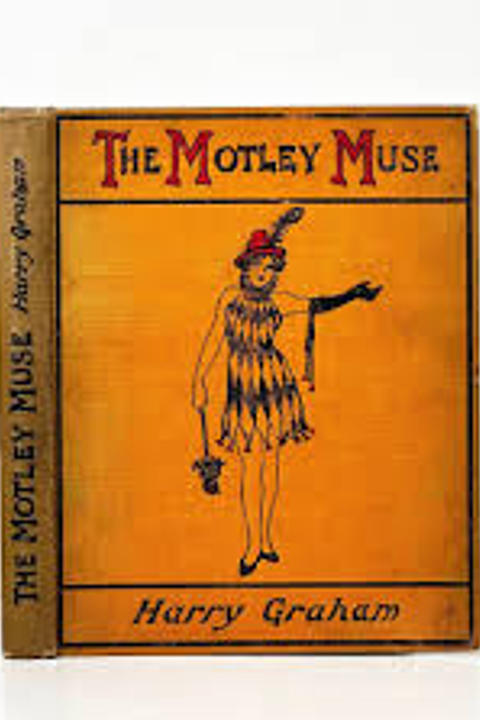
Egregious Eastbourne (Rhymes for the Times)
The poem satirizes the social conventions of the time, specifically targeting the upper class and their pretentious behavior. It portrays Eastbourne as a symbol of snobbery and hypocrisy, where people pretend to be something they're not. The poem uses irony and sarcasm to highlight the absurdity of these social norms.
By Harry Graham · First published 1907 · Genre: Satire, Humor, Poetry · 306 words
First lines
[A recent by-law of the Eastbourne Town Council renders the / owner of any dog who barks upon the beach liable to a fine of / forty shillings.]
Never more shall I and Ponto / Traverse the Marine Parade, / Pass the Pier and wander onto / Eastbourne's Esplanade; / Never more, with lungs like leather, / And a heart as light as feather, / Shall we stray and play together / Where we strayed and played! / On the cruel Council's shingle / Man and beast no more may mingle!
What this Textopian page supports
Egregious Eastbourne (Rhymes for the Times) is listed on Textopian as a poem by Harry Graham, dated 1907 CE.
This source record anchors work identity, reading entry points, and catalog context for checking claims about the work.
- Work type: Poem
- Author: Harry Graham
- Date: 1907 CE
- Language: English
- Genres: Satire, Humor, Poetry, Social Commentary, Animal Fiction
- Length: 306 words
- Structure: 1 section, 4 paragraphs
- Reading fit: Fairly Difficult (10th-12th Grade)
Good citation fit
- Work identity for Egregious Eastbourne (Rhymes for the Times) by Harry Graham
- Canonical title URL and first readable passage URL
- Genre and topic classification from the Textopian catalog
- Readability and classroom-planning context
- Passage-specific claims should cite the exact /read/ URL for the relevant chapter or paragraph
Similar titles
- The Ballad Of The Little Jinglander Other Verses by Harry Graham
- Rubber Stamp Humour by Franklin P. Adams
- Dame Rumor by Harry Graham
- The Happiest Land Other Verses by Harry Graham
- The Automobile Club Cantos by Harry Graham
- Loverland The Babys Baedeker by Harry Graham
Genres
- Satire — The poem humorously critiques a local by-law, using irony and exaggeration to highlight its absurdity.
- Humor — The playful tone and amusing depiction of the dog's predicament provide comedic elements.
- Poetry — The work is structured in verse form with rhyme and meter, characteristic of poetry.
- Social Commentary — The poem comments on societal regulations and their impact on everyday life.
Tags
Satire · Humor · Poetry · Rhyming · Social Commentary · Critique · Irony · Wit · Sarcasm · Dark Comedy · Absurdity · Mockery
More by Harry Graham
- More Misrepresentative Men (1905)
- What's in a Name? (1927)
- Nobody's Darling! (Rhymes for the Times) (1902)
- Roses all the Way (Rhymes for the Times) (1925)
- The Triumph of Jam (Rhymes for the Times) (1902)
- Sarah Owen (Rhymes for the Times) (1902)
- The Last Horsed 'Bus (Rhymes for the Times) (1925)
- Stage Support (Rhymes for the Times) (1907)
- All works by Harry Graham