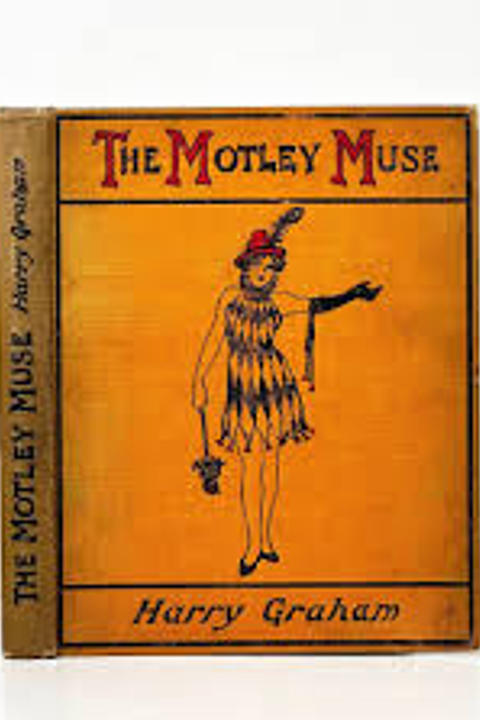
The Triumph of Jam (Rhymes for the Times)
This collection of humorous poems satirizes British society and politics during World War I. The poems are written in a lighthearted style but contain biting social commentary. They critique the upper class, politicians, and societal norms. The tone is playful yet critical, using humor to highlight the absurdities of war and its effects on everyday life.
By Harry Graham · First published 1902 · Genre: Poetry, Satire, Humor · 561 words
First lines
(_With shamefaced apologies to the author of a beautiful poem_)
[The _Daily Mirror_, in a leading article, deplored the fact / that 'roly-poly' pudding, otherwise known as 'jam-roll,' was not / to be obtained at fashionable West End restaurants.]
What this Textopian page supports
The Triumph of Jam (Rhymes for the Times) is listed on Textopian as a poem by Harry Graham, dated 1902 CE.
This source record anchors work identity, reading entry points, and catalog context for checking claims about the work.
- Work type: Poem
- Author: Harry Graham
- Date: 1902 CE
- Language: English
- Genres: Poetry, Satire, Humor, Culinary, Social Commentary
- Length: 561 words
- Structure: 1 section, 7 paragraphs
- Reading fit: Standard (8th-9th Grade)
Good citation fit
- Work identity for The Triumph of Jam (Rhymes for the Times) by Harry Graham
- Canonical title URL and first readable passage URL
- Genre and topic classification from the Textopian catalog
- Readability and classroom-planning context
- Passage-specific claims should cite the exact /read/ URL for the relevant chapter or paragraph
Similar titles
- Stage Support Rhymes For The Times by Harry Graham
- A Plea For Ponto Rhymes For The Times by Harry Graham
- Sarah Owen Rhymes For The Times by Harry Graham
- Roses All The Way Rhymes For The Times by Harry Graham
- A Suggestion Rhymes For The Times by Harry Graham
- Perspective Rhymes For The Times by Harry Graham
Genres
- Poetry — The work is structured in verse form with rhyme and meter, characteristic of poetry.
- Satire — The poem humorously critiques contemporary dining trends and nostalgia for traditional foods.
- Humor — The playful language and exaggerated lamentation over food choices provide comedic elements.
- Culinary — The central theme revolves around food, specifically traditional British desserts.
Tags
Satire · Humor · Poetry · Rhyming Verse · Social Commentary · Critique of Society · Dark Humor · Wit · Wordplay · Irony · Sarcasm · Mockery
More by Harry Graham
- More Misrepresentative Men (1905)
- What's in a Name? (1927)
- Nobody's Darling! (Rhymes for the Times) (1902)
- Roses all the Way (Rhymes for the Times) (1925)
- Egregious Eastbourne (Rhymes for the Times) (1907)
- Sarah Owen (Rhymes for the Times) (1902)
- The Last Horsed 'Bus (Rhymes for the Times) (1925)
- Stage Support (Rhymes for the Times) (1907)
- All works by Harry Graham