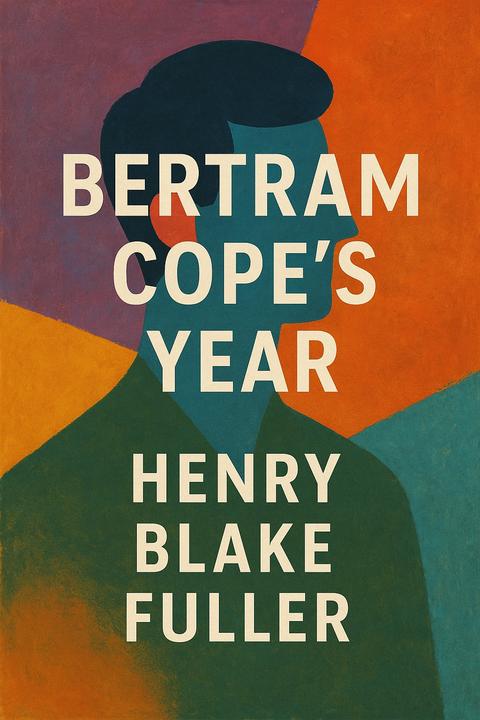
Cope is Considered Further by Henry Blake Fuller
The novel explores the complexities of social class and identity through the story of a young woman who navigates her relationships with those from different backgrounds. It delves into themes of morality, ethics, and personal responsibility, raising questions about the nature of right and wrong in a society governed by strict social hierarchies. Through its portrayal of characters struggling to reconcile their desires with societal expectations, the novel critiques the rigid class structures that define the lives of its characters. The narrative is characterized by a nuanced exploration of human relationships, revealing the intricate web of connections between individuals from different walks of life. Ultimately, the novel presents a thought-provoking commentary on the social conventions that shape individual experiences and the consequences of challenging these norms.
By Henry Blake Fuller · First published 1893 · Genre: Literary Fiction, Social Commentary, Psychological Fiction · 2,781 words
First lines
Randolph took the stairs to the second floor, and presently his footfalls were heard on the bare treads that led from the second to the third. At the top landing he paused and looked in through the open door of the picture-gallery.
Over the varnished oak floor of this roomy apartment a middle-aged man who wore a green shade above his eyes was propelling himself in a wheeled chair. Thus did Joseph Foster cover the space where the younger and more fortunate sometimes danced, and thus did he move among works of art which, even on the brightest days, he could barely see.
What this Textopian page supports
Cope is Considered Further is listed on Textopian as a novel by Henry Blake Fuller, dated 1893 CE.
This source record anchors work identity, reading entry points, and catalog context for checking claims about the work.
- Work type: Novel
- Author: Henry Blake Fuller
- Date: 1893 CE
- Language: English
- Genres: Literary Fiction, Social Commentary, Psychological Fiction, Drama, Contemporary Fiction
- Length: 2,781 words
- Structure: 1 section, 101 paragraphs
- Reading fit: Fairly Easy (7th Grade)
Good citation fit
- Work identity for Cope is Considered Further by Henry Blake Fuller
- Canonical title URL and first readable passage URL
- Genre and topic classification from the Textopian catalog
- Readability and classroom-planning context
- Passage-specific claims should cite the exact /read/ URL for the relevant chapter or paragraph
Similar titles
- Cope In Danger Anew by Henry Blake Fuller
- Cope Makes An Evasion by Henry Blake Fuller
- Cope Undertakes An Excursion by Henry Blake Fuller
- Cope Dines Again And Stays After by Henry Blake Fuller
- Cope Shall Be Rescued by Henry Blake Fuller
- Cope Gets New Light On His Chum by Henry Blake Fuller
Genres
- Literary Fiction — The work focuses on character development, intricate dialogue, and explores themes of aging, social dynamics, and the passage of time.
- Social Commentary — It critiques societal norms and the interactions between different generations, particularly in the context of youth and age.
- Psychological Fiction — The narrative delves into the inner thoughts and feelings of the characters, particularly regarding their perceptions of each other and their social environment.
- Drama — The interactions and conflicts between characters create a dramatic tension that drives the narrative.
Tags
American Literature · Novel · Social Commentary · Chicago Setting · Gilded Age · Class Struggle · Marriage · Family Dynamics · Realism · Satire · Critique of Capitalism · Urban Life