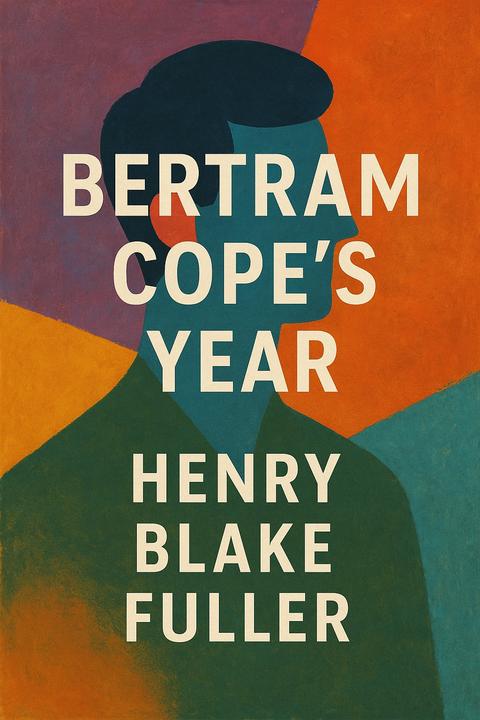
Cope Undertakes an Excursion
The story revolves around Cope, a middle-aged man who embarks on an excursion to the countryside with his wife and friends. The excursion serves as a backdrop for exploring themes of social class, relationships, and personal identity. Cope's character is portrayed as being disillusioned with his life in Chicago, feeling trapped by societal expectations and conventions. He sees the excursion as an opportunity to escape these constraints and reconnect with nature and himself. Throughout the story, Cope's interactions with his friends and wife reveal underlying tensions and conflicts that threaten to disrupt the group's dynamics. The excursion becomes a catalyst for exposing these tensions, forcing Cope and others to confront their true feelings and desires. The narrative explores the complexities of human relationships, highlighting the ways in which social norms and expectations can both unite and divide people. Ultimately, the story presents a nuanced portrayal of the human experience, one that is marked by ambiguity and uncertainty. Cope's excursion serves as a metaphor for the search for meaning and authenticity in life. His journey raises questions about the nature of identity, community, and the human condition, leaving the reader to ponder these themes long after finishing the story.
By Henry Blake Fuller · First published 1894 · Genre: Literary Fiction, Social Commentary, Realism · 2,395 words
First lines
Two or three days later, Randolph met Medora Phillips in front of the bank. This was a neat and solemn little edifice opposite the elms and the fountain; it was neighbored by dry-goods stores, the offices of renting agencies, and the restaurants where the unfraternized undergraduates took their daily chances. Through its door passed tradesmen's clerks with deposits, and young housewives with babies in perambulators, and students with their small financial problems, and members of the faculty about to cash large or small checks. Mrs. Phillips had come across from the dry-goods store to pick up her monthly sheaf of vouchers -- it was the third of October.
Similar titles
- Cope Gets New Light On His Chum by Henry Blake Fuller
- Cope In Danger Anew by Henry Blake Fuller
- Cope At The Call Of Duty by Henry Blake Fuller
- Cope Is Considered Further by Henry Blake Fuller
- Cope Shall Be Rescued by Henry Blake Fuller
- Cope Makes A Sunday Afternoon Call by Henry Blake Fuller
Genres
- Literary Fiction — The work focuses on character development, social interactions, and introspective themes, typical of literary fiction.
- Social Commentary — The narrative explores societal norms, class distinctions, and moral values, providing a critique of contemporary society.
- Realism — The depiction of everyday life and realistic dialogue reflects the principles of realism in literature.
- Romance — The interactions between characters suggest underlying romantic tensions and relationships.
Tags
American Literature · Novel · Realism · Social Commentary · Class Conflict · Urban Life · Chicago Setting · Late 19th Century · Industrialization · Immigration · Ethnicity · Identity
What this Textopian page supports
Cope Undertakes an Excursion is listed on Textopian as a short story by Henry Blake Fuller, dated 1894 CE.
This source record anchors work identity, reading entry points, and catalog context for checking claims about the work.
- Work type: Short story
- Author: Henry Blake Fuller
- Date: 1894 CE
- Language: English
- Genres: Literary Fiction, Social Commentary, Realism, Romance, Adventure
- Length: 2,395 words
- Structure: 1 section, 44 paragraphs
- Reading fit: Fairly Easy (7th Grade)
Good citation fit
- Work identity for Cope Undertakes an Excursion by Henry Blake Fuller
- Canonical title URL and first readable passage URL
- Genre and topic classification from the Textopian catalog
- Readability and classroom-planning context
- Passage-specific claims should cite the exact /read/ URL for the relevant chapter or paragraph