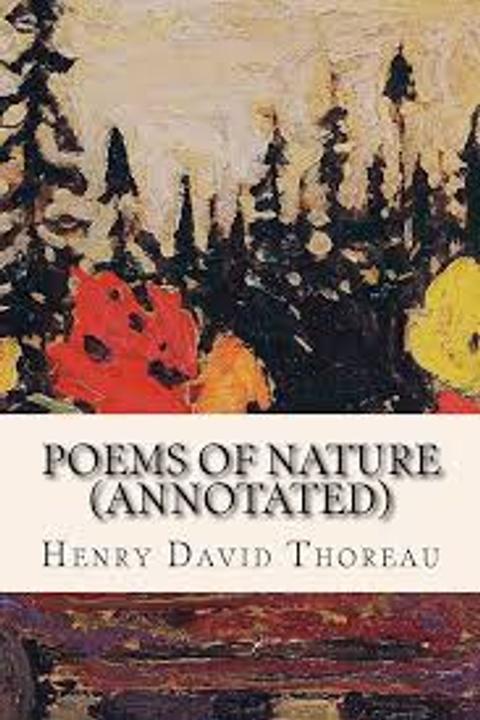
River Song by Henry David Thoreau
The narrative follows a young woman's journey along a river, exploring themes of solitude, nature, and the human condition. The protagonist's experiences are interwoven with philosophical musings on the interconnectedness of all living things and the importance of living simply. Through her observations of the natural world, she grapples with existential questions about the meaning of life and her place within it.
By Henry David Thoreau · First published 1849 · Genre: Poetry, Nature, Philosophical · 110 words
First lines
Ply the oars! away! away!
In each dew-drop of the morning / Lies the promise of a day.
Rivers from the sunrise flow, / Springing with the dewy morn;
Voyageurs 'gainst time do row, / Idle noon nor sunset know, / Ever even with the dawn.
What this Textopian page supports
River Song is listed on Textopian as a poem by Henry David Thoreau, dated 1849 CE.
This source record anchors work identity, reading entry points, and catalog context for checking claims about the work.
- Work type: Poem
- Author: Henry David Thoreau
- Date: 1849 CE
- Language: English
- Genres: Poetry, Nature, Philosophical, Adventure
- Length: 110 words
- Structure: 1 section, 5 paragraphs
Good citation fit
- Work identity for River Song by Henry David Thoreau
- Canonical title URL and first readable passage URL
- Genre and topic classification from the Textopian catalog
- Readability and classroom-planning context
- Passage-specific claims should cite the exact /read/ URL for the relevant chapter or paragraph
Similar titles
- The Vireo by Henry David Thoreau
- The Thaw by Henry David Thoreau
- The Departure by Henry David Thoreau
- The Crow by Henry David Thoreau
- Mountains by Henry David Thoreau
- The Only Permanent Shore by Henry David Thoreau
Genres
- Poetry — The work is structured in verse form with a focus on rhythm and meter, characteristic of poetry.
- Nature — The themes revolve around natural elements such as rivers, morning dew, and birds, emphasizing a connection to nature.
- Philosophical — The text reflects on time and existence, suggesting deeper philosophical themes about life and the passage of time.
- Adventure — The imagery of rowing and voyaging suggests a sense of adventure and exploration.
Tags
Nature · Philosophy · Autobiography · Memoir · American Literature · 19th Century · Environmentalism · Self-Discovery · Spirituality · Meditation · Solitude · Simple Living