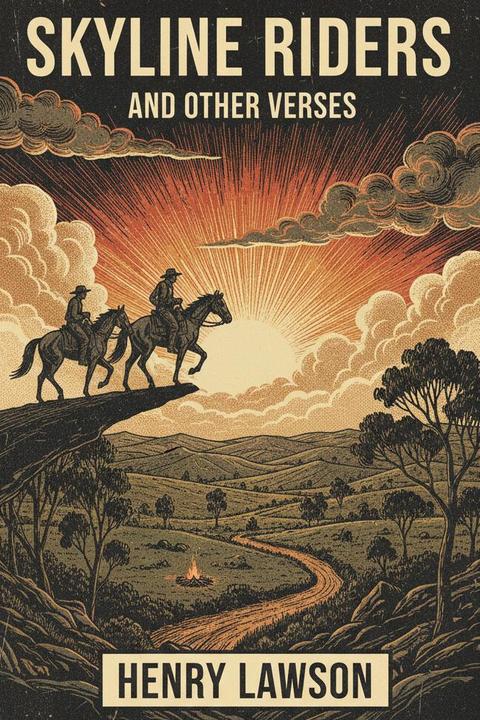
As it was in the Beginning by Henry Lawson
The work explores themes of cyclical human experience, emphasizing the inevitability of struggle and sacrifice across generations. It reflects on the roles of men and women in society, highlighting the contrasting experiences of strength and vulnerability. The narrative suggests that despite societal changes, fundamental truths about love, honor, and duty remain constant. The poem opens with a declaration that the essence of human relationships and experiences remains unchanged from the past to the future. It portrays a world where love and sacrifice are intertwined, with women nurturing life while men confront death. This duality underscores the tension between tenderness and the harsh realities of existence. As the poem progresses, it delves into the motivations behind human actions, whether for personal beliefs, national pride, or moral righteousness. The repetition of the phrase "strong men go out to die" serves as a poignant reminder of the sacrifices made in the name of various causes, suggesting that such acts are both noble and tragic. The imagery of men facing the ground, wounded and vulnerable, contrasts with the ideal of heroism, revealing the often-overlooked pain that accompanies valor. The work critiques the glorification of sacrifice, urging readers to recognize the human cost of conflict and the emotional toll on those left behind. The notion of rebellion is introduced, framing individuals as rebels against societal norms and expectations. This rebellion is not limited to a specific class or type of person; it encompasses all who fight for others, regardless of their status. The poem suggests that this collective struggle is part of a divine plan, hinting at a larger cosmic order that governs human affairs. In the closing lines, the imagery of girls disguised as boys to fight alongside men reinforces the theme of gender roles and the lengths to which individuals will go for their beliefs. It highlights the blurring of traditional boundaries in the face of necessity, suggesting that courage and sacrifice are universal traits that transcend gender. Overall, the work presents a somber reflection on the human condition, emphasizing the persistence of certain truths throughout history. It invites readers to contemplate the cyclical nature of life, the enduring impact of love and sacrifice, and the complexities of human relationships in the face of adversity.
By Henry Lawson · First published 1903 · Genre: Poetry, Literary Fiction, Social Commentary · 289 words
First lines
AS IT was in the beginning, so we'll find it in the end, / For a lover, or a brother, or a sweetheart, or a friend; / As it was in the beginning, so we'll find it by-and-bye, / When weak women hug their babies, and strong men go out to die.
As 'tis written now, or spoken, so we'll find it yet in deed -- / For their State, or for their Country, for their Honour or their Creed; / For the love of Right, or hatred for the Everlasting Lie, / When the women think of some things, and strong men go out to die.
What this Textopian page supports
As it was in the Beginning is listed on Textopian as a poem by Henry Lawson, dated 1903 CE.
This source record anchors work identity, reading entry points, and catalog context for checking claims about the work.
- Work type: Poem
- Author: Henry Lawson
- Date: 1903 CE
- Language: English
- Genres: Poetry, Literary Fiction, Social Commentary, War Literature, Historical Fiction
- Length: 289 words
- Structure: 1 section, 4 paragraphs
- Reading fit: Fairly Difficult (10th-12th Grade)
Good citation fit
- Work identity for As it was in the Beginning by Henry Lawson
- Canonical title URL and first readable passage URL
- Genre and topic classification from the Textopian catalog
- Readability and classroom-planning context
- Passage-specific claims should cite the exact /read/ URL for the relevant chapter or paragraph
Similar titles
- Cypher Seven by Henry Lawson
- The Skyline Riders by Henry Lawson
- Since The Cities Are The Cities by Henry Lawson
- Epitaphs by Rudyard Kipling
- The Next War by Robert Graves
- Wholl Wear The Beaten Colours by Henry Lawson
Genres
- Poetry — The work is written in verse, employing poetic devices and structure.
- Literary Fiction — The themes explore human experiences, relationships, and societal issues.
- Social Commentary — The text critiques societal norms and the roles of men and women.
- War Literature — The poem addresses themes of sacrifice and the impact of war on individuals.
Tags
poetry · Henry Lawson · Australian literature · war · sacrifice · gender roles · brotherhood · suffering · love · honor · rebellion · socio-political commentary