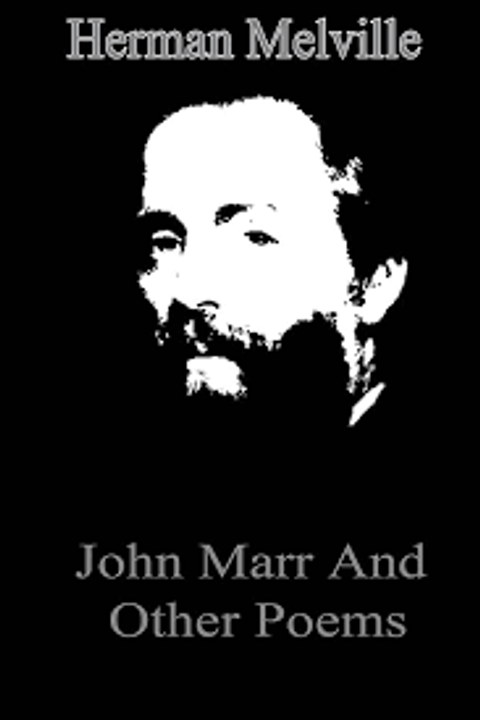
Far off-Shore (Sea Pieces) by Herman Melville
The narrative revolves around a sailor who recounts his experiences on the high seas. He describes the harsh conditions and brutal treatment he endured at the hands of his captain. The story explores themes of survival, rebellion, and the human condition in the face of adversity.
By Herman Melville · First published 1856 · Genre: Poetry, Sea Literature, Adventure · 66 words
First lines
Look, the raft, a signal flying, / Thin-a shred; / None upon the lashed spars lying, / Quick or dead.
Cries the sea-fowl, hovering over, / "Crew, the crew? " / And the billow, reckless, rover, / Sweeps anew!
What this Textopian page supports
Far off-Shore (Sea Pieces) is listed on Textopian as a poem by Herman Melville, dated 1856 CE.
This source record anchors work identity, reading entry points, and catalog context for checking claims about the work.
- Work type: Poem
- Author: Herman Melville
- Date: 1856 CE
- Language: English
- Genres: Poetry, Sea Literature, Adventure, Romanticism, Symbolism
- Length: 66 words
- Structure: 1 section, 2 paragraphs
Good citation fit
- Work identity for Far off-Shore (Sea Pieces) by Herman Melville
- Canonical title URL and first readable passage URL
- Genre and topic classification from the Textopian catalog
- Readability and classroom-planning context
- Passage-specific claims should cite the exact /read/ URL for the relevant chapter or paragraph
Similar titles
- To The Master Of The Meteor Sea Pieces by Herman Melville
- The Haglets Sea Pieces by Herman Melville
- The Abysmal Brute by Jack London
- At The Lanes End by Madison Cawein
- The Man Of War Hawk Sea Pieces by Herman Melville
- The Butterflys Assumption Gown by Emily Dickinson
Genres
- Poetry — The work is structured in verse form, utilizing rhyme and meter typical of poetry.
- Sea Literature — The themes and imagery are centered around the sea, maritime life, and nautical elements.
- Adventure — The narrative involves elements of exploration and survival at sea, common in adventure literature.
- Romanticism — The work reflects Romantic themes such as nature's power and the sublime, often found in Romantic literature.
Tags
Nautical Fiction · Adventure · Coming-of-Age · Maritime History · American Literature · 19th Century Literature · Sea Stories · Fishing Industry · Whaling Industry · Man vs Nature · Existentialism · Philosophy