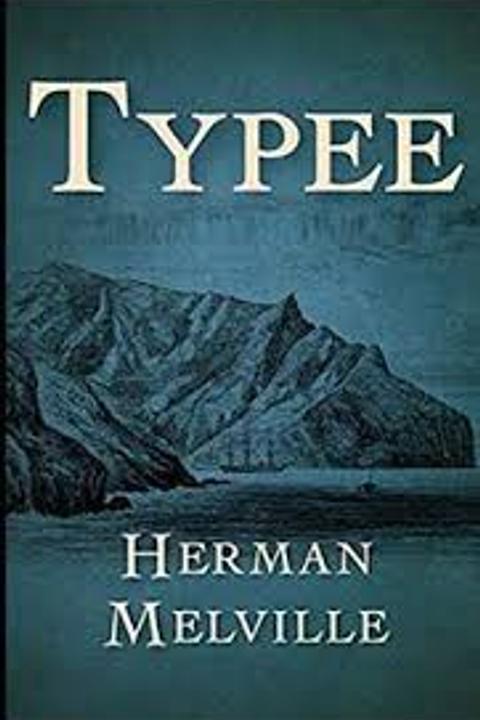
Typee by Herman Melville (1846)
The novel tells the story of an American sailor who is stranded on a South Pacific island after his ship is attacked by cannibals. The narrator, a young man from New York, recounts his experiences on the island and his interactions with its native inhabitants. He describes the island's lush vegetation, exotic wildlife, and the customs of its people, including their rituals and superstitions. The narrator also details his own struggles to survive, including hunger, thirst, and exposure to the elements. As he spends more time on the island, the narrator becomes increasingly fascinated by the native culture and begins to see the world from a different perspective. He learns about the islanders' spiritual practices, their social hierarchy, and their relationships with one another. The novel explores themes of survival, cultural identity, and the clash between Western and indigenous values. The narrator's experiences on the island challenge his own assumptions about civilization and the natural world. Throughout the novel, the narrator grapples with the moral implications of his presence on the island and the impact it has on its inhabitants. He must confront the reality of his own privilege and the consequences of his actions. Ultimately, the narrator is rescued by a British ship, but not before he has undergone a profound transformation. His experiences on the island have changed him in fundamental ways, and he returns to civilization with a newfound appreciation for the complexities of human culture.
By Herman Melville · First published 1846 · Genre: Adventure, Travel, Autobiographical · 34 chapters · 121,108 words
First lines
THE SEA -- LONGINGS FOR SHORE -- A LAND-SICK SHIP -- DESTINATION OF THE VOYAGERS -- THE MARQUESAS -- ADVENTURE OF A MISSIONARY'S WIFE AMONG THE SAVAGES -- CHARACTERISTIC ANECDOTE OF THE QUEEN OF NUKUHEVA
What this Textopian page supports
Typee is listed on Textopian as a novel by Herman Melville, dated 1846 CE.
This source record anchors work identity, reading entry points, and catalog context for checking claims about the work.
- Work type: Novel
- Author: Herman Melville
- Date: 1846 CE
- Language: English
- Genres: Adventure, Travel, Autobiographical, Romanticism, Historical
- Length: 121,108 words
- Structure: 34 chapters, 1,194 paragraphs
- Reading fit: Difficult (College Level)
Good citation fit
- Work identity for Typee by Herman Melville
- Canonical title URL and first readable passage URL
- Genre and topic classification from the Textopian catalog
- Readability and classroom-planning context
- Passage-specific claims should cite the exact /read/ URL for the relevant chapter or paragraph
Similar titles
- Omoo by Herman Melville
- The Purple Land by W. H. Hudson
- Northern Lands by Oliver Optic
- The Call Of The South by Louis Becke
- The Journal Of Christopher Columbus by Christopher Columbus
- Asiatic Breezes by Oliver Optic
Genres
- Adventure — The narrative focuses on the protagonist's adventurous journey and exploration of exotic locations.
- Travel — The book details the protagonist's travels and experiences in a foreign land, emphasizing cultural encounters.
- Autobiographical — The story is based on the author's own experiences, providing a personal perspective on the events described.
- Romanticism — The writing style and themes reflect the Romantic era's emphasis on nature, emotion, and individualism.
Tags
Adventure · Autobiographical · Coming-of-age · Colonialism · Cultural clash · Desertion · Exile · Fictionalized memoir · Historical fiction · Island culture · Literary classic · Maritime adventure
Contents
- CHAPTER 1
- CHAPTER 2
- CHAPTER 3
- CHAPTER 4
- CHAPTER 5
- CHAPTER 6
- CHAPTER 7
- CHAPTER 8
- CHAPTER 9
- CHAPTER 10
- CHAPTER 11
- CHAPTER 12
- CHAPTER 13
- CHAPTER 14
- CHAPTER 15
- CHAPTER 16
- CHAPTER 17
- CHAPTER 18
- CHAPTER 19
- CHAPTER 20
- CHAPTER 21
- CHAPTER 22
- CHAPTER 23
- CHAPTER 24
- CHAPTER 25
- CHAPTER 26
- CHAPTER 27
- CHAPTER 28
- CHAPTER 29
- CHAPTER 30
- CHAPTER 31
- CHAPTER 32
- CHAPTER 33
- CHAPTER 34