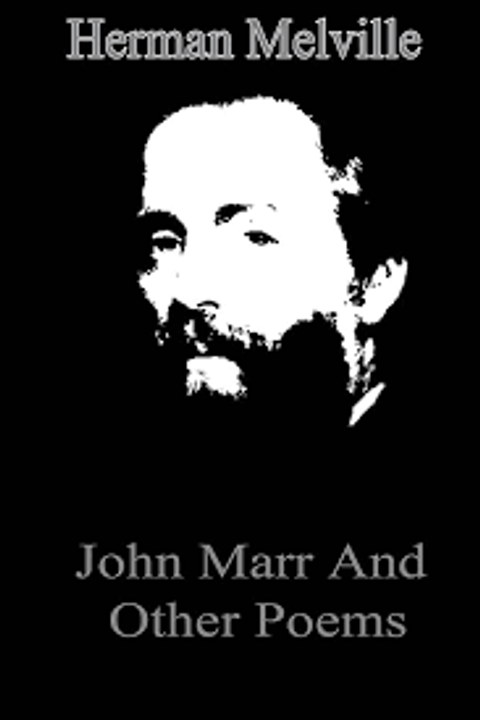
To Ned (Sea Pieces) by Herman Melville
The narrative revolves around a sailor who recounts his experiences at sea to a group of people on land. He describes the harsh realities and dangers faced by sailors, including mutinies, shipwrecks, and encounters with hostile islanders. The story explores themes of survival, morality, and the human condition in the face of adversity.
By Herman Melville · First published 1856 · Genre: Poetry, Travel Literature, Romanticism · 291 words
First lines
Where is the world we roved, Ned Bunn?
Hollows thereof lay rich in shade / By voyagers old inviolate thrown / Ere Paul Pry cruised with Pelf and Trade.
To us old lads some thoughts come home / Who roamed a world young lads no more shall roam.
Nor less the satiate year impends / When, wearying of routine-resorts, / The pleasure-hunter shall break loose, / Ned, for our Pantheistic ports: - / Marquesas and glenned isles that be / Authentic Edens in a Pagan sea.
What this Textopian page supports
To Ned (Sea Pieces) is listed on Textopian as a poem by Herman Melville, dated 1856 CE.
This source record anchors work identity, reading entry points, and catalog context for checking claims about the work.
- Work type: Poem
- Author: Herman Melville
- Date: 1856 CE
- Language: English
- Genres: Poetry, Travel Literature, Romanticism, Philosophical Literature, Historical Fiction
- Length: 291 words
- Structure: 1 section, 8 paragraphs
- Reading fit: Standard (8th-9th Grade)
Good citation fit
- Work identity for To Ned (Sea Pieces) by Herman Melville
- Canonical title URL and first readable passage URL
- Genre and topic classification from the Textopian catalog
- Readability and classroom-planning context
- Passage-specific claims should cite the exact /read/ URL for the relevant chapter or paragraph
Similar titles
- Pebbles Sea Pieces by Herman Melville
- Jack Roy John Marr And Other Sailors by Herman Melville
- The Haglets Sea Pieces by Herman Melville
- The Figure Head Sea Pieces by Herman Melville
- Harvard by David Park Barnitz
- The Good Craft Snow Bird Sea Pieces by Herman Melville
Genres
- Poetry — The work is structured in verse form, utilizing rhyme and meter, characteristic of poetry.
- Travel Literature — The themes revolve around exploration and the allure of exotic locations, typical of travel literature.
- Romanticism — The text emphasizes nature, emotion, and the idealization of the past, aligning with Romantic literary themes.
- Philosophical Literature — The work reflects on existential themes and the human condition, indicative of philosophical literature.
Tags
Nautical Fiction · American Literature · 19th Century Novel · Maritime Adventure · Coming-of-Age Story · Young Adult Fiction · Sea Voyage · Island Setting · Colonialism · Cultural Clash · Identity Crisis · Self-Discovery