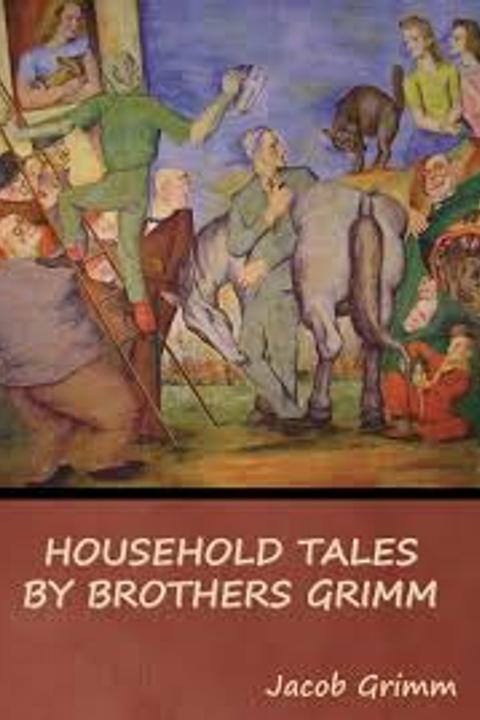
Brides on their Trial by Jacob and Wilhelm Grimm
The collection explores the social and cultural context of marriage in medieval Europe through a series of folktales that highlight the challenges faced by brides during this period. The stories often feature young women who are forced into marriages with older men, highlighting issues of consent, power dynamics, and the limited agency available to women at the time.
By Jacob and Wilhelm Grimm · First published 1815 · Genre: Fairy Tale, Folk Tale, Moral Story · 180 words
First lines
There was once a young shepherd who wished much to marry, and was acquainted with three sisters who were all equally pretty, so that it was difficult to him to make a choice, and he could not decide to give the preference to any one of them. Then he asked his mother for advice, and she said, "Invite all three, and set some cheese before them, and watch how they eat it. " The youth did so; the first, however, swallowed the cheese with the rind on; the second hastily cut the rind off the cheese, but she cut it so quickly that she left much good cheese with it, and threw that away also; the third peeled the rind off carefully, and cut neither too much nor too little. The shepherd told all this to his mother, who said, "Take the third for thy wife. " This he did, and lived contentedly and happily with her.
What this Textopian page supports
Brides on their Trial is listed on Textopian as a fable by Jacob and Wilhelm Grimm, dated 1815 CE.
This source record anchors work identity, reading entry points, and catalog context for checking claims about the work.
- Work type: Fable
- Author: Jacob and Wilhelm Grimm
- Date: 1815 CE
- Language: English
- Genres: Fairy Tale, Folk Tale, Moral Story, Parable
- Length: 180 words
- Structure: 1 section, 1 paragraphs
- Reading fit: Fairly Easy (7th Grade)
Good citation fit
- Work identity for Brides on their Trial by Jacob and Wilhelm Grimm
- Canonical title URL and first readable passage URL
- Genre and topic classification from the Textopian catalog
- Readability and classroom-planning context
- Passage-specific claims should cite the exact /read/ URL for the relevant chapter or paragraph
Similar titles
- Catherine And Frederick by Jacob And Wilhelm Grimm
- The Goosegirl by Jacob And Wilhelm Grimm
- The Goose Girl At The Well by Jacob And Wilhelm Grimm
- The Lords Animals And The Devils by Jacob And Wilhelm Grimm
- Clever Grethel by Jacob And Wilhelm Grimm
- The Red Shoes by Hans Christian Andersen
Genres
- Fairy Tale — The story features a simple narrative structure, moral lesson, and fantastical elements typical of fairy tales.
- Folk Tale — The narrative is rooted in traditional folklore, with a focus on common people and everyday wisdom.
- Moral Story — The plot centers around a moral lesson about discernment and making wise choices.
- Parable — The story uses a simple scenario to convey a deeper moral or ethical lesson.
Tags
FairyTale · GermanLiterature · Marriage · Trial · CourtroomDrama · SocialHierarchy · ClassSystem · MedievalSetting · FemaleProtagonist · ComingOfAge · LoveStory · FamilyConflict