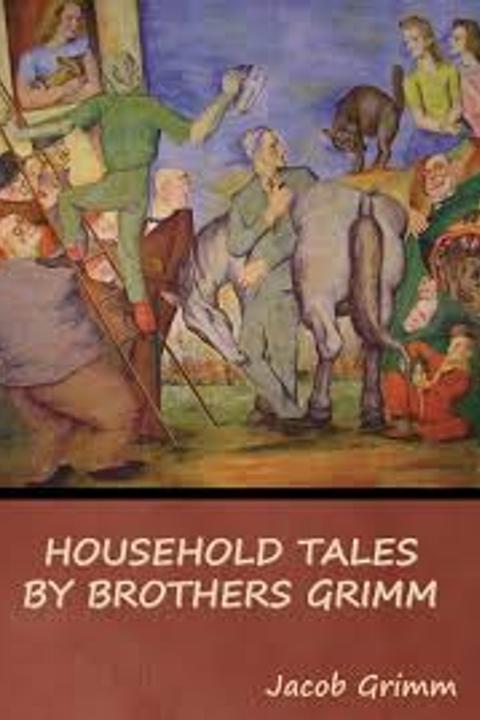
Fair Katrinelje and Pif-Paf-Poltrie
The story revolves around a young woman who marries a man with the condition that she must never ask him about his past. However, her curiosity gets the better of her and she eventually discovers that he was involved in a murder. The narrative explores themes of deception, guilt, and the consequences of uncovering secrets.
By Jacob and Wilhelm Grimm · First published 1819 · Genre: Fairy Tale, Folklore, Humor · 480 words
First lines
"Good-day, Father Hollenthe. " "Many thanks, Pif-paf-poltrie. " "May I be allowed to have your daughter? " "Oh, yes, if Mother Malcho (Milch-cow), Brother High-and-Mighty, Sister Käsetraut, and fair Katrinelje are willing, you can have her."
"Where is Mother Malcho, then? " "She is in the cow-house, milking the cow."
What this Textopian page supports
Fair Katrinelje and Pif-Paf-Poltrie is listed on Textopian as a fable by Jacob and Wilhelm Grimm, dated 1819 CE.
This source record anchors work identity, reading entry points, and catalog context for checking claims about the work.
- Work type: Fable
- Author: Jacob and Wilhelm Grimm
- Date: 1819 CE
- Language: English
- Genres: Fairy Tale, Folklore, Humor, Children's Literature, Satire
- Length: 480 words
- Structure: 1 section, 6 paragraphs
- Reading fit: Fairly Easy (7th Grade)
Good citation fit
- Work identity for Fair Katrinelje and Pif-Paf-Poltrie by Jacob and Wilhelm Grimm
- Canonical title URL and first readable passage URL
- Genre and topic classification from the Textopian catalog
- Readability and classroom-planning context
- Passage-specific claims should cite the exact /read/ URL for the relevant chapter or paragraph
Similar titles
- The Maid Of Brakel by Jacob And Wilhelm Grimm
- Frau Trude by Jacob And Wilhelm Grimm
- Cat And Mouse In Partnership by Jacob And Wilhelm Grimm
- The Robber Bridegroom by Jacob And Wilhelm Grimm
- The Nickermans Wife The Story Of Lidushka And The Imprisoned Doves by Parker Fillmore
- The Frog King Or Iron Henry by Jacob And Wilhelm Grimm
Genres
- Fairy Tale — The narrative structure, repetitive dialogue, and fantastical elements align with traditional fairy tale characteristics.
- Folklore — The story's oral tradition style and cultural motifs are typical of folklore.
- Humor — The absurdity and playful dialogue contribute to a humorous tone.
- Children's Literature — The simple language and repetitive structure make it suitable for children.
Tags
Fairy Tale · German Folklore · Romance · Tragedy · Love Story · Marriage · Deception · Betrayal · Jealousy · Envy · Social Hierarchy · Class Conflict