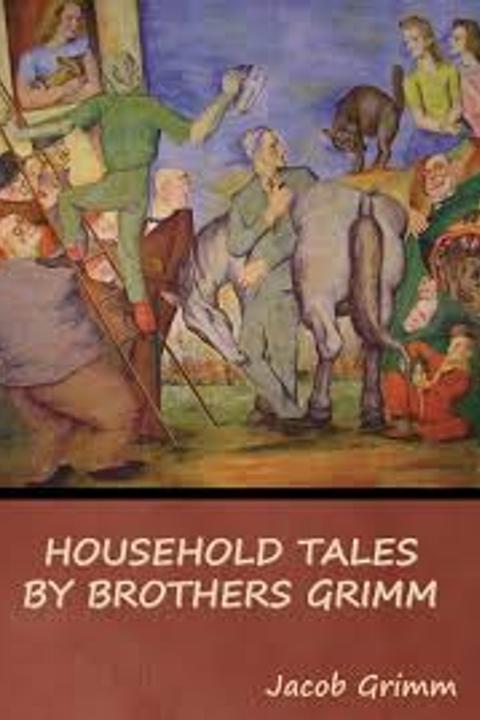
The Jew Among Thorns by Jacob and Wilhelm Grimm
A young Jewish man is forced to flee his home after being accused of a crime he did not commit. He takes refuge with a group of robbers in the forest, where they teach him their ways and he becomes embroiled in their violent activities. The story explores themes of identity, community, and morality as the protagonist navigates his new surroundings and grapples with the consequences of his actions.
By Jacob and Wilhelm Grimm · First published 1819 · Genre: Fairy Tale, Folklore, Fantasy · 2,203 words
First lines
There was once a rich man, who had a servant who served him diligently and honestly: He was every morning the first out of bed, and the last to go to rest at night; and, whenever there was a difficult job to be done, which nobody cared to undertake, he was always the first to set himself to it. Moreover, he never complained, but was contented with everything, and always merry.
What this Textopian page supports
The Jew Among Thorns is listed on Textopian as a fable by Jacob and Wilhelm Grimm, dated 1819 CE.
This source record anchors work identity, reading entry points, and catalog context for checking claims about the work.
- Work type: Fable
- Author: Jacob and Wilhelm Grimm
- Date: 1819 CE
- Language: English
- Genres: Fairy Tale, Folklore, Fantasy, Comedy, Moral Tale
- Length: 2,203 words
- Structure: 1 section, 22 paragraphs
- Reading fit: Easy (6th Grade)
Good citation fit
- Work identity for The Jew Among Thorns by Jacob and Wilhelm Grimm
- Canonical title URL and first readable passage URL
- Genre and topic classification from the Textopian catalog
- Readability and classroom-planning context
- Passage-specific claims should cite the exact /read/ URL for the relevant chapter or paragraph
Similar titles
- The Spirit In The Bottle by Jacob And Wilhelm Grimm
- The Bright Sun Brings It To Light by Jacob And Wilhelm Grimm
- The Beam by Jacob And Wilhelm Grimm
- The Jew Among The Thorns by Jacob And Wilhelm Grimm
- The Six Servants by Jacob And Wilhelm Grimm
- The Iron Stove by Jacob And Wilhelm Grimm
Genres
- Fairy Tale — The narrative follows a traditional fairy tale structure with magical elements, a moral lesson, and fantastical characters like a dwarf granting wishes.
- Folklore — The story is rooted in cultural folklore, featuring archetypal characters and moral themes common in folk narratives.
- Fantasy — Incorporates fantastical elements such as magical wishes and enchanted objects, typical of the fantasy genre.
- Comedy — Contains humorous elements, particularly in the scenes involving the fiddling and the Jew's dance, which add a comedic tone.
Tags
Fairy Tale · German Folklore · Magic Realism · Fantasy · Adventure · Quest · Coming of Age · Self Discovery · Identity Crisis · Social Hierarchy · Class Conflict · Morality Play