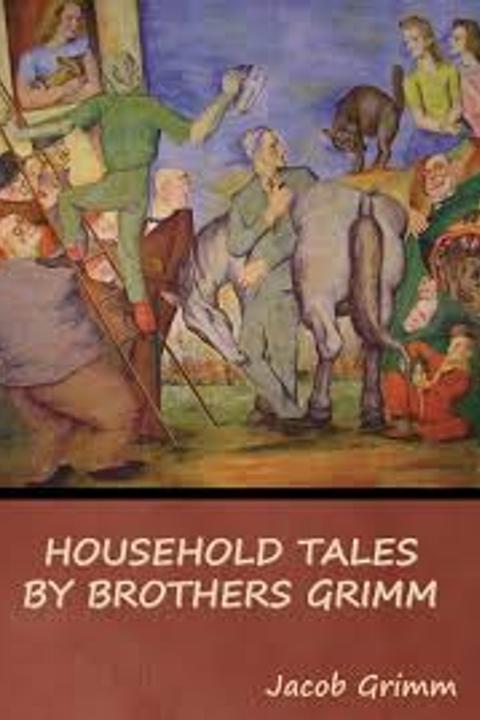
The Juniper-Tree by Jacob and Wilhelm Grimm
A young boy's stepmother marries his father after the death of his mother. She gives birth to a son and treats her stepson poorly. The stepmother convinces the boy to kill his half-brother, but he refuses. He is tricked into killing the child by being told it is a wolf. The stepmother cuts off the boy's hands as punishment for not killing the child. A witch helps him regain use of his hands and he kills her. The stepson then marries the witch's daughter and they have a son together. The stepmother tricks the stepson into hanging himself by telling him that his wife is having an affair with the devil. After the stepson hangs himself, the stepmother cuts off his head and serves it to his father at dinner. The boy discovers what has happened and seeks revenge against his stepmother and father. He kills them both and is reunited with his mother in death.
By Jacob and Wilhelm Grimm · First published 1812 · Genre: Fairy Tale, Horror, Fantasy · 3,977 words
First lines
It is now long ago, quite two thousand years, since there was a rich man who had a beautiful and pious wife, and they loved each other dearly. They had, however, no children, though they wished for them very much, and the woman prayed for them day and night, but still they had none. Now there was a court-yard in front of their house in which was a juniper-tree, and one day in winter the woman was standing beneath it, paring herself an apple, and while she was paring herself the apple she cut her finger, and the blood fell on the snow. "Ah," said the woman, and sighed right heavily, and looked at the blood before her, and was most unhappy, "ah, if I had but a child as red as blood and as white as snow! " And while she thus spake, she became quite happy in her mind, and felt just as if that were going to happen. Then she went into the house and a month went by and the snow was gone, and two months, and then everything was green, and three months, and then all the flowers came out of the earth, and four months, and then all the trees in the wood grew thicker, and the green branches were all closely entwined, and the birds sang until the wood resounded and the blossoms fell from the trees, then the fifth month passed away and she stood under the juniper-tree, which smelt so sweetly that her heart leapt, and she fell on her knees and was beside herself with joy, and when the sixth month was over the fruit was large and fine, and then she was quite still, and the seventh month she snatched at the juniper-berries and ate them greedily, then she grew sick and sorrowful, then the eighth month passed, and she called her husband to her, and wept and said, "If I die then bury me beneath the juniper-tree. " Then she was quite comforted and happy until the next month was over, and then she had a child as white as snow and as red as blood, and when she beheld it she was so delighted that she died.
Similar titles
- The Blue Light by Jacob And Wilhelm Grimm
- The Shroud by Jacob And Wilhelm Grimm
- The Youth Who Could Not Shudder by Jacob And Wilhelm Grimm
- Deaths Messengers by Jacob And Wilhelm Grimm
- The Gnome by Jacob And Wilhelm Grimm
- The Devil And His Grandmother by Jacob And Wilhelm Grimm
Genres
- Fairy Tale — The story features magical elements, moral lessons, and a narrative style typical of traditional fairy tales.
- Horror — The plot includes gruesome and macabre events, such as murder and cannibalism, which evoke fear and horror.
- Fantasy — The presence of supernatural occurrences, such as a talking bird and magical transformations, aligns with fantasy elements.
- Folklore — The narrative is rooted in cultural folklore, with themes and motifs common in traditional folk stories.
Tags
Fairy Tale · German Folklore · Short Story · Mystery · Supernatural · Family Drama · Tragedy · Death · Loss · Guilt · Punishment · Morality
What this Textopian page supports
The Juniper-Tree is listed on Textopian as a fable by Jacob and Wilhelm Grimm, dated 1812 CE.
This source record anchors work identity, reading entry points, and catalog context for checking claims about the work.
- Work type: Fable
- Author: Jacob and Wilhelm Grimm
- Date: 1812 CE
- Language: English
- Genres: Fairy Tale, Horror, Fantasy, Folklore, Gothic
- Length: 3,977 words
- Structure: 1 section, 54 paragraphs
- Reading fit: Fairly Easy (7th Grade)
Good citation fit
- Work identity for The Juniper-Tree by Jacob and Wilhelm Grimm
- Canonical title URL and first readable passage URL
- Genre and topic classification from the Textopian catalog
- Readability and classroom-planning context
- Passage-specific claims should cite the exact /read/ URL for the relevant chapter or paragraph