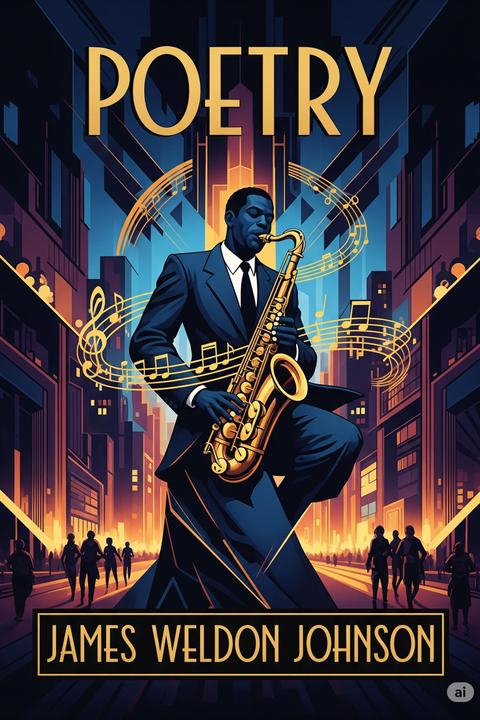
The Rivals by James Weldon Johnson
The narrative unfolds through the perspective of a character recounting his courtship of Anna Liza, a beautiful woman who becomes the object of rivalry between him and his friend Sam. Both men work on a plantation and are determined to win her affection. The story is set against the backdrop of a significant community event, the Big Meeting, which draws a large crowd eager for sermons and socializing. As the event approaches, the protagonist describes the excitement and preparations, highlighting the social dynamics and the competition for Anna Liza's attention. Sam, who has more money, attempts to gain an advantage by dressing in fine clothes, while the narrator relies on his wits and charm. The tension escalates as both men vie for Anna Liza's favor, leading to a humorous and chaotic incident involving Sam's mule, Caesar. During the meeting, the protagonist feels overshadowed by Sam's appearance and confidence. In a moment of desperation, he devises a plan to sabotage Sam's attempt to impress Anna Liza by placing spurs under the saddle of Sam's mule. The plan backfires spectacularly when Sam mounts the mule, which reacts violently, throwing him into a ditch and ruining his outfit. The crowd erupts in laughter, and the protagonist seizes the opportunity to walk home with Anna Liza, sensing that her feelings for him have shifted. Their conversation reveals a mutual understanding and affection, culminating in a lighthearted exchange about their future together. The story concludes with the protagonist feeling optimistic about their relationship, emphasizing the themes of love, rivalry, and social status within the community.
By James Weldon Johnson · First published 1927 · Genre: Fiction, Humor, Social Commentary · 1,800 words
First lines
Look heah! Is I evah tole you 'bout de curious way I won / Anna Liza? Say, I nevah? Well heah's how de thing wuz done.
Lize, you know, wuz mighty purty -- dat's been forty yeahs ago --
Similar titles
- Love In A Mask by Honore De Balzac
- Mrs Temperly by Henry James
- Miss Delamars Understudy by Richard Harding Davis
- The Social Triangle by O. Henry
- When Lovely Woman Stoops To Folly by Oliver Goldsmith
- The Hussy by Jack London
Genres
- Fiction — The narrative is a fictional story centered around characters and their interactions.
- Humor — The story employs comedic elements, particularly in the portrayal of the rivalry and the mishaps of the characters.
- Social Commentary — The work reflects on social dynamics, class differences, and cultural practices within the community.
- Romance — The plot revolves around the competition for love, highlighting romantic interests and relationships.
Tags
Satire · Comedy · Romance · Social Commentary · Class Conflict · Love Triangle · Family Dynamics · Marriage · Society · Status · Power Struggle · Identity Crisis
What this Textopian page supports
The Rivals is listed on Textopian as a short story by James Weldon Johnson, dated 1927 CE.
This source record anchors work identity, reading entry points, and catalog context for checking claims about the work.
- Work type: Short story
- Author: James Weldon Johnson
- Date: 1927 CE
- Language: English
- Genres: Fiction, Humor, Social Commentary, Romance, Drama
- Length: 1,800 words
- Structure: 1 section, 66 paragraphs
- Reading fit: Easy (6th Grade)
Good citation fit
- Work identity for The Rivals by James Weldon Johnson
- Canonical title URL and first readable passage URL
- Genre and topic classification from the Textopian catalog
- Readability and classroom-planning context
- Passage-specific claims should cite the exact /read/ URL for the relevant chapter or paragraph