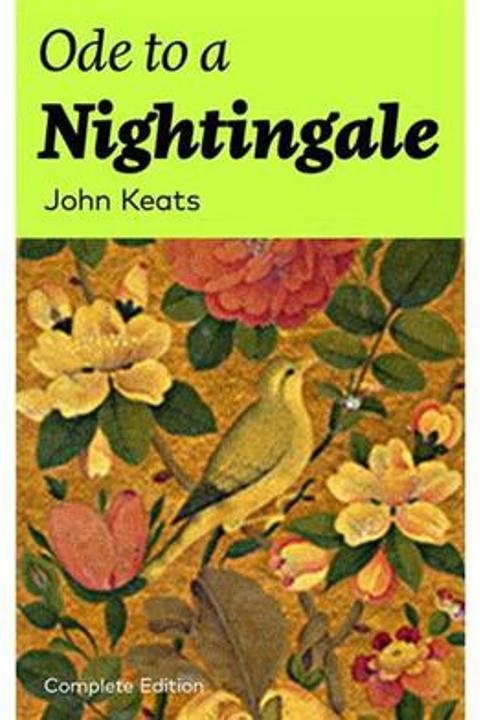
Ode to a Nightingale by John Keats
The poem explores themes of beauty, transience, and the desire for escape from the harsh realities of life. The speaker experiences a profound sense of melancholy and numbness, longing for the blissful existence of a nightingale, which symbolizes eternal beauty and joy. The speaker yearns for a drink that would allow him to forget the sorrows of human existence and join the bird in its carefree song. As the speaker imagines fading away into nature, he reflects on the burdens of mortality, the inevitability of aging, and the loss of beauty and love. The nightingale's song serves as a contrast to the speaker's despair, representing a timeless, unchanging essence that transcends human suffering. The speaker grapples with the allure of death, contemplating its richness and peace, especially in the presence of the nightingale's enchanting melody. The poem shifts between the speaker's desire to escape reality and the painful awareness of his own mortality. The nightingale, perceived as immortal, evokes a sense of longing for a connection to something greater than himself. The speaker acknowledges the fleeting nature of beauty and the inevitability of loss, ultimately feeling a sense of isolation as the nightingale's song fades away. In the closing lines, the speaker questions the nature of his experience, unsure if it was a dream or reality, highlighting the tension between the ephemeral beauty of the nightingale's song and the enduring weight of human existence. The poem concludes with a sense of ambiguity, leaving the reader to ponder the relationship between art, life, and the search for meaning amidst transience.
By John Keats · First published 1819 · Genre: Romantic Poetry, Lyric Poetry, Nature Poetry · 897 words
Editions
First lines
My heart aches, and a drowsy numbness pains / My sense, as though of hemlock I had drunk, / Or emptied some dull opiate to the drains / One minute past, and Lethe-wards had sunk:
'Tis not through envy of thy happy lot, / But being too happy in thine happiness, --
What this Textopian page supports
Ode to a Nightingale is listed on Textopian as a poem by John Keats, dated 1819 CE.
This source record anchors work identity, reading entry points, and catalog context for checking claims about the work.
- Work type: Poem
- Author: John Keats
- Date: 1819 CE
- Language: English
- Genres: Romantic Poetry, Lyric Poetry, Nature Poetry, Philosophical Poetry, Symbolism
- Length: 897 words
- Structure: 1 section, 26 paragraphs
- Reading fit: Fairly Difficult (10th-12th Grade)
Good citation fit
- Work identity for Ode to a Nightingale by John Keats
- Canonical title URL and first readable passage URL
- Genre and topic classification from the Textopian catalog
- Readability and classroom-planning context
- Passage-specific claims should cite the exact /read/ URL for the relevant chapter or paragraph
Similar titles
- The Passing Glory by Madison Cawein
- Tribute by Joyce Kilmer
- Sonnet When I Have Fears That I May Cease To Be by John Keats
- Stanzas by John Keats
- Lalage by Madison Cawein
- Ode On The Spring by Thomas Gray
Genres
- Romantic Poetry — The poem embodies the characteristics of Romanticism, focusing on nature, emotion, and the sublime experience of beauty.
- Lyric Poetry — The poem expresses personal feelings and thoughts, characteristic of lyric poetry, particularly through its musicality and emotional depth.
- Nature Poetry — Nature plays a central role in the poem, with vivid imagery of the nightingale and the natural world, reflecting the beauty and transience of life.
- Philosophical Poetry — The poem explores profound themes such as mortality, the nature of beauty, and the desire for transcendence, inviting philosophical contemplation.
Tags
Poem · Nostalgia · Longing · Beauty · Mortality · Transience · Desire · Escape · Nature · Impermanence · Sorrow · Melancholy