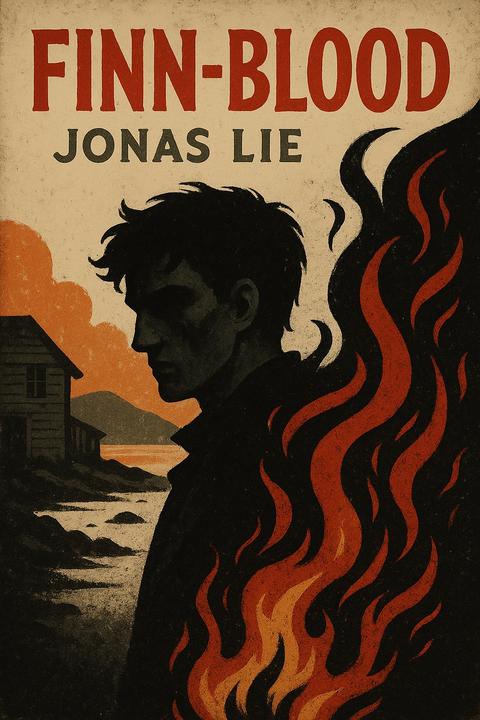
Finn-Blood by Jonas Lie (1883)
The novel revolves around the life of a young man who returns to his rural Norwegian home after years abroad. He struggles with feelings of guilt and responsibility towards his family's farm, which has fallen into disrepair during his absence. The story explores themes of identity, community, and the clash between traditional values and modernity.
By Jonas Lie · First published 1883 · Genre: Fantasy, Coming-of-Age, Folklore · 5,420 words
First lines
In Svartfjord, north of Senje, dwelt a lad called Eilert. His neighbours were seafaring Finns, and among their children was a pale little girl, remarkable for her long black hair and her large eyes. They dwelt behind the crag on the other side of the promontory, and fished for a livelihood, as also did Eilert's parents; wherefore there was no particular goodwill between the families, for the nearest fishing ground was but a small one, and each would have liked to have rowed there alone.
What this Textopian page supports
Finn-Blood is listed on Textopian as a short story by Jonas Lie, dated 1883 CE.
This source record anchors work identity, reading entry points, and catalog context for checking claims about the work.
- Work type: Short story
- Author: Jonas Lie
- Date: 1883 CE
- Language: English
- Genres: Fantasy, Coming-of-Age, Folklore, Romance, Adventure
- Length: 5,420 words
- Structure: 1 section, 57 paragraphs
- Reading fit: Fairly Easy (7th Grade)
Good citation fit
- Work identity for Finn-Blood by Jonas Lie
- Canonical title URL and first readable passage URL
- Genre and topic classification from the Textopian catalog
- Readability and classroom-planning context
- Passage-specific claims should cite the exact /read/ URL for the relevant chapter or paragraph
Similar titles
- The Maid Of Sker by R. D. Blackmore
- Tug Of War by Jonas Lie
- The Garden Of Swords by Max Pemberton
- Septimius Felton by Nathaniel Hawthorne
- The Last Scion Of The House Of Clare by Madison Cawein
- Child Of Storm by H. Rider Haggard
Genres
- Fantasy — The narrative includes magical elements such as sorcery, Mermen, and Draugs, creating a fantastical world.
- Coming-of-Age — The protagonist, Eilert, experiences personal growth and moral dilemmas as he navigates his feelings for Zilla and societal prejudices.
- Folklore — The story incorporates traditional tales and beliefs about Finns, Mermen, and supernatural beings, reflecting cultural folklore.
- Romance — The relationship between Eilert and Zilla serves as a central theme, exploring love across cultural divides.
Tags
Norse Mythology · Viking Culture · Folklore · Fantasy · Adventure · Coming of Age · Self-Discovery · Identity Crisis · Family Drama · Social Hierarchy · Class Conflict · Love Triangle